Blog
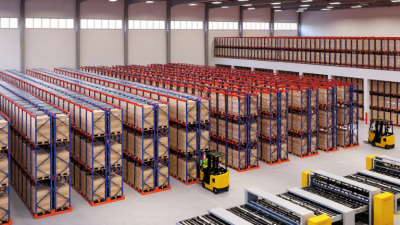
Top 10 Types of Pallet Storage Racks for Warehouses
Warehouse space is becoming more valuable, while product variety keeps expanding. Pallet Storage Racks offer a practical way to use vertical space, improve stock visibility, and support safer material movement. Yet one rack design cannot solve every warehouse problem.
The MHI Annual Industry Report 2024 identifies continued investment in supply chain technology and warehouse modernization. Its findings reflect a clear operational pressure: companies need faster, more flexible, and more measurable storage systems. The 2024 Logistics Managers’ Index also reported sustained concern about warehousing capacity and utilization. These trends make rack selection a business decision, not merely a purchasing task.
Small details matter. A selective rack may provide direct access to every pallet, while drive-in storage can increase density for uniform products. Pallet flow racks may support FIFO rotation, but they require accurate loading and maintenance. Cantilever racks suit long materials, not standard cartons. Warehouse managers must examine pallet dimensions, load weights, aisle widths, forklift turning radii, inventory velocity, and building height before choosing a system.
Safety comes first.
This guide reviews ten common types of Pallet Storage Racks, including selective, double-deep, push-back, pallet flow, drive-in, drive-through, cantilever, mobile, shuttle, and mezzanine-supported solutions. The comparison draws on practical warehouse planning principles, manufacturer specifications, and guidance from organizations such as OSHA and the Rack Manufacturers Institute. Still, specifications vary between suppliers. Even experienced teams can overlook floor conditions or future SKU growth. A careful review, site measurement, and professional structural assessment remain essential before installation.
Read more »
 By:Seraphina
- October 24, 2026
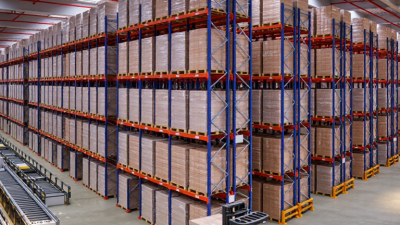
2026 Best Pallet Rack Systems for Global Warehouses?
Choosing the right storage structure can shape a warehouse’s safety, speed, and long-term operating cost. In 2026, global warehouses face tighter floor plans, varied inventory, and rising pressure for faster order fulfillment. Pallet Rack Systems must therefore support more than simple pallet storage.
This guide examines leading Pallet Rack Systems for different warehouse conditions, including selective, drive-in, push-back, pallet flow, and automated configurations. Each option has practical strengths and limitations. Selective racks provide direct access, while high-density systems use space more efficiently. Automated designs can improve throughput, but they demand stronger planning, maintenance, and staff training.
Real warehouse decisions often begin with small details. A damaged upright can affect an entire bay. Uneven floors can complicate installation. Forklift turning space may matter more than advertised capacity. Load weight, pallet dimensions, seismic conditions, fire protection, and local safety requirements also deserve careful review. These factors should be verified with qualified engineers, suppliers, and competent inspection teams.
No ranking is perfect. A system that performs well in a European distribution center may not suit a humid coastal facility or a rapidly changing Asian fulfillment hub. Recommendations may also require revision as product sizes, labor patterns, and technology change. The most reliable choice balances tested performance, transparent specifications, service support, and realistic warehouse behavior. Look beyond impressive capacity figures. Measure daily movement, aisle discipline, inspection routines, and future expansion before making a final decision.
Read more »
By:Seraphina
- October 15, 2026
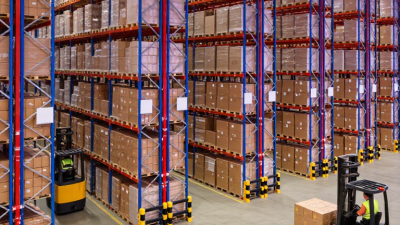
7 Tips for Choosing a Pallet Storage Racking System
Choosing the right Pallet Storage Racking System is not simply a matter of filling empty warehouse space. It affects picking speed, product protection, labor movement, and long-term operating costs. A rack may look strong and efficient on a drawing, yet create bottlenecks when forklifts turn with heavy loads. That uncomfortable gap deserves attention.
The MHI 2024 Annual Industry Report found that 55% of supply chain leaders were increasing investment in technology and innovation. This trend reflects a wider need for warehouses to improve capacity without sacrificing visibility or safety. However, automation cannot correct poor rack selection. A practical system must match pallet dimensions, load weights, turnover rates, aisle widths, ceiling height, and future inventory changes. Small details matter. Beam deflection, upright protection, floor conditions, and inspection access can influence daily performance.
These seven tips are designed around decisions warehouse teams commonly face during planning, installation, and expansion. They draw on material-handling practice, manufacturer guidance, and recognized rack-safety principles. The Rack Manufacturers Institute emphasizes proper design, installation, loading, and inspection because even minor damage can reduce structural reliability. Local building and fire requirements also deserve review before purchasing equipment.
There is no perfect layout. A system that saves space may slow retrieval, while a wider aisle may improve safety but reduce storage density. The best choice balances measurable capacity with real working conditions. Site measurements, operator feedback, and a careful cost comparison should guide the final decision. Mistakes happen, but undocumented assumptions make them harder to correct.
Read more »
 By:Elowen
- October 15, 2026
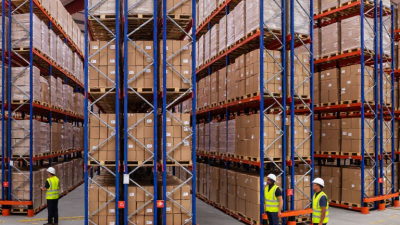
How to Choose the Right Pallet Racking System?
Choosing the right Pallet Racking system can transform a crowded warehouse into a safer, more predictable workspace. However, the best solution is rarely the tallest or cheapest option. It must match your inventory, building layout, handling equipment, and future growth.
Begin with the practical details. Measure clear ceiling height, floor condition, column locations, aisle width, and door access. Record each pallet’s weight, dimensions, turnover rate, and stacking requirements. A forklift may need wider aisles than a reach truck. That small difference can affect storage capacity significantly. Space matters.
Experienced warehouse planners also examine operating habits, not only product data. Fast-moving goods may need selective access near dispatch areas. Slow-moving stock could suit denser systems, such as drive-in or double-deep Pallet Racking. Manual picking requirements may call for different levels, decking, or safety accessories. The wrong design can create blocked aisles, damaged pallets, and unnecessary travel.
Reliable decisions should involve qualified racking professionals, equipment suppliers, and structural specialists. They can verify load capacity, frame configuration, anchoring, protection, and applicable safety standards. Do not rely on a catalog image alone. A quick spreadsheet helps, but it can hide uneven loads or future changes. That assumption fails. Review the design after testing a sample layout with real pallets and vehicles. A careful choice balances capacity, access, safety, installation cost, and long-term flexibility. Even an imperfect plan can improve when warehouse staff challenge its assumptions before installation.
Read more »
By:Seraphina
- October 15, 2026