Cold Storage Pallet Racking: How Global Logistics Engineers Maximize Cubic Density, Mitigate Sub-Zero Steel Embrittlement, and Slash Energy Costs
Operating a refrigerated or blast-freezer warehouse (-30°C to +4°C) involves the highest cost-per-cubic-meter in modern logistics. Every unutilized aisle represents thousands of wasted kilowatt-hours in refrigeration load. This comprehensive technical guide unpacks how high-density Cold Storage Pallet Racking systems—from semi-automated radio shuttles to specialized structural drive-in racks—eliminate thermal dead space, resist low-temperature ductile-to-brittle transition failures, and lower the Total Cost of Ownership (TCO) for enterprise cold chain operators worldwide.
Why Sub-Zero Pallet Racking Demands an Entirely Divergent Engineering Approach
Ambient distribution centers prioritize cheap floor access; cold-storage facilities prioritize cubic thermodynamics. In sub-zero logistics, your racking system is not mere shelving—it is a critical thermal and structural asset.
In a commercial cold room or deep-freeze facility operating from -18°C down to -30°C, air refrigeration consumes continuous electrical power. Conventional selective racking configurations dedicate up to 60% of floor area solely to forklift transit aisles. When every cubic meter costs between 3x to 5x more to cool and construct than ambient space, wide-aisle storage configurations create an unsustainable operating expense (OpEx) profile.
Beyond volumetric optimization, sub-zero storage subjects standard structural steel to the ductile-to-brittle transition phenomenon. Standard carbon steel (such as commercial Q235B) experiences a severe drop in Charpy V-notch impact toughness when temperatures fall below 0°C. Under repeated forklift bumper collisions, thermal shrinkage micro-strains, and dynamic pallet placement loads, standard ambient racking risks sudden, catastrophic brittle fracture rather than predictable ductile deformation.
Guangzhou Heda Shelves Co., Ltd. engineers cold storage pallet racking specifically to mitigate these risks. By employing micro-alloyed low-temperature carbon steels (such as Q355D and Q355E), calculating thermal expansion coefficients, and integrating high-density configurations, our structures endure the punishing realities of continuous cold chain fulfillment.
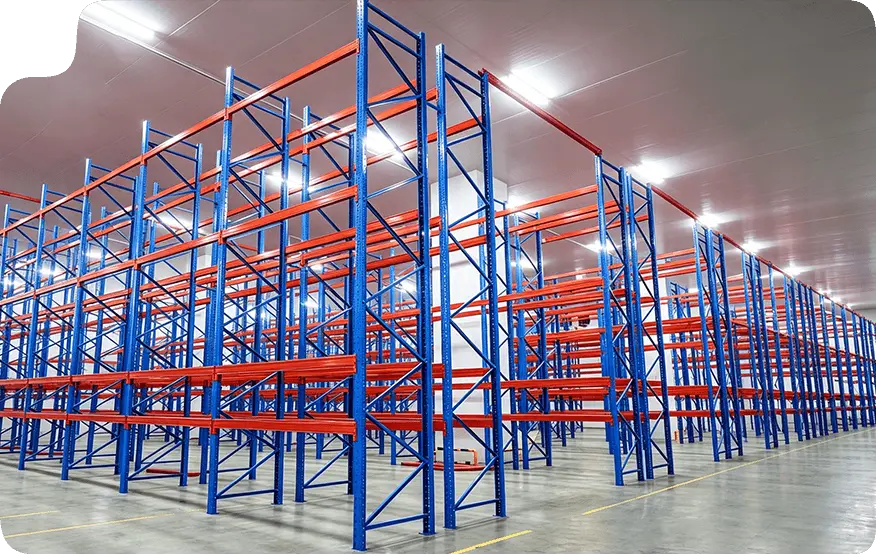
Cold Storage Pallet Racking Recommendations by Operational Intent
Selecting the optimal racking typology depends on throughput velocity, SKU homogeneity, pallet turnover rules (FIFO vs. LIFO), and working temperatures.
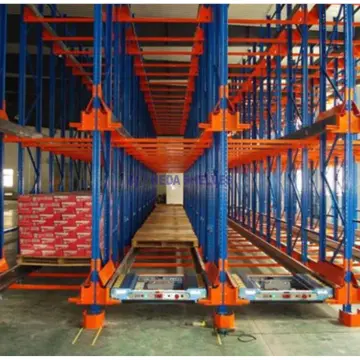
Radio Shuttle Racking
A semi-automated deep-lane solution where battery-powered shuttles transport pallets within internal rails. Forklifts remain outside cold tunnels, protecting truck batteries and operators from sub-zero shock.
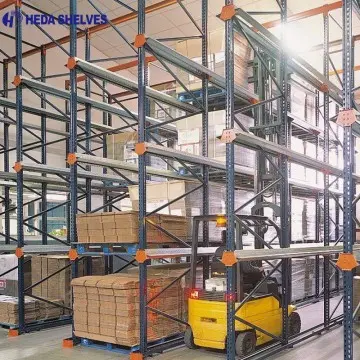
Drive-In / Drive-Thru
Ideal for large-batch, low-SKU frozen food and ice cream distribution. Forklifts enter continuous structural lanes to deposit pallets on heavy cantilevered rails. Eliminates operational access aisles.
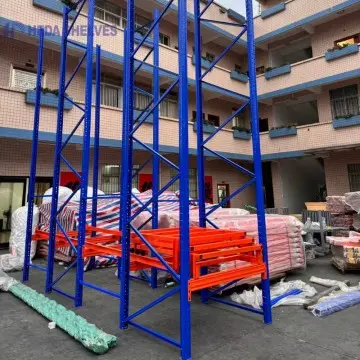
Push-Back Racking
Nested rolling carts operating on an inclined rail channel (2 to 6 pallets deep). Pallets are loaded and unloaded from a single aisle via gravity, offering higher selectivity than drive-in configurations.
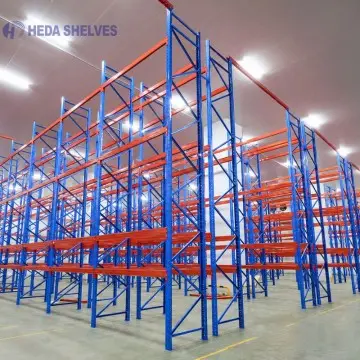
VNA / Double-Deep
Very Narrow Aisle (VNA) or Double-Deep configurations maximize vertical height up to 15 meters while minimizing aisle width, giving cold pharmaceutical and retail distribution instant access to every SKU.
| Racking System Type | Volumetric Efficiency | Stock Rotation | Forklift Sub-Zero Exposure | Ideal Temperature Band | Recommended Application |
|---|---|---|---|---|---|
| Radio Shuttle System | 80% – 88% | FIFO / LIFO Flexible | Zero (Forklift at aisle entry) | -30°C to +5°C | Meat, seafood, quick-frozen meals, multi-batch export |
| Drive-In Pallet Racks | 70% – 80% | Strict LIFO | High (Enters freezing tunnels) | -25°C to 0°C | Bulk single-SKU seasonal commodities, dairy storage |
| Push-Back Cart Racks | 65% – 75% | LIFO | Low (Aisle operation only) | -20°C to +4°C | Chilled fruit, pharmaceutical logistics, intermediate cross-docking |
| Double-Deep Selective | 55% – 65% | FILO / Modified FIFO | Moderate (Pantograph reach truck) | -18°C to +8°C | Fast-moving grocery distribution, third-party logistics (3PL) |
Metallurgy, Anti-Corrosion & Thermal Physics in Sub-Zero Racking
Designing structures for sub-zero operation requires stringent adherence to international structural standards such as FEM 10.2.02, EN 15512, and ANSI/RMI MH16.1. Guangzhou Heda Shelves Co., Ltd. incorporates vital engineering countermeasures into every system.
Sub-Zero Steel Grade Selection
Standard structural mild steels exhibit brittle behavior as temperatures plummet past freezing. For facilities operating below -10°C, Guangzhou Heda Shelves Co., Ltd. specifies high-strength low-alloy structural steels (Q355D and Q355E) with certified Charpy impact energy ratings at -20°C and -40°C. This ensures the steel absorbs forklift shocks without catastrophic fracture.
Hot-Dip Galvanizing vs. Low-Temp Powder
Condensation inside cold storage creates rust when ambient air enters through loading docks. We provide hot-dip galvanized finishes according to ISO 1461 (65–85 μm zinc thickness) for humid or meat processing environments, and specialized electrostatic polyurethane/epoxy powders designed to remain flexible and adhere strongly down to -30°C without micro-flaking.
Floor Slab Insulation & Frost Heave
Cold store floor slabs feature insulation membranes and underfloor heating grids to prevent soil freezing and frost heave. Racking anchor bolts must never penetrate this vapor insulation barrier. Our engineering team calculates widened baseplate footprints and specialized shallow seismic mechanical anchors that distribute point loads safely across the wearing slab.
Thermal Contraction & Dynamic Load Variations
Steel contracts as temperature drops (thermal expansion coefficient: approx. 12 × 10⁻⁶ /°C). In a 60-meter racking run erected at an ambient +25°C factory temp and brought down to -25°C, the rack shrinks by up to 36 mm. Guangzhou Heda Shelves Co., Ltd. incorporates slotted beam-connector designs and engineered expansion tolerances in run-spacers and aisle ties to avoid stress concentrations in upright joints.
Future Procurement & Technology Trends in Cold Storage Racking (2025–2035)
As energy costs fluctuate and cold chain perishables increase worldwide, enterprise cold store procurement is evolving from static steel racks to automated, climate-integrated ecosystems.
1. Shift Towards "Dark Store" High-Bay AS/RS and Clad-Rack Cold Buildings
Labor recruitment and safety regulations inside sub-zero chambers are becoming major operational barriers worldwide. Workers cannot safely operate beyond 30 to 45 consecutive minutes in -25°C freezers. Consequently, procurement is moving rapidly toward fully automated high-bay AS/RS (Automated Storage and Retrieval Systems) and "rack-supported clad buildings," where the racking structure itself forms the primary structural framework supporting the insulated sandwich panel walls and roof. This architecture reaches heights of 25 to 40 meters, reducing roof heat gain and electrical cooling loads by up to 40% compared to traditional low-rise structures.
2. Intelligent Low-Temperature LiFePO4 Lithium Shuttles with Thermal Induction
Early cold-store shuttle systems suffered from lead-acid and standard lithium battery voltage dropouts at sub-zero temperatures. Emerging radio shuttle fleets deployed by Guangzhou Heda Shelves Co., Ltd. feature heated battery housings, automatic inductive charging stations inside the cold bay, and continuous CAN bus diagnostics. These shuttles operate across continuous 24/7 cycles without requiring removal to ambient airlocks for recharging, eliminating condensation damage within electrical circuitry.
3. Decarbonization Pressures & Lifecycle Scope-3 Emissions Auditing
Global institutional developers (including cold storage REITs and multinational logistics providers) now require verifiable environmental disclosures. Procurement teams demand documented carbon footprints for heavy steel racks. Guangzhou Heda Shelves Co., Ltd. adopts electric-arc furnace (EAF) steel with recycled scrap content and non-toxic, VOC-free powder coating lines that meet stringent RoHS and ISO environmental management benchmarks.
4. Integrated IoT Deflection & Floor Slab Frost Monitoring
Next-generation cold racking incorporates passive strain gauge IoT sensors embedded in high-load lower upright columns and floor footings. These sensors provide real-time wireless alerts when ground shifting, subtle frost heave, or seismic micro-tremors alter column plumbness, allowing preventative maintenance before beam dislodgement occurs.
Why Global Cold Chain Operators Choose Guangzhou Heda Shelves Co., Ltd.
Established in 2001, Guangzhou Heda Shelves Co., Ltd. is a specialized manufacturer of heavy-duty pallet racking and warehouse storage systems with a 30,000 square meter modernized manufacturing base and an elite team of over 300 experienced engineers, project managers, and certified technicians.
Unlike trading intermediaries, we control every single phase of cold storage rack manufacturing in-house: high-precision coil uncoiling, CNC cold roll-forming, computerized column punching, robotized submerged welding, non-destructive weld testing, automated pickling, phosphating, and electrostatic powder coating. For sub-zero operations requiring heavy zinc armor, our audited hot-dip galvanizing partnerships deliver flawless adherence that satisfies ISO 1461.
- Certified Low-Temp SteelsQ355D / Q355E Charpy tested
- Free 3D & CAD LayoutsComprehensive cubic cold analysis
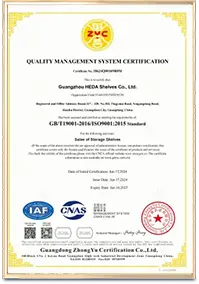
- CE & ISO 9001 CertifiedTraceable materials & batch testing
- Worldwide LogisticsExported to 120+ countries & regions
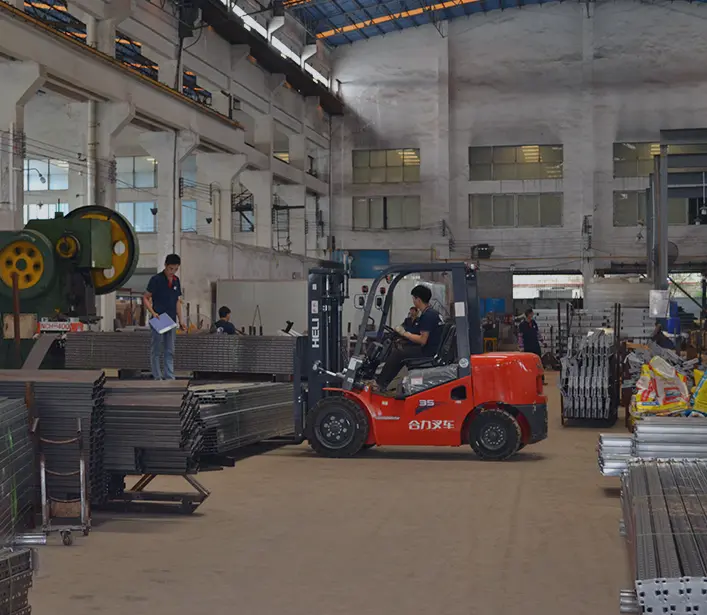
10-Step Quality Control for Sub-Zero Reliability
Every cold storage upright, load beam, and shuttle track passes through our certified production sequence to guarantee zero structural defect tolerance.
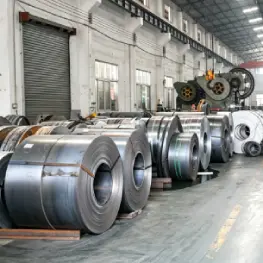
Raw Materials
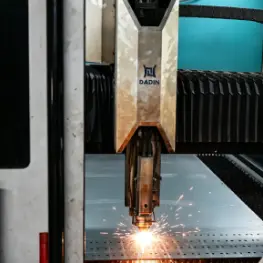
Precision Cutting
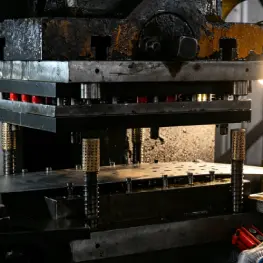
CNC Punching
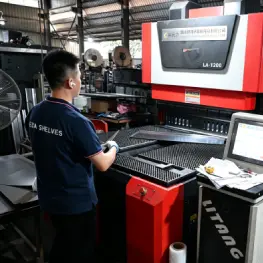
Cold Bending
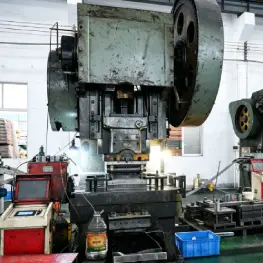
Roll Forming
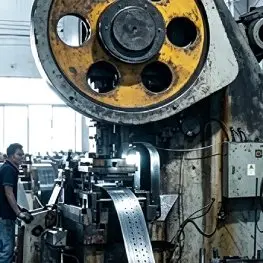
Edge Polishing
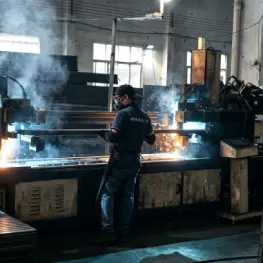
Robot Welding
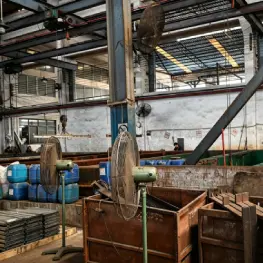
Pre-Treatment
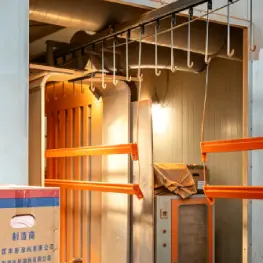
Coating / HDG
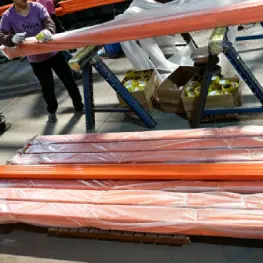
QC & Packing
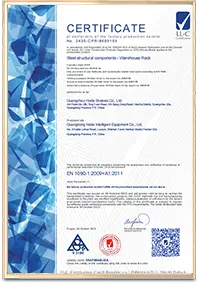
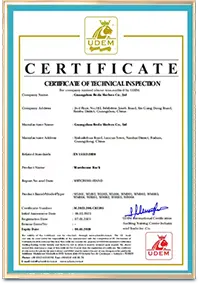
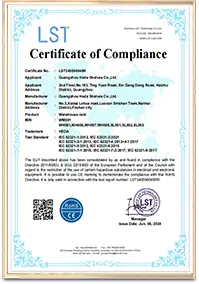
Independently Verified Structural Credentials
Our quality management systems and structural structural calculations are thoroughly audited to international standards.
| Standard / Credential | Registration Reference |
|---|---|
| CE Conformity (EN 1090-1 / CPR) | No. 2435-CPR-8605159 |
| ISO 9001:2015 Quality Management | No. 18624Q00169R0M · Valid until 2027-06 |
| RoHS Directive Compliance | Restricted Hazardous Substances Approved |
| Steel Mill Low-Temp Impact Test | Charpy V-notch verification at -20°C / -40°C |



Frequently Asked Questions on Cold Storage Racking
Direct answers addressing the structural, financial, and operational questions procurement teams ask most frequently when planning refrigerated facilities.
How do you prevent steel embrittlement in cold storage pallet racking below -25°C?
Is hot-dip galvanized or electrostatic powder coating better for sub-zero racking?
How does pallet rack layout directly reduce cold room refrigeration electricity costs?
What floor slab and anchor considerations must be factored into sub-zero rack installation?
Can radio shuttles operate continuously inside -30°C freezers without battery failure?
How does Guangzhou Heda Shelves Co., Ltd. handle seismic engineering for cold storage racking?
Request a Free Cold Storage Warehouse Layout & Feasibility Study
Planning a refrigerated facility or retrofitting an existing cold store? Send our engineering department your building parameters. Guangzhou Heda Shelves Co., Ltd. provides comprehensive 3D CAD layout layouts, cubic density calculations, and material specifications within 24 to 48 hours.
Technical Data Checklist for Fast Quotation
- Building CAD layout showing clear ceiling height and evaporator locations
- Operating temperature range (e.g., +4°C chilled, -18°C frozen, -30°C blast)
- Pallet footprint (W × D × H mm) including cargo overhang and gross weight
- Forklift model, mast collapsed height, and maximum lifting reach
- Local site seismic zone factors and preferred finish (HDG or Powder Coated)