What Is a Drive-In Racking System and How Does It Maximize Storage Density?
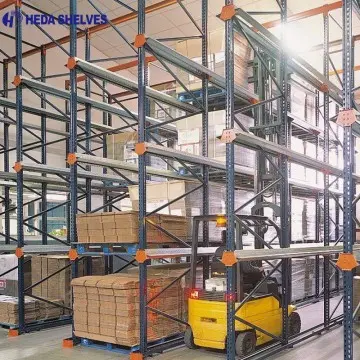
A Drive-In Racking System is a continuous block-storage configuration where counterbalance or reach forklifts physically enter interior storage lanes to deposit and retrieve pallets. By eliminating conventional working aisles between individual rack bays, Drive-In configurations achieve unprecedented volumetric density, storing up to 75% more pallets within the same footprint compared to traditional selective pallet racks.
Unlike standard cross-beam racks where pallets bridge two parallel horizontal beams, a Drive-In Racking System supports pallets along their bottom edges on heavy-gauge cantilevered bracket arms and continuous roll-formed pallet guide rails. Because structural horizontal beams are omitted across the aisle entry points to permit truck mast clearance, the entire assembly demands rigorous structural calculation to prevent frame deformation.
At Guangzhou Heda Shelves Co., Ltd., every drive-in project undergoes finite element structural analysis (FEA). We assess dead loads, live loads, forklift impact probabilities, dynamic braking surges, and local seismic criteria. Using premium Chinese steel grades (Q235B and high-strength Q355B cold-rolled coils), our automated rolling mills form upright profiles engineered specifically for torsional stiffness and longitudinal buckling resistance.
LIFO vs. FIFO Engineering Architecture
Drive-In (LIFO): Forklifts access the lane from one single entry face. Pallets deposited first are picked last (Last-In, First-Out). The rear of the bay is braced with structural X-trusses, providing superior structural stiffness.
Drive-Through (FIFO): Operates with dual access faces. Pallets enter from the rear and are unloaded from the front (First-In, First-Out). Because rear bracing must be removed for pass-through access, heavy overhead portal beam tie-ins and anchored ground guide rails are mandatory to restore structural equilibrium.
Drive-In Technical Parameters at a Glance
| Component | Standard Engineering Specification |
|---|---|
| Upright Column Profile | 80×60, 90×70, 100×70, 120×95 mm (Thickness 1.8–3.0 mm) |
| Pallet Rail Profiles | Galvanized or Powder-Coated Single / Double Flange (2.0–3.0 mm) |
| Cantilever Support Arms | Single-sided and Double-sided Drop-in Clamped Brackets |
| Bay Depth Capability | 2 to 12 pallets deep (typically 4–7 pallets for optimal cycle safety) |
| Elevation Levels | 2 to 7 tiers high (governed by forklift mast limits & fire sprinklers) |
| Max Capacity Per Pallet | 500 kg to 2,000 kg per pallet position |
| Surface Treatment | Pickling & Phosphating + Electrostatic Powder Coating or Hot-Dip Galvanizing |
High-Performance Drive-In Racking Recommendations
Selecting the exact high-density rack configuration depends on rotation frequency, temperature environment, SKU dispersion, and capital payback requirements.
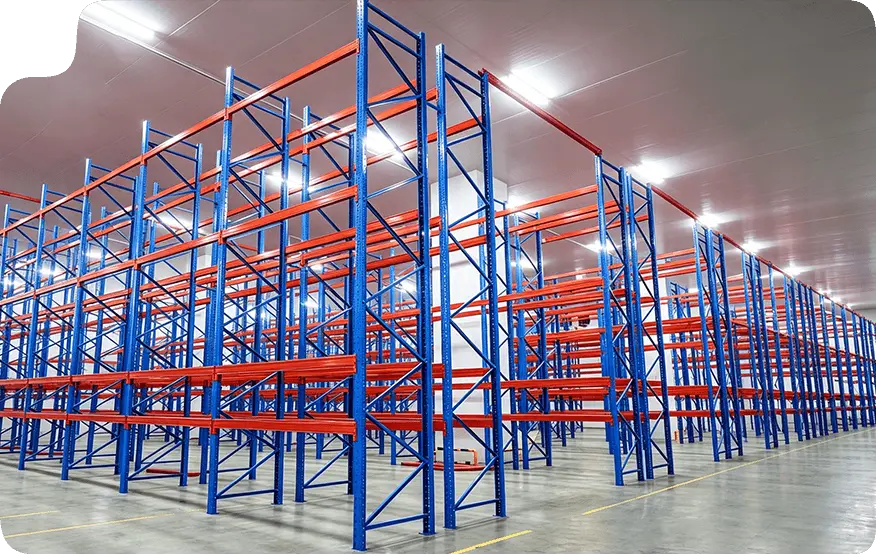
Cold Storage Drive-In System
Designed for frozen seafood, meat, dairy, and pharmaceuticals at temperatures between -5°C and -35°C. Minimizes costly cooled volume while maximizing thermal retention.
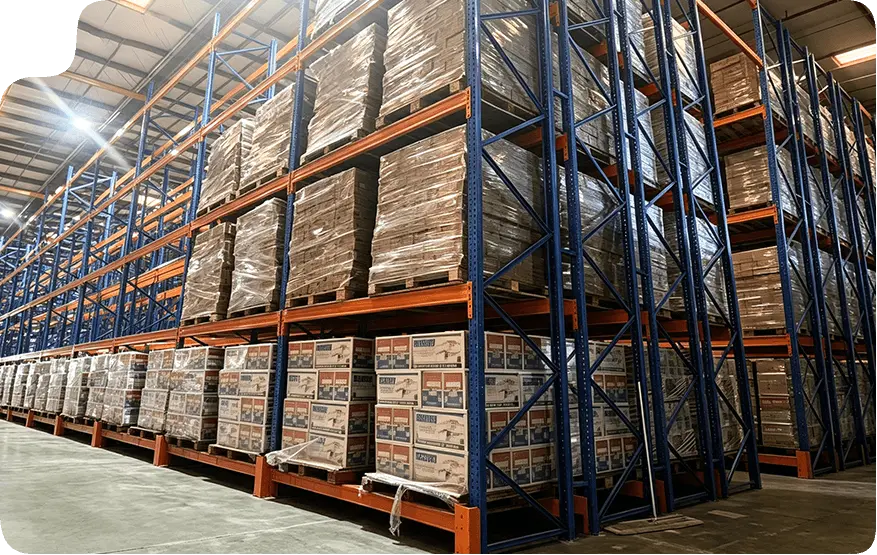
FMCG & Beverage Drive-In
Ideal for homogeneous fast-moving consumer goods, bottled drinks, canned foods, and brewing warehouses where batch uniformity enables efficient deep-lane LIFO stacking.
Drive-Through FIFO System
Configured with opposing loading and picking aisles to enforce strict First-In, First-Out inventory control for raw ingredient manufacturing and dated packaging goods.
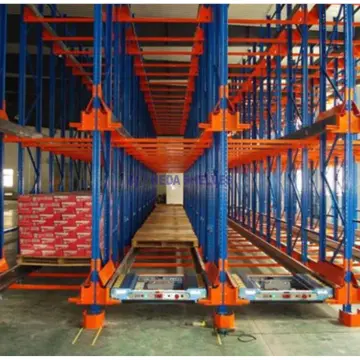
Shuttle-Ready Drive-In Conversion
Dual-purpose drive-in lanes roll-formed to allow future installation of semi-automated radio shuttles without structural dismantling, future-proofing your warehouse.
Procurement Trends & Technological Evolution in Drive-In Racking
Procurement directors and supply chain engineers are no longer purchasing steel racks solely by price per kilogram. The modern warehouse demands integration with automated guided vehicles, predictive structural telemetry, and high-efficiency cold-chain decarbonization.
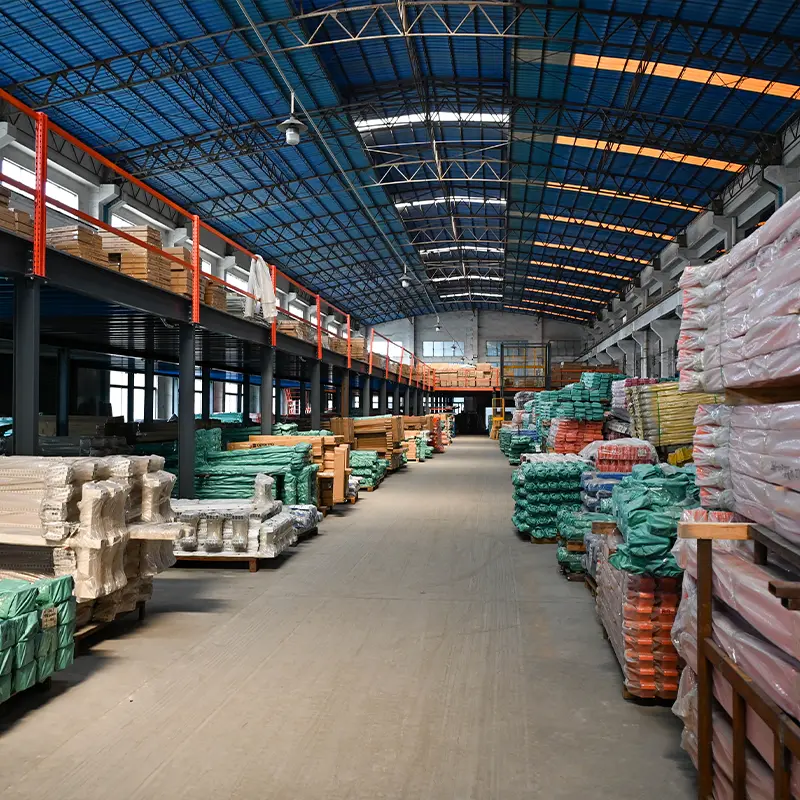 01

Autonomous AGV Compatibility
Procurement teams are shifting to Drive-In layouts featuring tight millimeter-level lane tolerances designed for automated guided forklifts (AGVs) equipped with LiDAR and optical guidance, eliminating human driving errors inside deep bays.
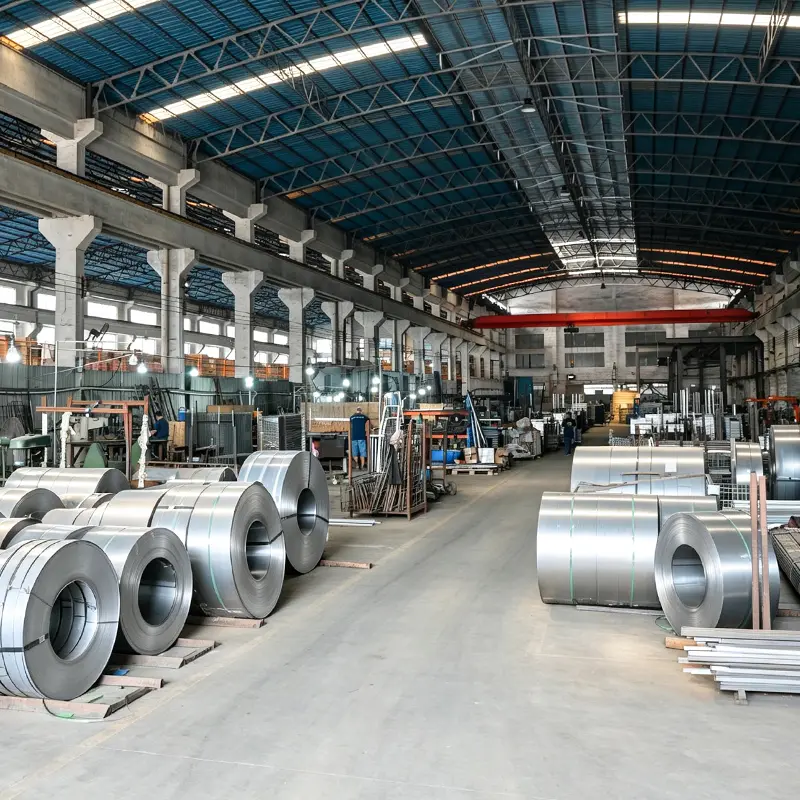 02

Dynamic Seismic Resiliency
Across the Pacific Ring of Fire—including Indonesia, the Philippines, Japan, and the Americas—modern drive-in tenders require certified dynamic seismic calculations (RMI and Eurocode EN 15512), prioritizing ductile steel chemistries and heavy base anchorages.
03

Cold-Chain Decarbonization
With electricity prices rising worldwide, refrigerated warehouses achieve up to 35% refrigeration load reduction by replacing selective racks with compact drive-in blocks, directly shortening payback periods for ESG-conscious cold storage operators.
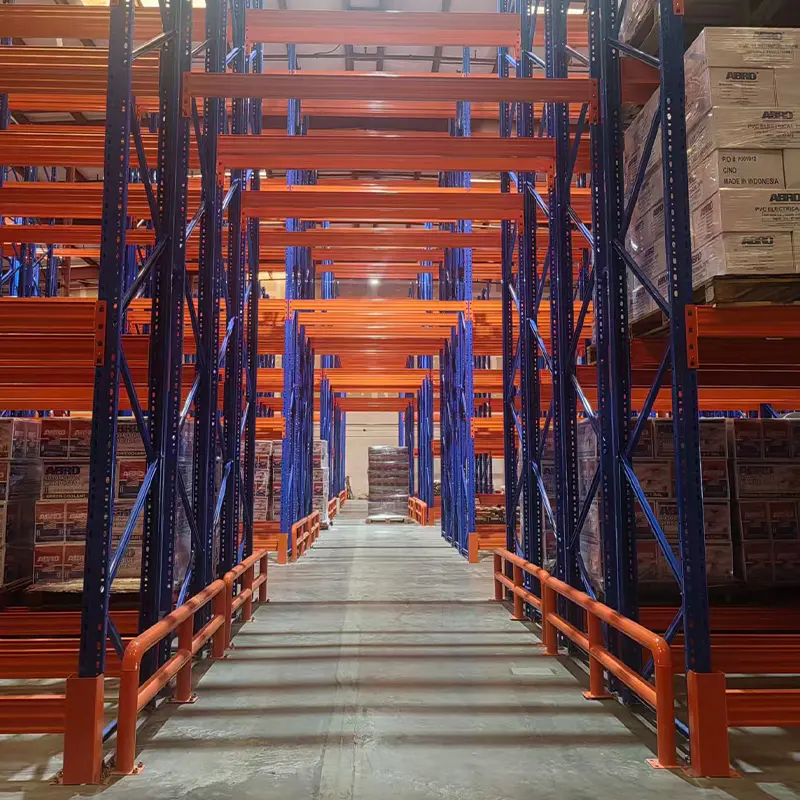 04

Hybrid Modular Retrofitting
Buyers now favor drive-in systems manufactured with universal punch-pitch patterns (50mm or 75mm). This ensures that lanes can later be transformed into push-back carts, pallet flow rollers, or radio-shuttle runs with zero steel fabrication on site.
Why Tier-1 Warehouse Operators Partner with Guangzhou Heda Shelves Co., Ltd.
Founded in 2001 in Guangzhou, China, Guangzhou Heda Shelves Co., Ltd. has grown into an international industry leader in industrial storage systems. Spanning an advanced 30,000 m² factory with more than 300 experienced engineers, technicians, and certified fabricators, we produce up to 30,000 metric tons of precision racking per month.
Our competitive edge rests on total in-house manufacturing control. From premium coil steel slitting and automated CNC roll-forming to robotic welding, automatic pickling, phosphating pre-treatment, and electrostatic powder coating, every step complies with ISO 9001:2015 and CE certification standards. We eliminate middleman surcharges, delivering direct-from-factory pricing, full traceability, and dependable delivery to over 120 countries worldwide.
- 25+ Years Manufacturing HeritageDelivering structural safety since 2001
- 10,000+ Completed InstallationsGlobal project footprint across 120+ nations
- Complimentary Engineering LayoutsDetailed CAD, 3D renderings & capacity analysis
- Full OEM & ODM CapabilitiesTailored steel gauges, profiles, and RAL colors
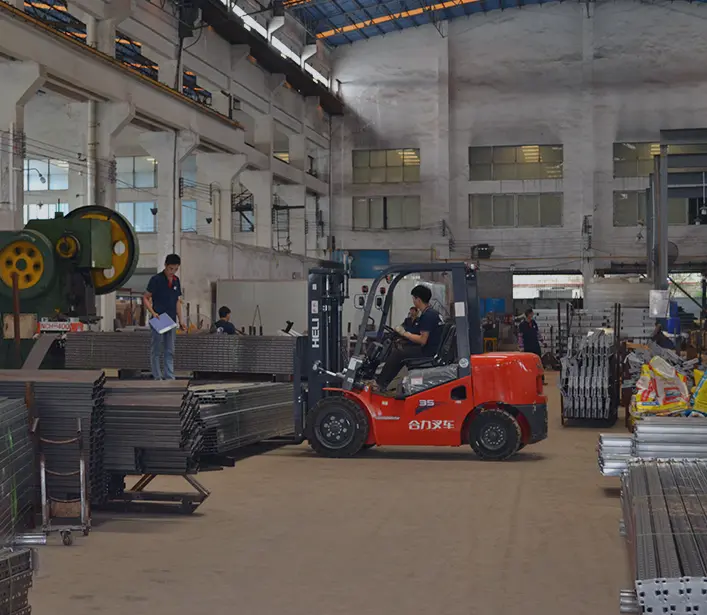
10-Step Drive-In Racking Quality Assurance
Because forklifts enter directly inside Drive-In rack lanes, steel strength and dimensional accuracy are mission-critical. Every component follows our rigorous 10-step production protocol.
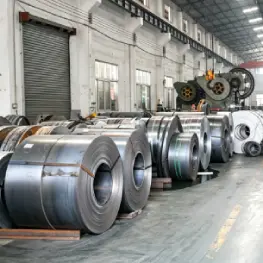
Certified Raw Coil
Q235B/Q355B prime mill steel with mill test certificates.
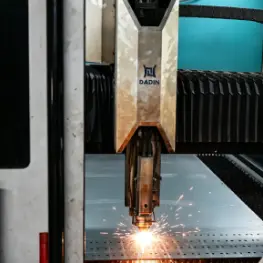
Precision Slitting
CNC high-speed slitting to exact strip dimensions.
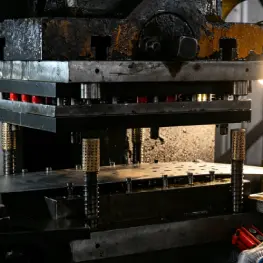
Automated Punching
Continuous servo-driven hole punching (50mm/75mm pitch).
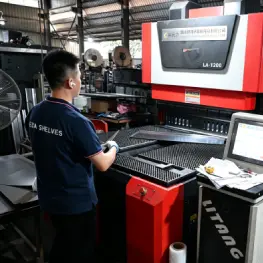
Multi-Roll Forming
Multi-pass cold rolling for high section modulus.
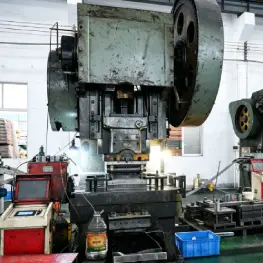
Rail Profile Forming
Continuous flanged pallet guide rail profiling.
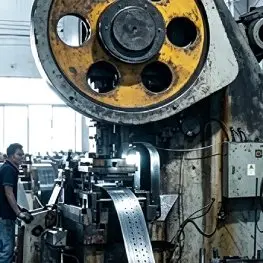
Deburring & Polishing
Mechanical edge rounding to eliminate handling abrasion.
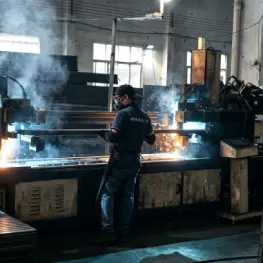
Robotic Welding
CO2 shielded automated welding for high fatigue strength.
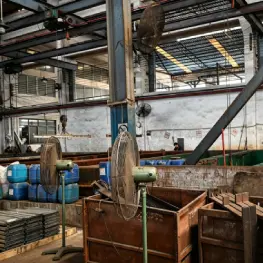
Pickling & Phosphating
Chemical rust stripping and crystalline phosphate conversion.
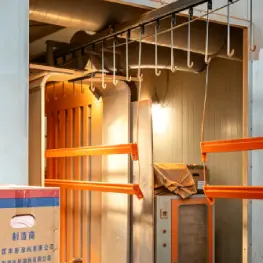
Powder Coating & Cure
180°C–200°C baked thermoset polyester powder (60–90µm).
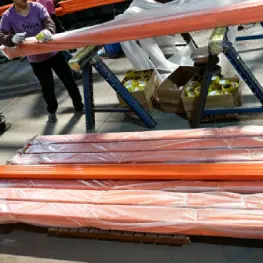
Final QC & Bundling
Pre-shipment thickness checks, load validation & container wrap.
Independently Verified Certification for Safe Project Approval
Global logistics engineering requires transparent safety compliance. We publish verifiable certification records to streamline corporate HSE and regional authority sign-offs.
| Credential | Registration / Standard | Status |
|---|---|---|
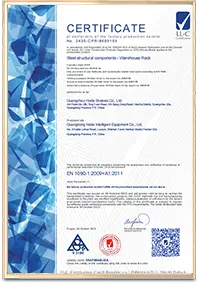
| CE Marking | No. 2435-CPR-8605159 (EN 1090-1 Structural Steel) | Verified Valid |
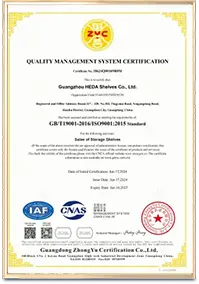
| ISO 9001:2015 | No. 18624Q00169R0M Quality Management System | Audited to 2027 |
| RoHS Compliance | Heavy metal-free electrostatic powder coatings | Certified Safe |
| Steel Mill Traceability | Raw material chemical analysis & yield certificates | Per Heat Batch |


Direct Answers to Common Drive-In Racking Questions
These critical questions address forklift clearance, safety retrofits, sub-zero cold room operations, and structural life expectancies asked by international buyers.
What is the structural difference between Drive-In and Drive-Through Racking Systems?
How does Guangzhou Heda Shelves Co., Ltd. prevent forklift collision damage in Drive-In lanes?
What pallet specifications and quality standards are mandatory for Drive-In cantilever rails?
Why is the Drive-In Racking System optimal for cold chain and refrigerated distribution centers?
Can Drive-In Racking Systems be safely designed in high-seismic Asian or Pacific Rim zones?
What operational metrics indicate when a warehouse should upgrade from Drive-In to Radio Shuttle Racking?
Consult with Guangzhou Heda Shelves Co., Ltd. Racking Engineers
Accelerate your warehouse expansion with factory-direct pricing, structural compliance calculations, and complimentary CAD/3D layouts engineered to your forklift and pallet profile.
Essential Project Parameters for Rapid Quoting
Providing these specifications enables our engineering team to calculate rack profiles and structural load charts within 24 hours:
- Warehouse architectural CAD plan and clear ceiling height (under beam/sprinkler)
- Pallet dimensions (W × D × H including cargo overhang) and maximum pallet weight
- Forklift model, mast maximum lifting height, chassis outer width, and collapsed height
- Operating temperature range (ambient, air-conditioned, or sub-zero cold room)
- Target project destination city and regional seismic design requirements