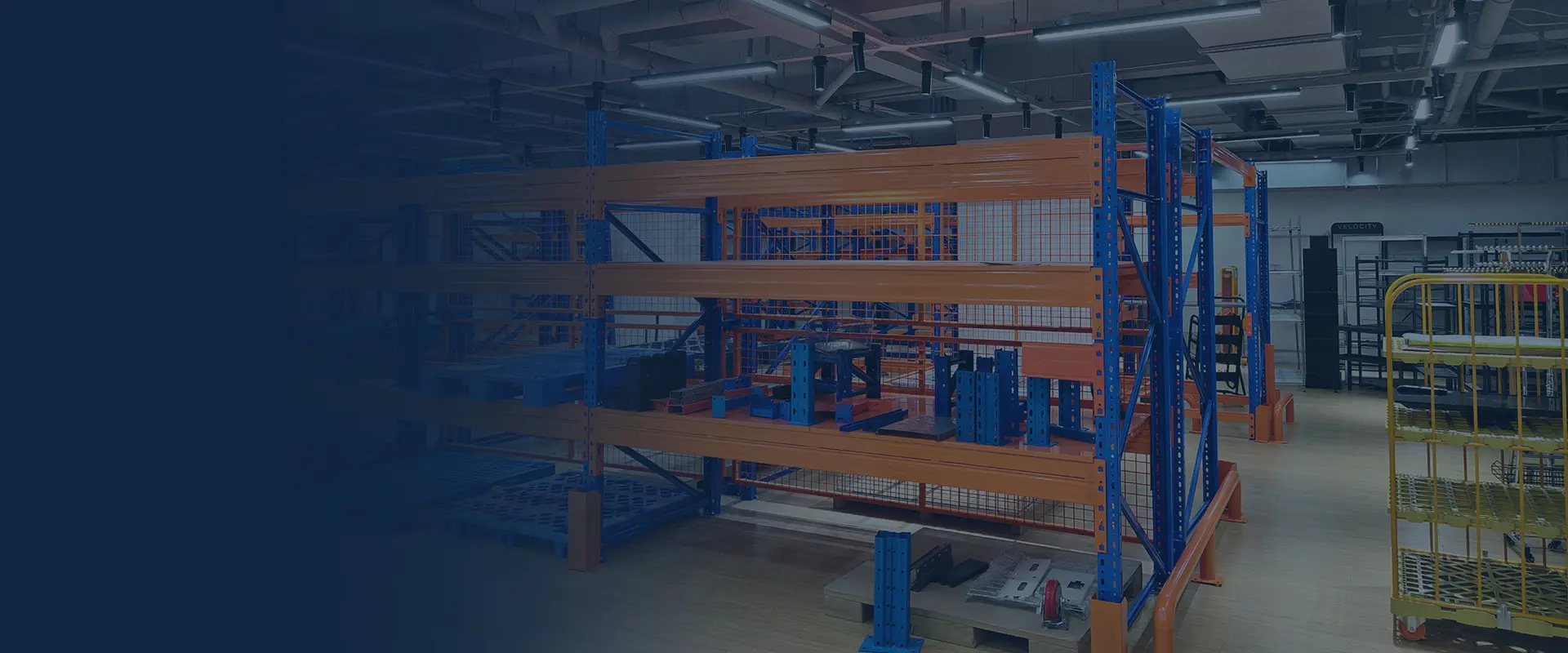
The Mechanics of Modern Push Back Pallet Rack Systems
Warehouse managers across the globe constantly grapple with the trade-off between aisle access and volumetric storage density. A push back pallet rack represents the premier dynamic accumulation system, balancing ultra-dense storage with rapid material flow.
At its core, a push back pallet rack operates on a gravity-flow principle using a series of nested, telescoping steel carts that roll along inclined structural steel guide rails (typically angled at 1.5° to 3°). When an operator loads the initial pallet, it sits on the top nesting cart. To deposit the subsequent unit, the lift truck operator gently pushes the first cart backward, exposing the secondary cart beneath it. This mechanical telescoping sequence continues up to 6 pallets deep per channel.
During pallet retrieval, the operational dynamic reverses smoothly under controlled gravitational resistance. As the front pallet is lifted off the cart, the remaining nested units roll forward automatically to the picking aisle face at a controlled, uniform velocity. Because the forklift never enters the structural storage bay, push back systems resolve the fundamental physical risk that plagues drive-in racking: expensive upright collisions, damaged pallet frames, and catastrophic structural failure.
- 90% Density IncreaseConverts dead aisle corridors into revenue storage
- Standard Lift TrucksOperates with standard counterbalance and reach trucks
- Enhanced Safety MarginMaintains structural upright integrity at all times
- Multi-SKU SelectivityEvery lane level can hold an independent SKU
High-yield Q235B or Q355B cold-formed steel profiles, multi-stage welded nested carts, heavy-duty sealed flanged rollers, dual-slope deceleration stops, and custom safety backstops designed to meet international FEM and RMI technical specifications.
High-Performance Push Back Pallet Rack Recommendations
Depending on building ceiling clearances, pallet dimensions, pallet bottom configurations, and rotation cycle rates, Guangzhou Heda Shelves Co., Ltd. provides customized push back configurations engineered for specific logistics applications.
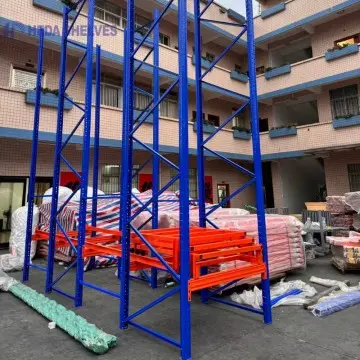
2-Deep Dynamic Cart Racks
Utilizes a single nested carrier cart over structural rails. Excellent alternative to double-deep selective racking without requiring specialized pantograph reach trucks.
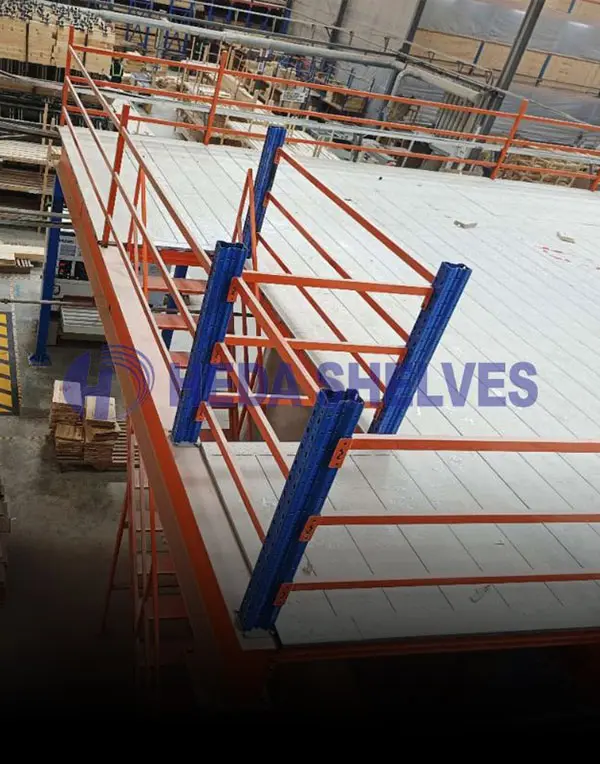
3 to 4-Deep Telescoping Systems
The global sweet spot for balancing SKU variety and storage capacity. Multi-tiered nested carts provide up to 75% more pallet locations along existing building walls.
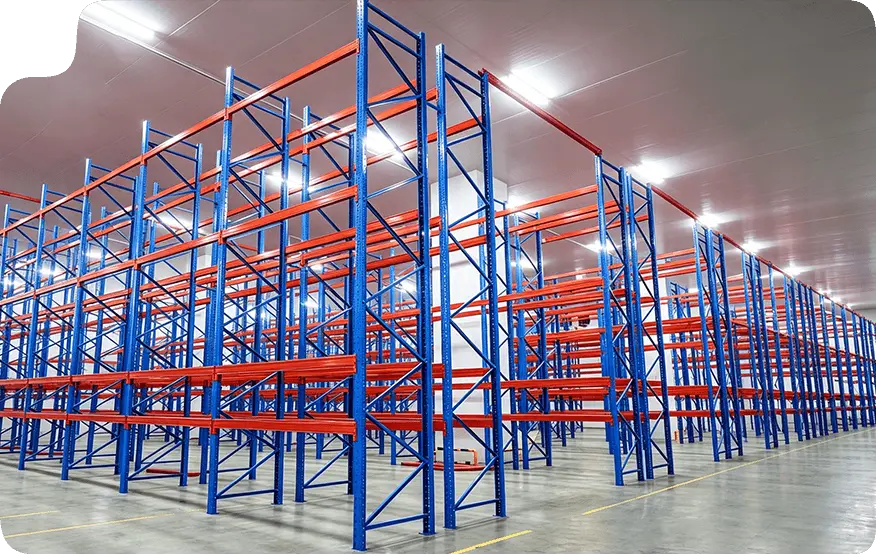
Cold Chain & Freezer Push Back
Engineered for temperatures down to -30°C. Features low-viscosity greased bearings, galvanized steel components, and anti-icing clearances for cold stores.
5 to 6-Deep Heavy Duty Systems
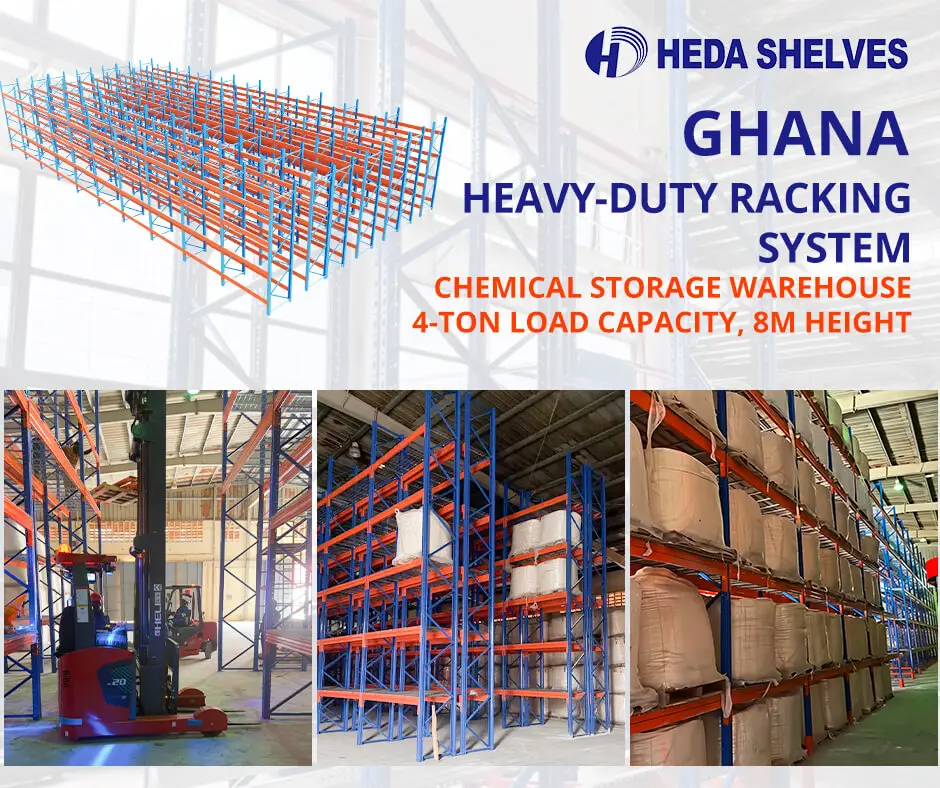
Designed for high-volume raw materials and staging zones. Reinforced frame geometry and stepped cart systems support up to 1,500kg per position safely.
Future Procurement & Technological Trends in Push Back Pallet Racking
How automation, warehouse real estate costs, sustainability directives, and smart sensors are reshaping global push back rack procurement through 2030.
1. Urban Micro-Fulfillment & Cold Storage Expansion
With urban industrial land prices escalating worldwide, greenfield construction is often financially prohibitive. Warehouse operators are converting conventional selective systems into 3-to-5 deep push back pallet racks to gain 60-90% more pallet positions without changing physical building footprints. This demand is particularly acute across cold chain logistics hubs in Asia, North America, and Europe where every refrigerated cubic meter represents substantial operating expense.
2. Hybrid Integration with Autonomous Forklifts & AGVs
As third-party logistics (3PL) facilities adopt automated guided vehicles (AGVs) and autonomous mobile forklifts (AMFs), push back systems are being re-engineered with laser-aligned positioning targets, tight track-deviation tolerances (±1.5mm), and smart cart deceleration catches. This transforms purely mechanical push back systems into seamless loading interfaces for automated warehouse fleets.
3. Advanced Material Science & Resilient Bearings
Traditional push back systems historically suffered from premature bearing fatigue in harsh environments. Modern procurement specifications demand sealed, self-lubricating stainless or micro-alloy steel roller bearings, polymer low-friction coatings, and corrosion-inhibiting pre-treatments like zinc phosphating and cathodic epoxy powder finishes. These ensure 10+ years of uninterrupted daily rolling duty.
4. Supply Chain Resilience & Factory-Direct Procurement
Procurement teams are increasingly bypassing regional intermediaries to collaborate directly with ISO-certified original equipment manufacturers. Factory-direct engineering partnerships with manufacturers like Guangzhou Heda Shelves Co., Ltd. provide custom load testing reports, verified structural FEA calculations, and direct container shipping logistics, delivering significant cost savings on large capital infrastructure projects.
Push Back Pallet Rack vs Alternative High-Density Systems
Selecting the optimal storage geometry requires evaluating selectivity, equipment compatibility, throughput velocity, and structural safety parameters.
| Evaluation Parameter | Push Back Pallet Rack | Drive-In Racking System | Selective Pallet Racking | Radio Shuttle Racking |
|---|---|---|---|---|
| Volumetric Space Utilization | Very High (Up to 75–85%) | High (Up to 70–80%) | Low to Moderate (40–50%) | Maximum (80–90%) |
| Inventory Rotation Model | LIFO (Last-In, First-Out) | Strict LIFO (Difficult FIFO) | 100% Selective / FIFO | Flexible (FIFO & LIFO) |
| SKU Selectivity per Level | High (Independent per lane) | Very Poor (Single SKU per bay) | 100% Direct Immediate Access | Moderate (Per lane depth) |
| Handling Cycle Speed | Fast (Forklift stays in aisle) | Slow (Truck must drive inside) | Fastest per single pallet | High automated throughput |
| Structural Collision Risk | Extremely Low | High (Frequent upright hits) | Low to Moderate | Extremely Low |
| Forklift Equipment Required | Standard Counterbalance/Reach | Narrow Mast Counterbalance | Standard Forklifts | Standard Forklifts + Shuttles |
| Capital Investment (ROI) | Balanced / High Long-Term ROI | Low Initial / High Maintenance | Low Initial Cost | High Initial Investment |
Eliminating the Honeycomb Effect
In drive-in racking, when an operator partially picks from a deep lane, that entire multi-pallet cube remains blocked or unutilized—wasting significant warehouse volume. Push back racks eliminate this "honeycombing" because every tier operates as a fully independent dynamic lane. You can store four distinct product lines in one vertical upright bay with zero lost space.
Get CatalogDrastic Forklift Collision Reduction
Forklift-to-rack impacts represent the leading cause of catastrophic warehouse collapses globally. Because push back systems keep all lift truck movements outside the structural footprint in clear aisles, structural damage to upright frames is practically eliminated, saving tens of thousands of dollars in annual maintenance and rack repair down-time.
Request Warehouse Layout AnalysisGuangzhou Heda Shelves Co., Ltd.: Precision Engineering Since 2001
When purchasing mission-critical heavy dynamic storage systems, manufacturer authority, engineering heritage, and production controls are paramount. Guangzhou Heda Shelves Co., Ltd. has led industrial racking innovation for more than 25 years.
Operating from a state-of-the-art 30,000 m² production facility in Guangzhou with over 300 experienced technical specialists, we manufacture over 30,000 metric tons of steel storage systems every month. By managing the complete manufacturing pipeline—from raw coil slit shearing and CNC punching to automated cold-bending, robot-welded dynamic nested carts, and multi-stage powder coating—we deliver consistent structural integrity across every component.
- 10,000+ Completed ProjectsProven deployments across 120+ countries
- Complete Engineering SupportFinite Element Analysis (FEA) & full layout design
- Direct Export ComplianceInternational CE Marking & ISO 9001:2015 audited
- Seamless LogisticsDirect loading from Guangzhou-area sea ports
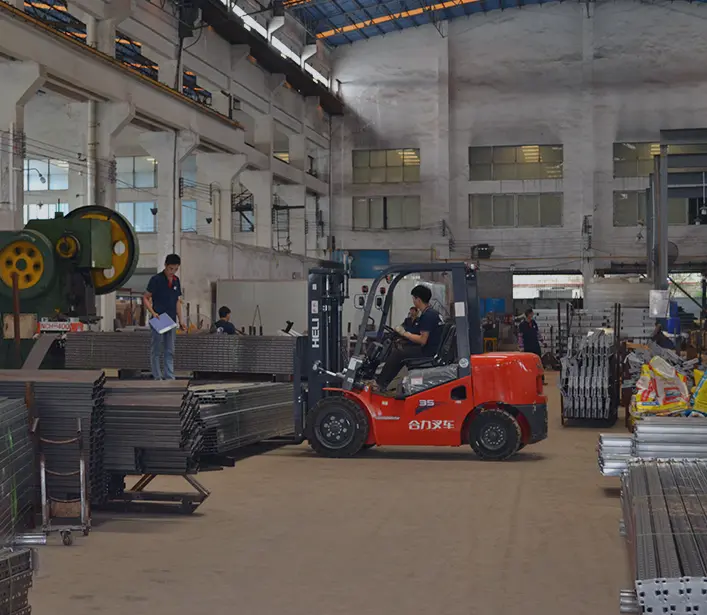
Our 10-Step Quality Control & Cart Fabrication Process
Every dynamic nested cart and structural upright profile follows a rigorous 10-phase production quality protocol to ensure dimensional accuracy, structural safety, and jam-free slope rolling.
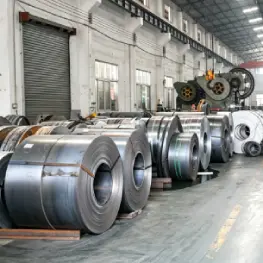
Certified Raw Steel
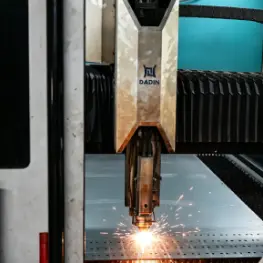
Precision CNC Cutting
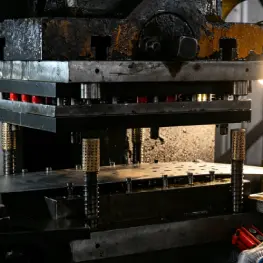
Automatic Column Punching
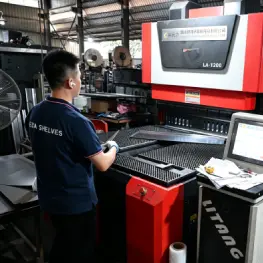
Cold-Bending Profile
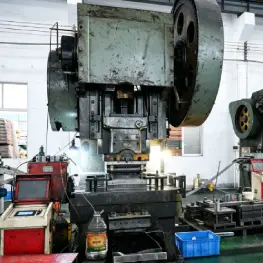
High-Speed Roll Forming
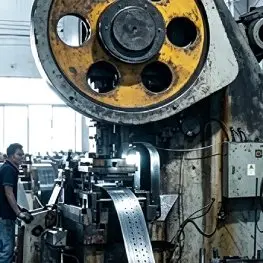
Mechanical Surface Polish
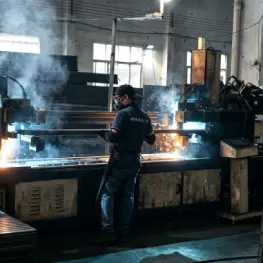
Precision Robotic Welding
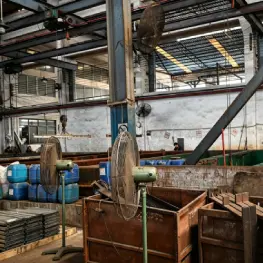
Pickling & Phosphating
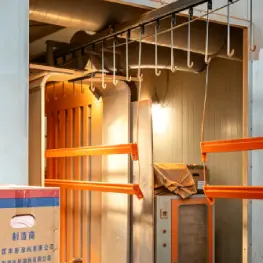
Epoxy Powder Coating
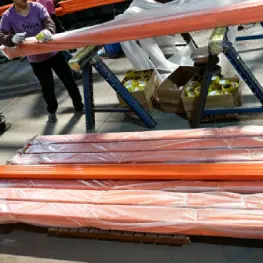
Slope QC & Export Staging

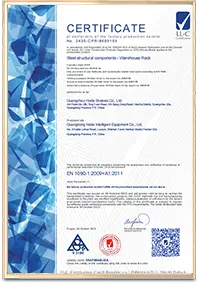
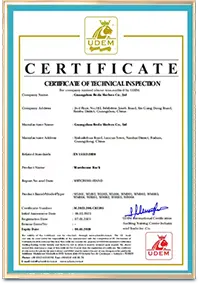
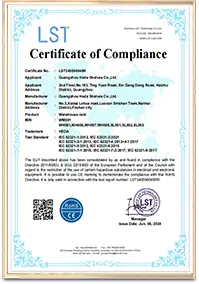
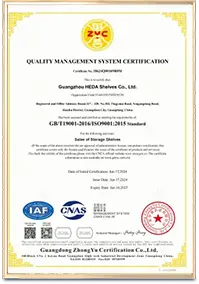
Independently Tested, Globally Compliant Racking Systems
Every structural calculation, beam deflection test, and welded cart joint undergoes accredited audit verification. We publish complete registration data to satisfy institutional procurement audits.
| Certificate Standards | Registration & Audit Reference |
|---|---|
| CE Marking (EN 15512) | No. 2435-CPR-8605159 |
| ISO 9001:2015 Management | No. 18624Q00169R0M · Verified Valid to 2027 |
| Material Compliance | RoHS Compliant Electrostatic Coatings |
| Design Codes | Calculated to FEM 10.2.02, RMI & AS4084 |



Push Back Pallet Rack Technical FAQ
Answers to the critical questions engineering, supply chain, and warehouse operations leaders evaluate prior to procurement.
How does a push back pallet rack system operate and why choose it over drive-in racking?
Unlike drive-in racking, forklift operators never drive into the rack structure. This design cuts loading and retrieval cycle times by up to 50%, virtually eliminates rack upright impacts, and allows each lane level to hold different SKUs, eliminating the debilitating "honeycomb" dead-space problem common to drive-in layouts.
What pallet lane depths are standard, and what are the structural weight limits?
Is push back racking suitable for cold storage and refrigerated facilities?
What floor level tolerance and structural calculations are needed before installation?
Can push back racks accommodate different pallet sizes within the same facility?
How does Guangzhou Heda Shelves Co., Ltd. verify quality before export shipment?
Consult with Guangzhou Heda Shelves Co., Ltd. Today
Looking to optimize cubic density, eliminate forklift rack collisions, or upgrade an existing warehouse facility? Contact our senior engineering team for tailored layout calculations and project pricing.
Push Back Rack Engineering Checklist
- Warehouse clear internal height & building column grid
- Pallet dimensions (W x D x H) including product overhang
- Pallet weight (minimum, average, and maximum gross load)
- Pallet bottom construction (2-way, 4-way, skids, or perimeter base)
- Operating environment (Dry ambient, air-conditioned, or cold room)