

[email protected] Serving Southeast Asia, South Asia & the Middle East
EN

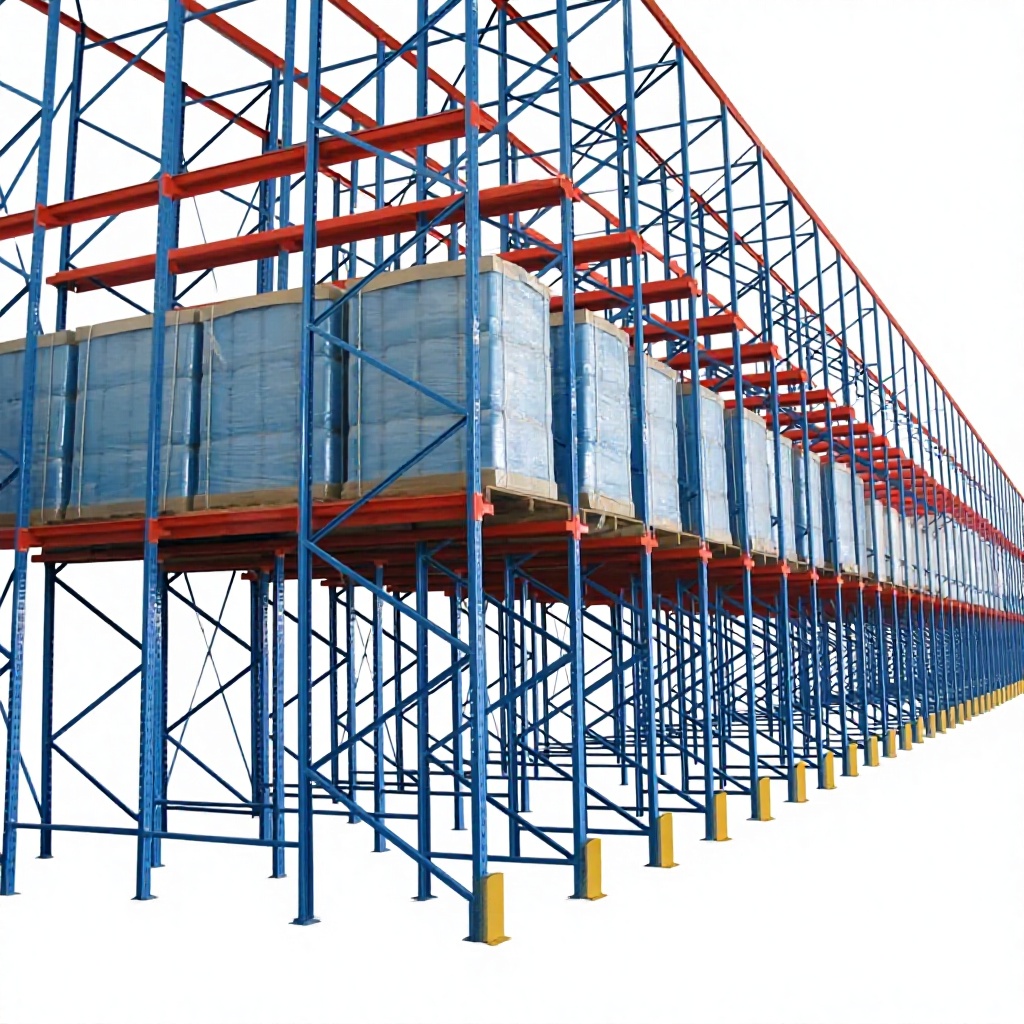
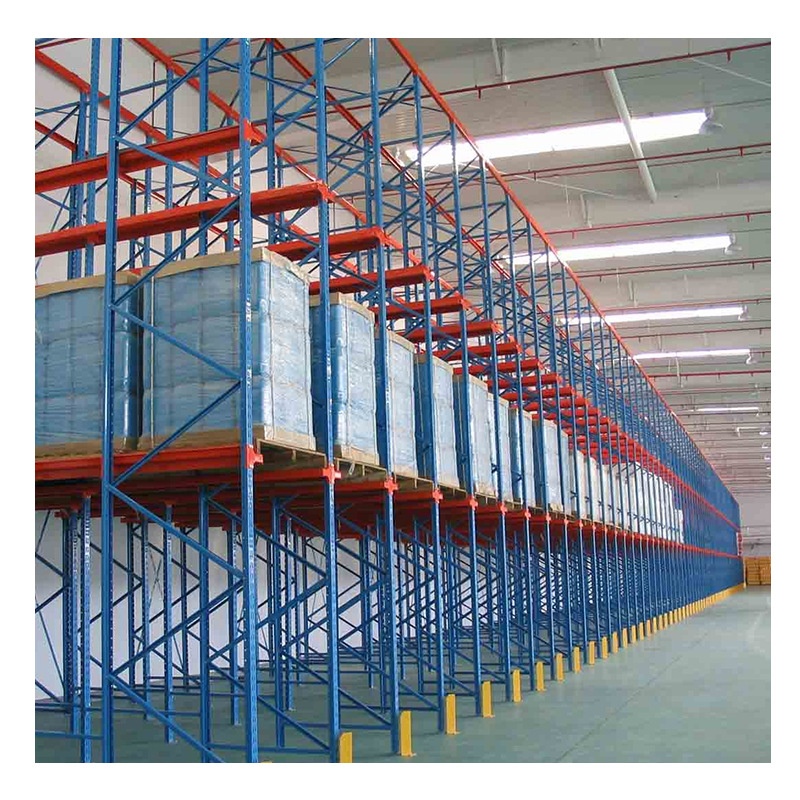
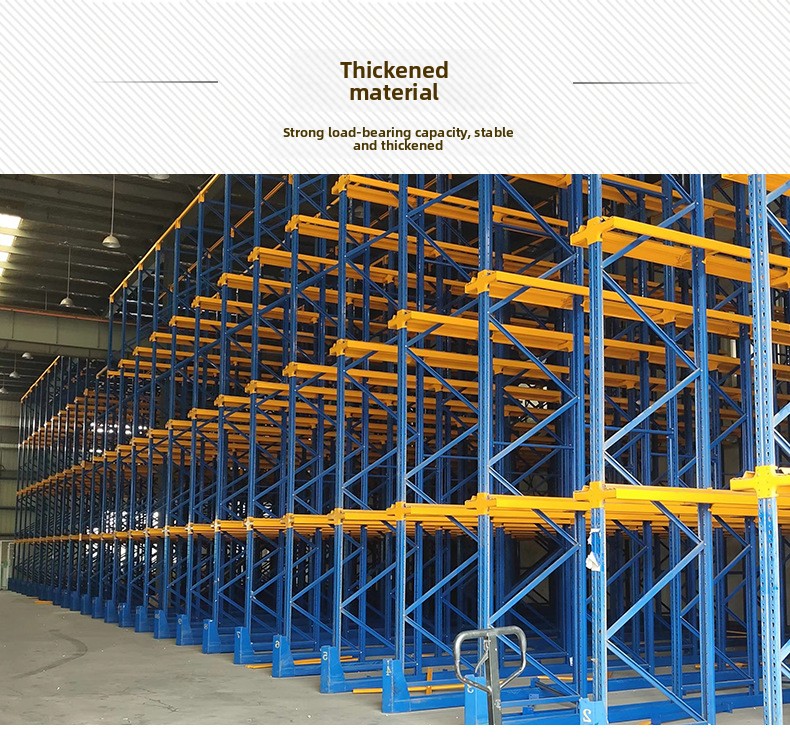
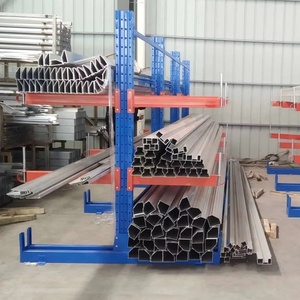
[Rongle] 2-Layer Steel Through-Aisle Drive-In Heavy-Duty Warehouse Shelving System (Blue/Red)

Product Description

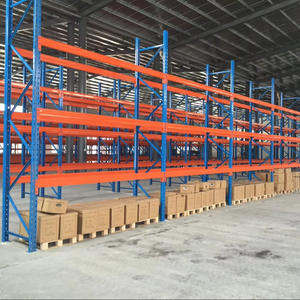
Warehouse Heavy-Duty Storage Overview
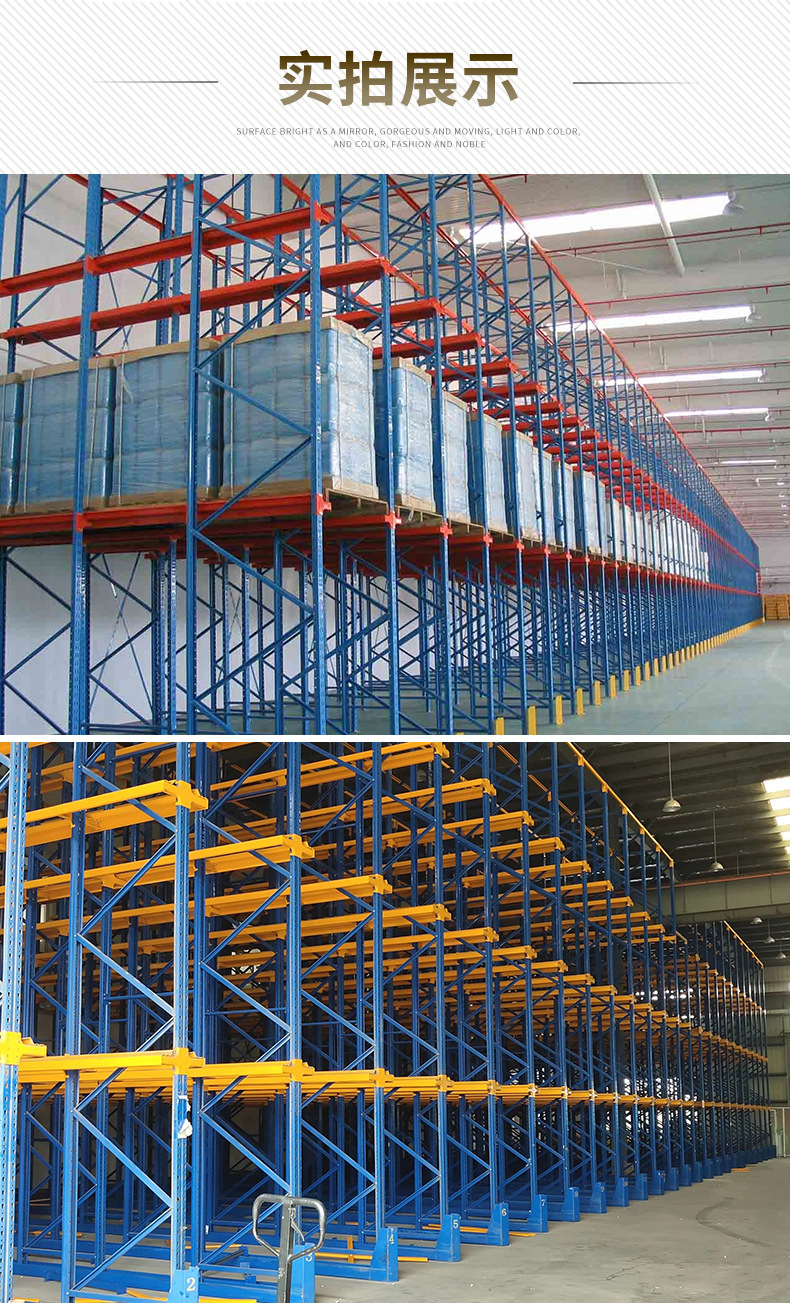
[Rongle] 2-Layer Steel Through-Aisle Drive-In Heavy-Duty Warehouse Shelving System (Blue/Red)
Heavy-Duty Steel Drive-In Pallet Racking
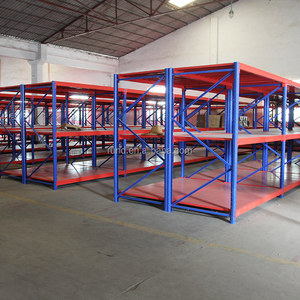
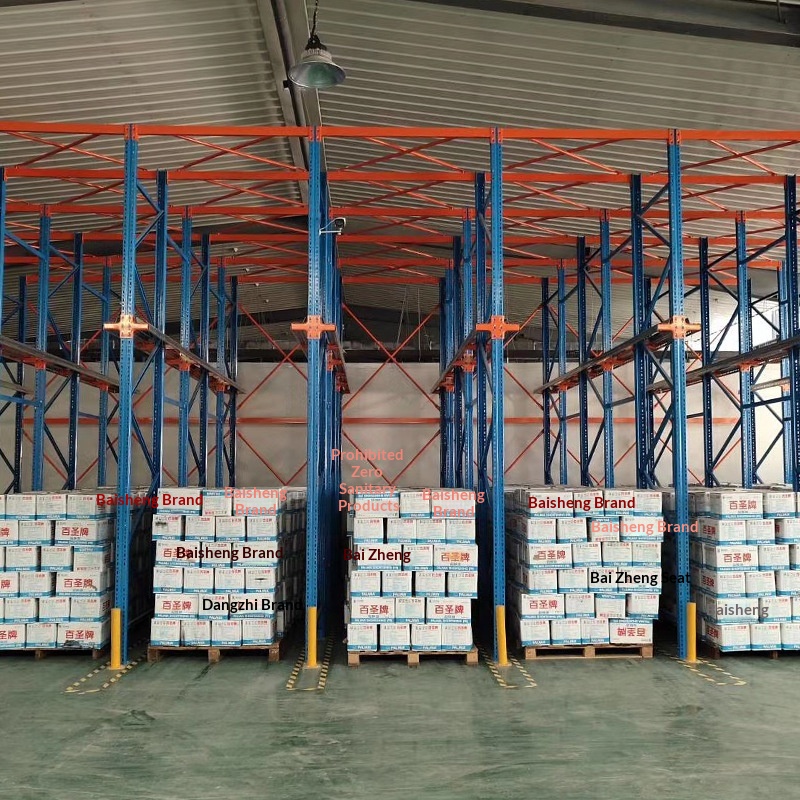
Industrial Warehouse Storage Shelving Components
[Rongle] 2-Layer Steel Through-Aisle Drive-In Heavy-Duty Warehouse Shelving System (Blue/Red)
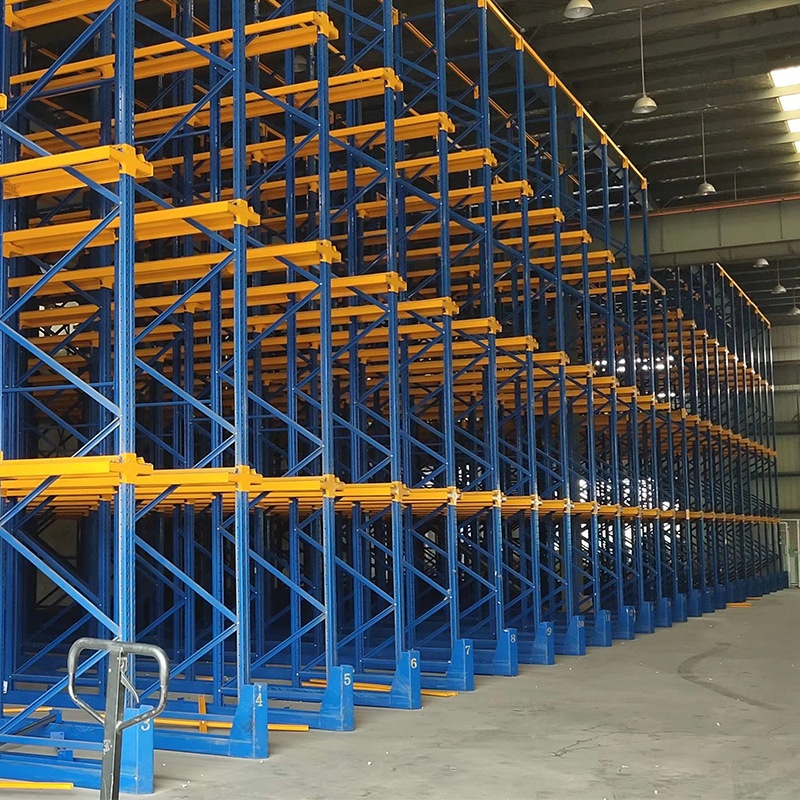
[Rongle] 2-Layer Steel Through-Aisle Drive-In Heavy-Duty Warehouse Shelving System (Blue/Red)
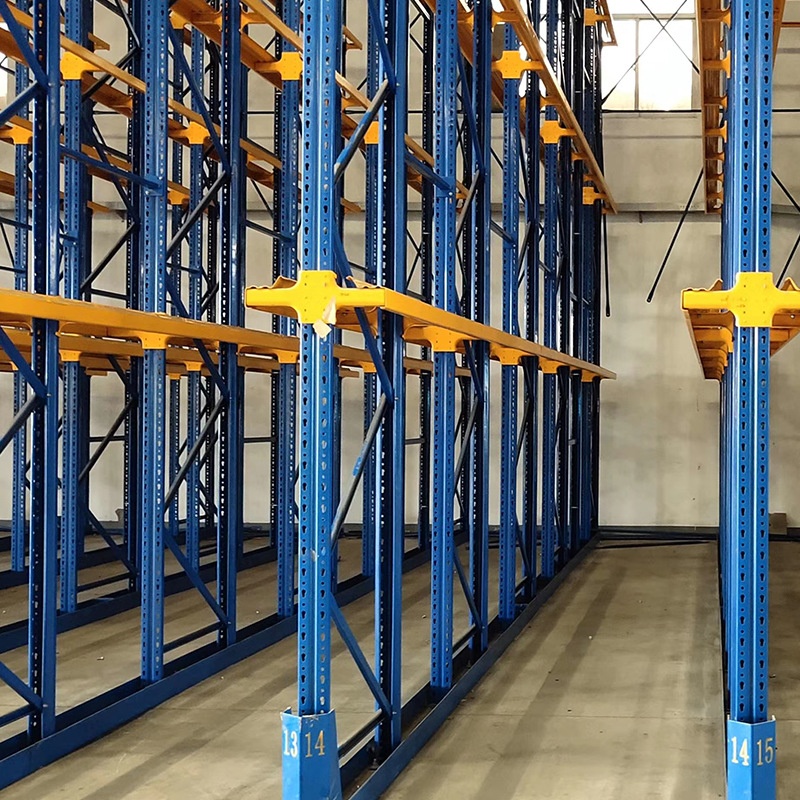
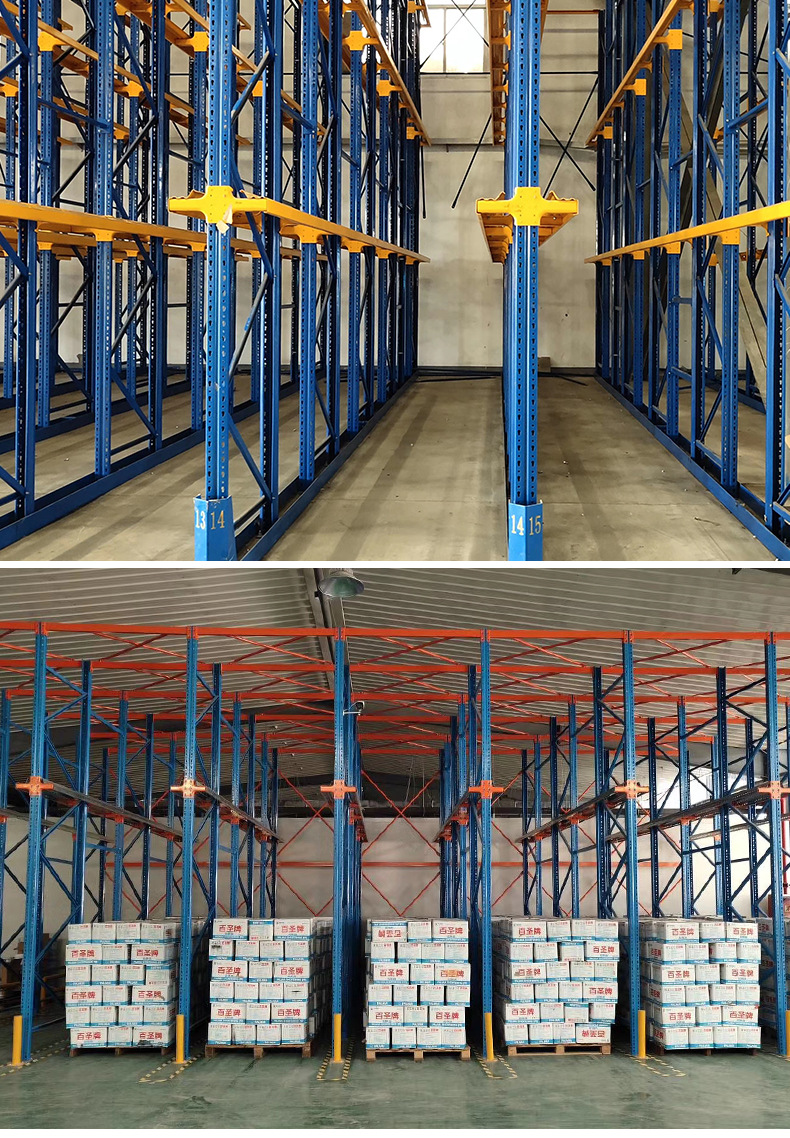
Drive-In Shelving System Upright Frame Detail
High-Density Pallet Rack Support Structure
Industrial Racking Assembly Joint
Warehouse Storage Shelving Beam and Upright Integration
[Rongle] 2-Layer Steel Through-Aisle Drive-In Heavy-Duty Warehouse Shelving System (Blue/Red)
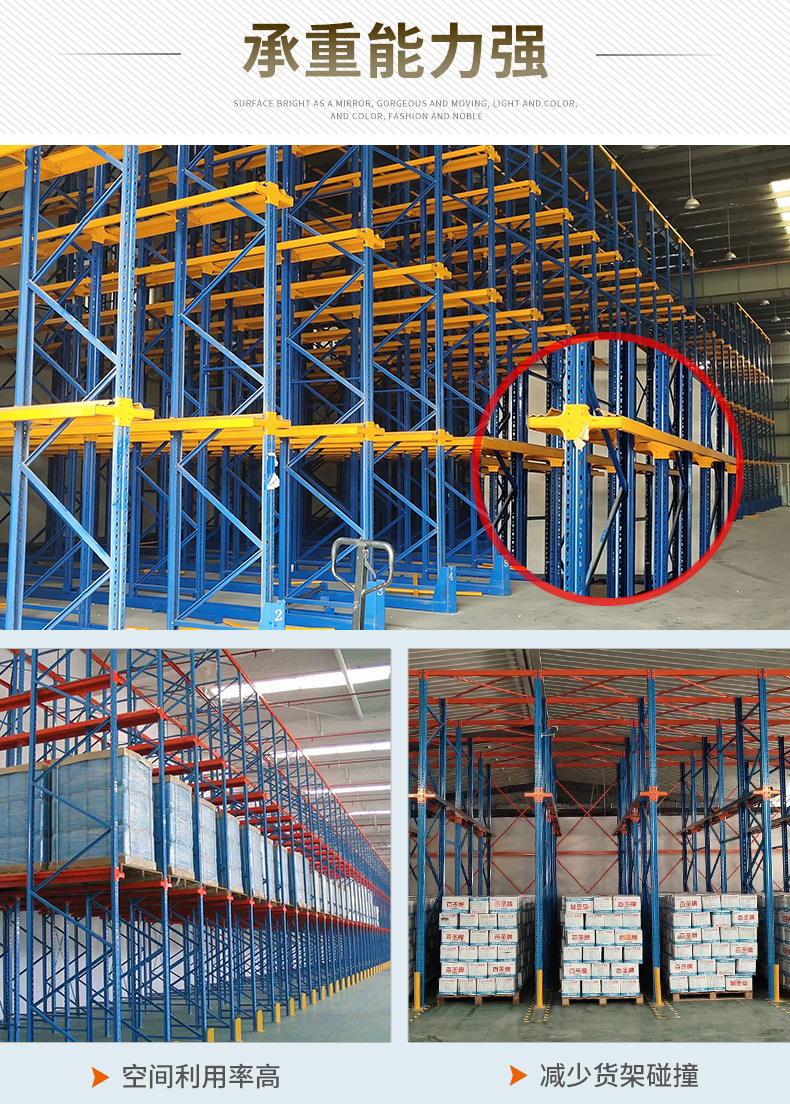
Drive-In Racking Structural Specification
Heavy-Duty Steel Upright and Support Rails
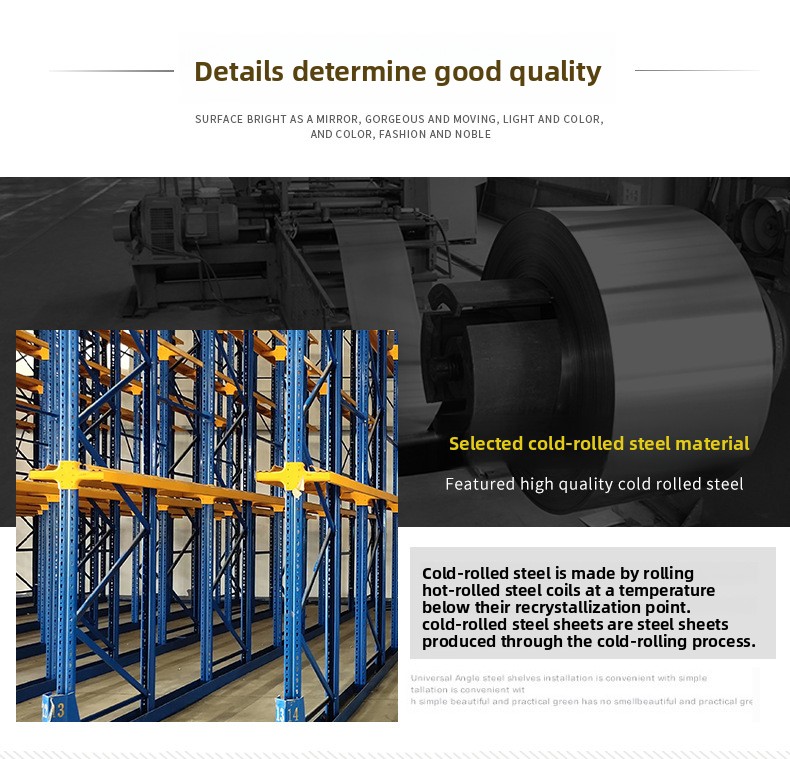
Drive-In Shelving Material and Finishing Quality
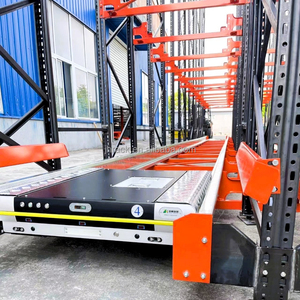
Pallet Loading Guide Rails and Bracing Details
Warehouse Heavy-Duty Racking System Installation

Frequently Asked Questions

Q What is a drive-in / through-aisle warehouse shelving system?

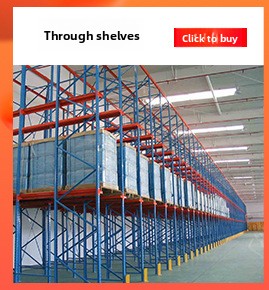
A drive-in or drive-through racking system allows forklifts to enter the rack structure directly to place or retrieve pallets. By eliminating standard access aisles between rows, it significantly maximizes cubic storage density for uniform palletized goods.

Q How does this racking configuration optimize warehouse floor space?

By utilizing a continuous lane format, drive-in systems reduce required aisle space by up to 60% to 80% compared to traditional selective pallet racks, making it an ideal choice for high-volume, low-SKU inventory.

Q What inventory management method is best supported?

Drive-in racks primarily operate on a LIFO (Last-In, First-Out) inventory rotation, while drive-through configurations with open opposing aisles can support FIFO (First-In, First-Out) operations.

Q Can the dimensions and weight capacity be customized?

Yes. Upright column heights, lane depths, beam levels, and heavy-duty load capacities can be tailored according to specific warehouse ceiling heights, pallet sizes, and forklift operational specifications.

Q What surface treatment is applied to prevent corrosion and wear?

The structural steel components undergo rigorous shot-blasting, pickling, phosphating, and an industrial-grade electrostatic powder-coating finish (distinctive blue and red colors) to resist rust, scratches, and harsh ambient conditions.

Q What safety accessories are typically integrated into the structure?

Essential safety features include upright column guards, floor-anchored guide rails for forklifts, back-stop beams, top tie bracing, and back cross-bracing to ensure structural rigidity and operator safety.
Related Products