[email protected] Serving Southeast Asia, South Asia & the Middle East
EN
Industrial Engineering & Export Whitepaper

Top China Heavy Duty Cantilever Racking System Suppliers & Exporters

Precision Structural Engineering, Cold-Rolled & H-Section Roll-Forming, and High-Throughput Storage Architectures for Timber, Steel Bar, Profile & Tube Warehouses Worldwide

5,000kg+

Arm Load Rating Certified

30,000m²

Guangzhou Facility Output

EN 15512

CE & ISO 9001 Compliance

120+

Global Export Destinations

Enterprise Product Portfolio

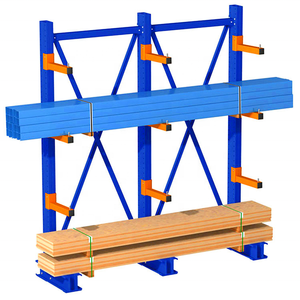
Engineered Heavy-Duty Cantilever & Logistics Racks

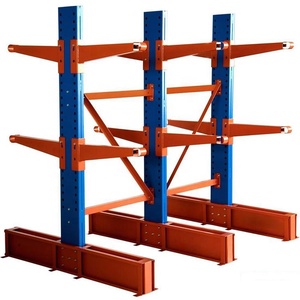
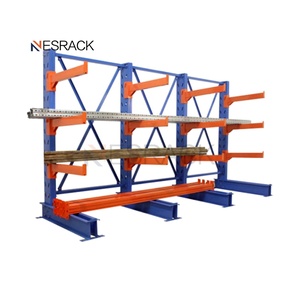
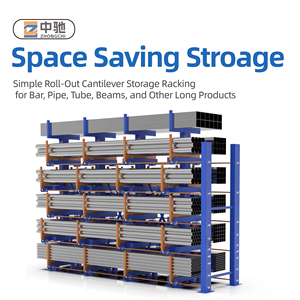
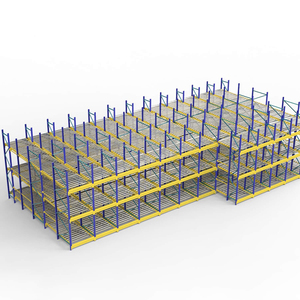
From standard single/double-sided mechanical storage to advanced motorized telescopic pipe racks and gravity-assisted systems, each solution is certified for harsh industrial environments.
Strategic Procurement Insights

Future Procurement & Technological Trends in Cantilever Racking

How intelligent metallurgical design, seismic-resistant engineering, and automation are reshaping capital expenditure decisions for global logistics managers.

1. Telescopic & Motorized Arm Integration

Traditional cantilever setups require extensive operational aisle widths (often 4 to 6 meters) to allow side-loading forklifts or conventional counterbalance trucks to maneuver long extrusions. The global procurement vector is shifting rapidly toward crank-operated or electro-mechanically driven telescopic cantilever systems.

By extending arms into the aisle via overhead gantry crane access, floor aisle footprints are virtually compressed to zero, boosting cubic warehouse utilization by up to 80% in high-cost distribution metropolitan hubs.

ROI Impact: -45% Floor Space Consumption

2. High-Yield Metallurgy vs. Roll-Formed Profiles

Sourcing strategies now differentiate strictly between cold roll-formed C/U-profiles for intermediate loads (under 800kg/arm) and heavy-duty hot-rolled structural H-beams (IPE, HEA, or European wide-flange standards) for steel mills and pipe staging operations exceeding 3,000kg to 5,000kg per arm.

Structural H-beams provide superior moment-resisting characteristics under catastrophic point-loading and seismic shock, offering reliable ductile elongation rather than abrupt structural buckling.

Yield Strength: Q355B Hot-Rolled Standards

3. Automated Guided Vehicles (AGV) & Crane Symbiosis

The convergence of automated cantilever warehouses with autonomous guided vehicles (AGVs) equipped with multi-directional multidirectional sideloader carriages is dictating tighter manufacturing tolerances.

International tenders now reject traditional ±3.0mm arm deflection standards, requiring cold punching tolerances under ±0.5mm to allow automated optical and laser-guided robotic picking systems to seat steel bundles without snagging safety stops.

Precision Spec: ±0.5mm Laser Indexing

4. Seismic Dissipation Base Engineering

Procuring cantilever racking in seismic fault regions (e.g., Japan, Philippines, West Coast Americas, Turkey) mandates flexible, energy-dissipating bolted column-to-base connections. Fixed rigid welds frequently crack under dynamic oscillatory loading. Modern export configurations utilize high-tensile Grade 8.8 and 10.9 structural bolts that allow micro-flex energy dispersion.

Tested to: RMI & FEM 10.2.02 Standards

5. Dual Anti-Corrosion Galvanization

For outdoor storage of construction timber, PVC piping, and structural rebar, standard epoxy electrostatic coatings fail within 24 to 36 months under UV exposure and rain runoff. Strategic procurement has gravitated toward Hot-Dip Galvanizing (ISO 1461 compliant, 85µm+ coating), which seals column interiors and provides sacrificial cathodic protection against coastal salt air.

Outdoor Longevity: 25+ Year Service Life

6. Total Cost of Ownership (TCO) Procurement

Savvy global purchasers analyze total landed cost including container packaging optimization. Disassembled knock-down (KD) cantilever bases cut ocean freight volumes by 40% compared to pre-welded bases. High packing density per 40ft High Cube container significantly minimizes the landed cost per storage position.

Logistics: Knock-Down Packaging Density
Guangzhou HEDA Shelves Co., Ltd.

Industrial Scale & Engineering Credibility (E-E-A-T)

Established in 2001, Guangzhou HEDA Shelves operates a state-of-the-art 30,000 square meter intelligent manufacturing plant, serving world-class contractors, retailers, and 3PL warehousing hubs across 120+ sovereign markets.
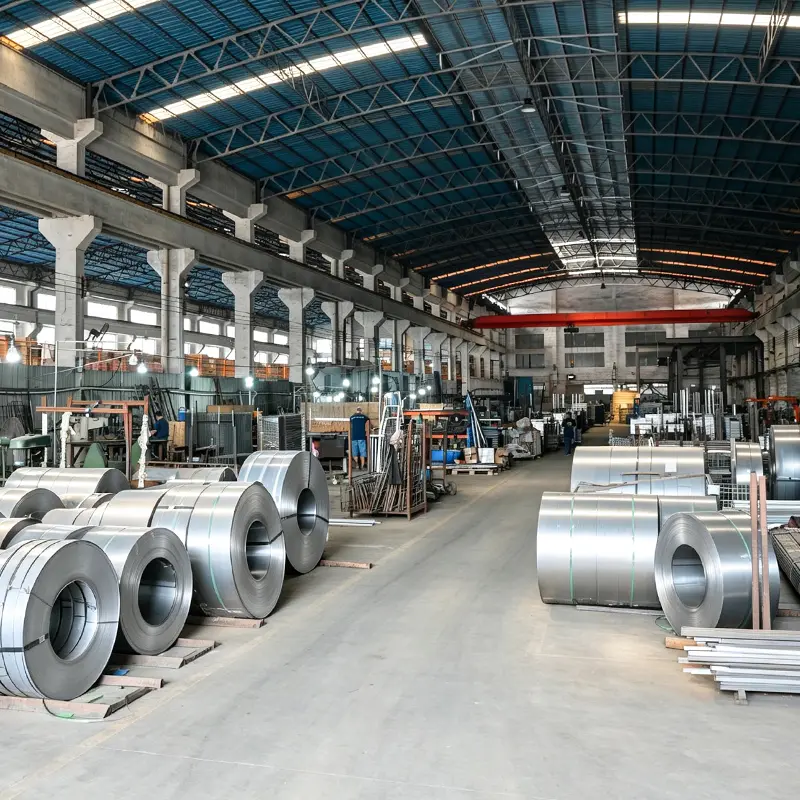
25 Years Industry Expertise in Warehouse Storage

25+ Years of Structural Innovation

Over two decades of precision structural calculations. Our engineering unit delivers turnkey statics reports, FEA stress simulations, and customized seismic profiles.
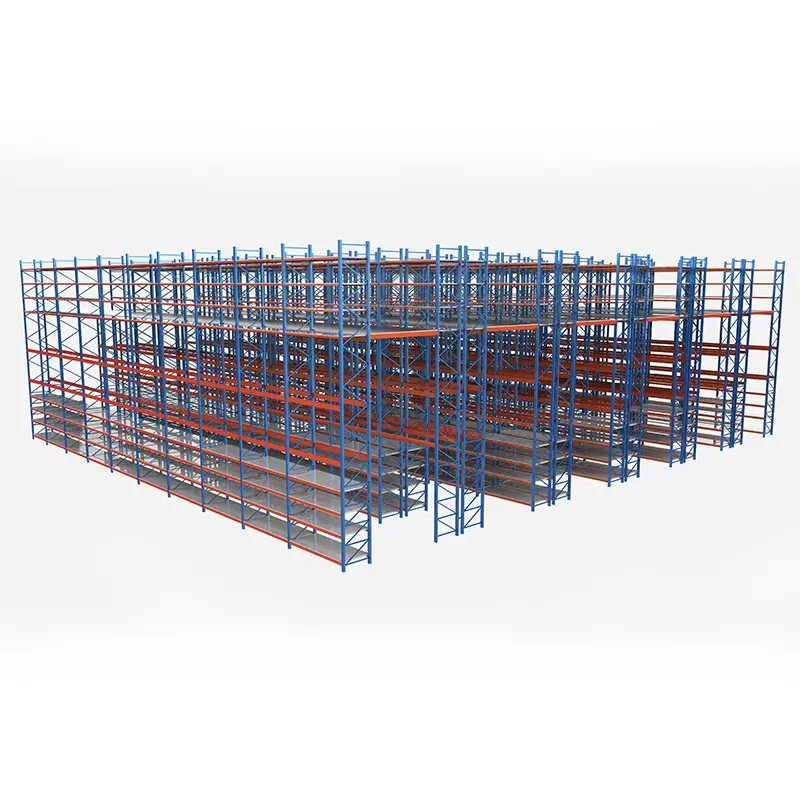
Free 3D CAD Design and Structural Engineering

Rapid 24–48h CAD & 3D Modeling

Direct interaction with English-fluent project engineers. We supply comprehensive AutoCAD floor layouts, Revit/BIM files, and dynamic 3D warehouse renderings at no preliminary cost.
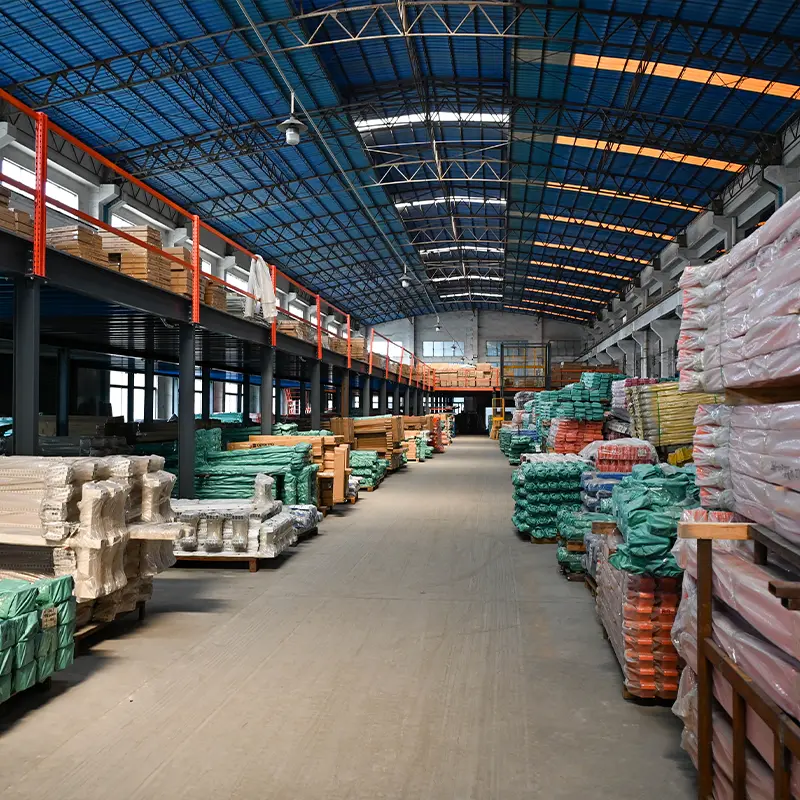
Strict Multi-Stage Quality Control on Racking Components

Automated 10-Step Quality Regimes

From raw Baosteel coil metallurgical verification and robotic CO2 protective welding to pickling, phosphating, and lead-free electrostatic powder curing, every part is tracked.
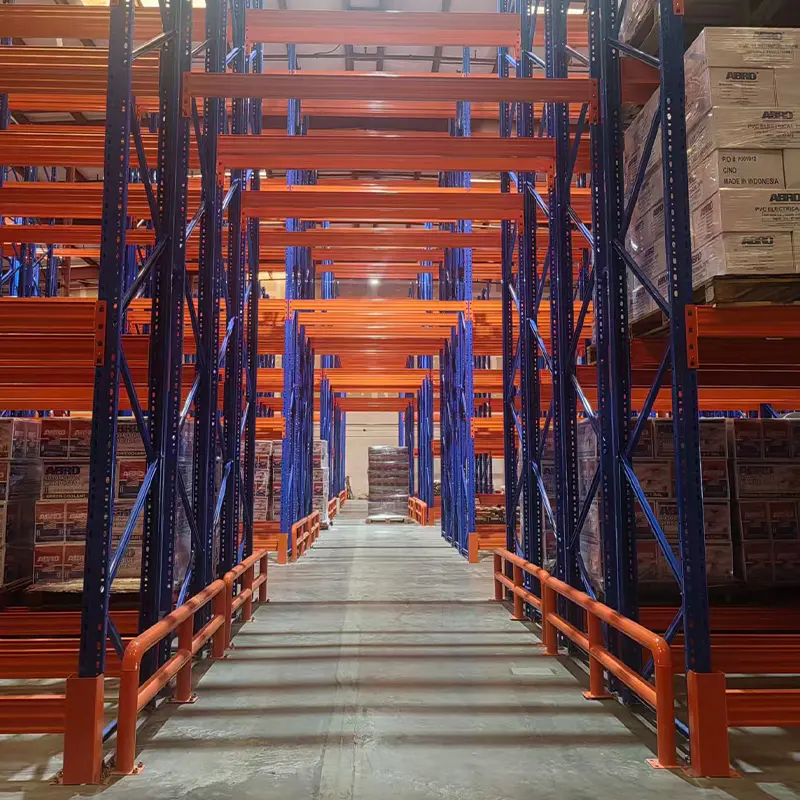
Custom Racking Engineering for International Markets

Custom OEM/ODM System Execution

Custom upright hole spacing (50mm/75mm/100mm/140mm), unique RAL powder matches, dual-function canopy trusses for yard storage, and tailored private-label branding for regional master distributors.

Need Structural Statics or a Customized Tender Proposal?

Our senior warehouse planning engineers calculate precise load capacities, moment arm stresses, and anchor bolting plans based on your SKU physical dimensions and floor slab PSI ratings.

Procurement Knowledge Base

Frequently Asked Questions (FAQ)

Clear, direct answers regarding cantilever design, load ratings, export shipping safety, and international quality standards.

How do you calculate safe load capacity per arm in a cantilever racking system?
Cantilever capacity is calculated based on Uniformly Distributed Load (UDL) across the active length of the arm. It is critical to never confuse point-loading with distributed loading. For example, an arm engineered for 1,000 kg UDL can experience fatal bending deflection if a 1,000 kg concentrated load is placed at its outer cantilever tip, where the bending moment (Torque = Force × Distance) is maximized. Our engineers utilize finite element analysis (FEA) compliant with EN 15512 and ANSI/RMI MH16.1 standards, providing certified load plaques that detail both arm capacity and total column tower capacity.
What is the key difference between roll-formed and structural H-beam cantilever racks?
Roll-Formed Cantilever: Cold-rolled from sheet steel coils into specialized C or Omega profiles. This is highly cost-effective for light to medium duty applications (e.g., lightweight aluminum extrusions, PVC conduit, furniture, 200–800kg/arm).

Structural H-Beam Cantilever: Fabricated from heavy-gauge hot-rolled structural steel beams (Q355B or ASTM A36). Designed for high-impact industrial applications, steel billets, heavy timber, iron castings, and large-diameter steel pipe stacks. Capable of supporting over 3,000kg to 5,000kg per arm, offering robust impact resistance against forklift mast collisions.
Can cantilever racks be installed outdoors, and what surface finish is recommended?
Yes. Outdoor cantilever racks are extensively used for lumber yards and building material suppliers. For outdoor deployment, standard electrostatic powder coating is insufficient. We strongly engineer systems with Hot-Dip Galvanizing (HDG) under EN ISO 1461, achieving a minimum zinc coating thickness of 70–85 microns. Additionally, HEDA Shelves can equip the rack columns with roof truss brackets and water run-off slopes to convert the racking structure into an open-sided storage shed (rack-clad canopy), providing weather protection without requiring a separate building permit.
How are cantilever racking components packed to prevent transport damage and reduce sea freight costs?
Uprights and bases are designed in knocked-down (bolted KD) modular formats rather than fully welded units unless specifically requested. Columns and bases are nested with protective corrugated cardboard spacers, bubble wrap, and steel strapping over custom wooden dunnage blocks. Arms and horizontal/diagonal X-bracing are bundled on dedicated pallets for smooth unloading via forklift. This rigorous packing scheme maximizes 40ft High Cube container volumetric efficiency, minimizing freight cost per ton and preventing scratching or bending during ocean voyages.
What documentation and certifications are provided for commercial project compliance?
Guangzhou HEDA Shelves provides a complete documentation package for municipal permitting and engineer-of-record approval. This includes: CE Certification (CPR 305/2011 standard), ISO 9001:2015 Quality Management documentation, Mill Test Certificates (MTC) proving Q235B/Q355B yield and tensile strengths, structural static calculation sheets, and detailed 3D step-by-step CAD installation schematics.
Get Catalog