25+
Years Engineering Expertise
30,000m²
State-of-the-Art Factory Plant
30,000t
Monthly Structural Output Capacity
120+
Global Tier-1 Distribution Markets
Enterprise Product Portfolio
High-Density Industrial Storage & Specialized Tire Rack Systems
Manufactured from structural Q235B high-grade steel, our systems deliver maximum load reliability, modular adjustability, and robotic-welded joint resilience for rigorous operations.
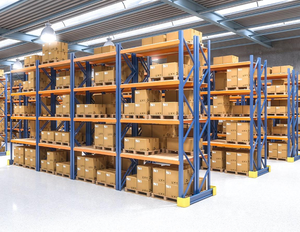
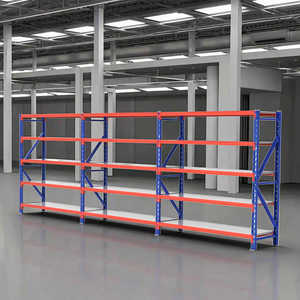
Industrial Warehouse Storage Racking System Corrosion Protection Heavy Duty 3Tons Pallet Racking
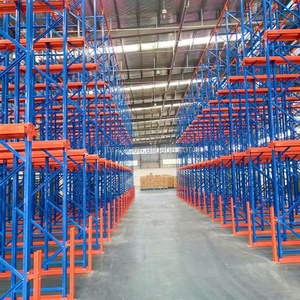
Wholesale Price Industrial Storage Shelf Drive-In Rack Steel Stacking Pallet Racking
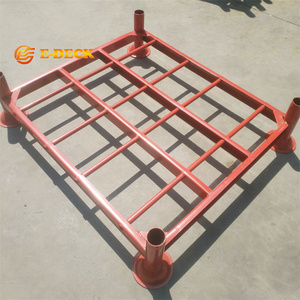
Heavy-Duty Steel Metal Logistic Stackable Storage Post Pallet Racks
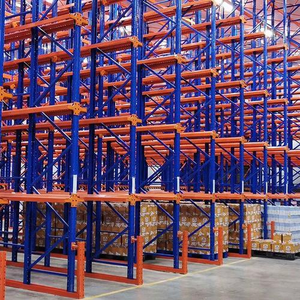
EBILMETAL 5 Steel Very Narrow Aisle Pallet Racking | OEM/ODM Adjustable Heavy Duty VNA Racking
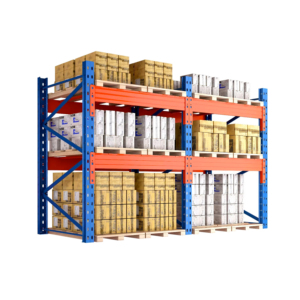
Heavy Duty Steel Warehouse Rack Anti-Rust Multi-Functional Narrow Aisle Racking
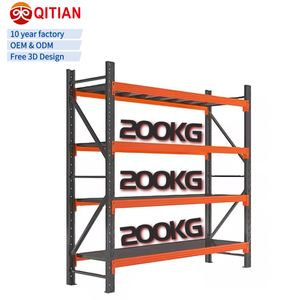
Factory Customized Steel Industrial Storage Shelves 4 Layer Warehouse Rack System
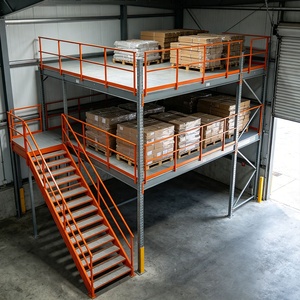
Custom Steel Mezzanine Platform Industrial Storage Mezzanine Floor Multi-Level Warehouse Platform
Industry Whitepaper & Technical Insights
Engineering Principles of Industrial Tire Rack & Warehouse Structural Systems
An in-depth structural perspective on weight distribution, deformation management, seismic anchoring, and intralogistics durability for enterprise tier distribution centers.
1. Kinematic Restraint & Tread Deformation Management in High-Density Tire Stacking
Unlike standard uniform pallet loads (UDL), tire storage poses unique structural challenges characterized by non-uniform point-contact pressure and elasticity. Horizontal barrel-stacking leads to lower-tier sidewall compression, leading to structural bead set and casing fatigue. OEM industrial tire racks eliminate compression issues through calibrated angled cross-beams (typically between 40° to 52° depending on Passenger Car Radial vs. Commercial Truck/Bus TBR casing diameters).
By shifting contact stresses away from center treads toward the outer shoulder zones, our cold-formed steel profiles distribute weight evenly. When integrated into multi-tier post-pallet stacking configurations, structural column-to-cup nesting interfaces handle dynamic sway forces during 4-to-6-tier stack maneuvers, preventing collapse under harmonic warehouse vibrations.
2. Surface Pretreatment: Pickling, Phosphating, and Electrostatic Coating Under ISO 12944
Warehouse installations in coastal, humid, or sub-tropical industrial environments face accelerated oxidation. Untreated steel surfaces quickly degrade along punched connection slots and welded seams. Our comprehensive 10-step finishing regimen incorporates automated immersion pickling to remove mill scale, followed by hot zinc-phosphate immersion conversion.
This creates a microscopic crystalline barrier that enhances mechanical adhesion for electrostatic thermosetting polyester powder coatings. The finished coating provides exceptional impact resistance, 500+ hours of ASTM B117 salt-spray protection, and compliance with RoHS directive parameters for clean, emission-free storage environments.
3. Seismic Calculations, Punching Geometry, and European EN 15512 Standards
Our upright engineering uses continuous CNC multi-stage cold roll-forming with precisely balanced omega-profile columns. The diamond and teardrop punching geometries maintain cross-sectional steel integrity while allowing 50mm and 75mm beam adjustability. For projects located in seismic zones (such as Indonesia, the Philippines, Japan, and coastal corridors), load calculations include base plate thickness, seismic back-to-back ties, and chemical anchor embedment depths to ensure compliance with EN 15512 and RMI standards.
Strategic Procurement Guide
Future Procurement Trends in Industrial Tire Logistics & Racking
How supply chain leaders are optimizing capital expenditures (CapEx) and operating margins in modern tire logistics facilities.
Foldable & Modular Stackable Post Pallets
Tire distribution runs on seasonal demand cycles between summer, all-season, and winter tread replenishment. Fixed racking creates underutilized overhead space during off-peak periods. Modern procurement focuses on foldable post pallet racks that can be collapsed down to a 4:1 return ratio, minimizing freight costs on reverse logistics and freeing up valuable floor space.
Shift from Static to Vertical High-Density (VNA & Mezzanines)
With warehouse industrial real estate lease costs escalating globally, facilities are moving away from traditional 3.5-meter wide forklift aisles. Facilities are transitioning to Very Narrow Aisle (VNA) systems and multi-tier picking mezzanines that expand vertical cube utilization up to 14 meters, cutting floor footprint needs by more than 45%.
Total Lifecycle Costing Over Initial Purchase Price
Leading supply chain procurement teams are shifting focus away from lowest-bid spot sourcing toward verified structural resilience. Poor surface finishing and substandard gauge metals lead to joint failure under heavy use. Long-term buyers prioritize ISO 9001:2015 traceability, automated robotic weldments, and certified load capacities.
Industry 4.0 & Automation
Key Development Trends in Tire Storage Technology
The convergence of automated materials handling (AMH), autonomous mobile robotics (AMR), and intelligent spatial tracking.
Autonomous Mobile Robot (AMR) Under-Ride Integration
Next-generation tire post racks are engineered with reinforced ground clearances and alignment guides. This allows autonomous under-ride mobile robots to lift, transport, and stack tire cassettes directly from assembly lines to dispatch staging bays without manual forklift intervention.
Automated Storage and Retrieval (ASRS) Pallet Shuttles
Deep-lane radio shuttle systems are increasingly adapted for bulk industrial tire storage. Automated radio-controlled shuttles navigate high-density structural channels to store and retrieve tires smoothly, protecting rubber compounds and bead structures while boosting FIFO throughput.
Traceability Integration (RFID & WMS Barcode Mounts)
Modern custom tire racks now feature integrated RFID transponder pockets and protected barcode scanning surfaces. This keeps tracking identifiers legible and protected from forklift scuffs, giving warehouse management systems (WMS) real-time visibility across complex SKU assortments.
Enterprise Manufacturing Capabilities
Why Tier-1 Global Distributors Partner with HEDA Shelves
Combining 25+ years of precision manufacturing, certified engineering safety, and end-to-end direct factory supply.
Full In-House Manufacturing Control
Our 30,000 square meter Guangzhou facility manages the entire production cycle under one roof—from raw steel coil inspection, CNC punching, precision cold-bending, and robotic welding, to phosphating and electrostatic powder coating. This ensures complete oversight of production timelines, structural tolerances, and batch-to-batch quality.
Certified Quality: CE & ISO 9001:2015
All HEDA storage systems comply with international quality standards. We maintain CE Certification (No. 2435-CPR-8605159), ISO 9001:2015 Quality Management (No. 18624Q00169R0M), and complete RoHS environmental compliance for surface treatments, delivering verified documentation for municipal permits and client tenders.
Free 2D CAD & 3D Engineering Layouts
Our experienced application engineering team provides free 2D CAD placement blueprints, static load capacity verifications, and 3D architectural renderings within 24 to 48 hours. We optimize aisle widths, column placements, and clear heights before steel fabrication begins, ensuring smooth installation on site.
Global Logistics & Container Packing Optimization
Operating adjacent to South China deepwater ports, we ship to over 120 countries across Southeast Asia, North America, Europe, and the Middle East. Every order includes an engineered 3D container packing plan to maximize volume, protect powder finishes, and reduce freight costs per pallet position.
Procurement Knowledge Base
Frequently Asked Questions by Industrial Racking Buyers
Key technical answers regarding load ratings, custom finishes, seismic engineering, and global logistics.
What are the key parameters required for custom OEM tire rack engineering?
To generate an accurate CAD layout and load calculation report, our structural engineers require: (1) Minimum and maximum tire outside diameter (OD), sidewall width, and individual tire weight; (2) Preferred orientation (vertical tread-rest or horizontal barrel stack); (3) Target stacking height (free-standing 4-high, 6-high post-pallet or bolted warehouse frame); (4) Material handling equipment specifications, such as forklift mast height, turning radius, and guide rail constraints; (5) Facility site drawings detailing clear ceiling clearance and floor slab load capacity.
How does HEDA prevent tire deformation during extended warehouse storage?
Tire deformation usually happens when tires are stored horizontally under heavy multi-tier stacks, which compresses the bead and sidewall structures of lower units. Our OEM tire racks utilize precision-angled supporting rails that cradle each tire along its shoulder curves. This balances point-load pressures and maintains roundness over long seasonal storage cycles, meeting OEM factory quality requirements.
What steel grades, welding protocols, and certifications apply to your production?
We use certified Q235B and Q355B prime hot-rolled structural steel coils sourced from top domestic mills. All welding complies with ISO standard penetrations and is carried out by automated multi-axis robotic welders. Production runs are certified under ISO 9001:2015 Quality Management standards and CE Certification (No. 2435-CPR-8605159), with mill test certificates (MTC) and non-destructive weld testing provided for client projects.
Can your systems be engineered for seismic zones and extreme tropical humidity?
Yes. We routinely engineer projects for high-seismic regions throughout Southeast Asia and the Pacific Rim. Upright frames, base-foot plates, dynamic bracings, and anchor points are calculated to local seismic codes. To protect against humidity, all steel components undergo pickling and zinc-phosphating pretreatment before epoxy-polyester powder coating. For outdoor, coastal, or cold-storage environments, we also offer complete hot-dip galvanizing per ISO 1461.
What are your production lead times and shipping turnaround schedules?
Standard 2D CAD engineering plans and 3D concept visualizations are completed within 24 to 48 hours. Following design sign-off, factory production generally takes 15 to 25 business days depending on order tonnage. With our factory located near major Guangzhou and Shenzhen international shipping terminals, sea freight shipments connect directly to regional Asian ports within 4 to 10 days, and North American or European destinations within 18 to 32 days.
Accelerate Your Intralogistics Efficiency Today
Connect directly with our engineering team for a complimentary structural assessment, load calculation, and tailored CAD layout design for your tire distribution or warehouse facility.
Contact Us