Components
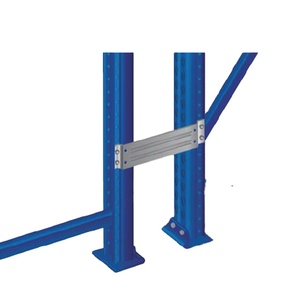
Engineered cold-formed steel frameworks, adjustable beams, and automated live-storage accessories tested for extreme load dynamics and long lifespan.
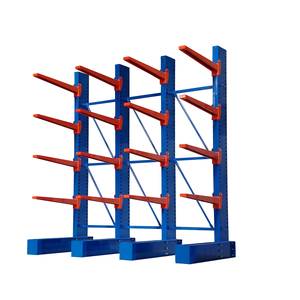
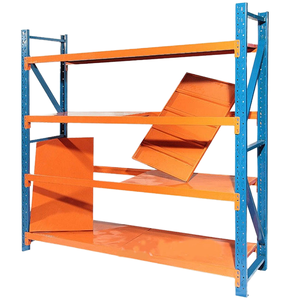
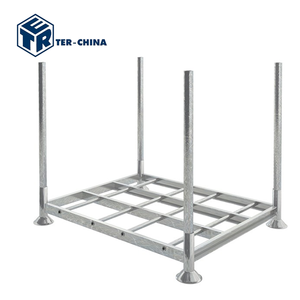
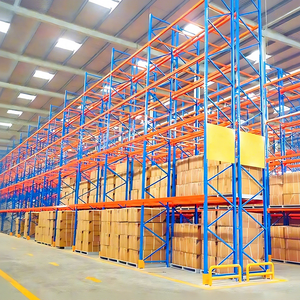
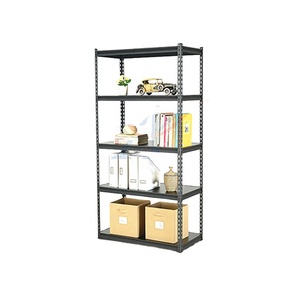
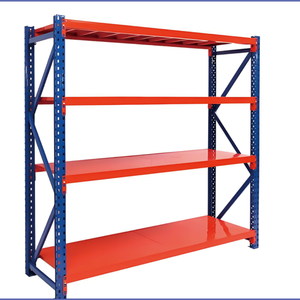
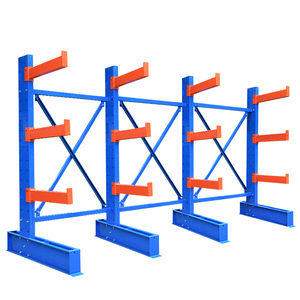
Gravity racking systems—widely recognized across logistics distribution centres as Pallet Flow, Dynamic Live Storage, or Gravity Roller Racking—represent the pinnacle of passive automation. By harnessing the physical force of earth's gravity, these systems convey palletized unit loads along slightly inclined cylindrical roller beds or skate wheel tracks from the rear charging (loading) aisle to the front discharging (picking) face. This creates a rigorous, uncompromised First-In, First-Out (FIFO) material movement without requiring electric conveyor drives, continuous wiring, or internal forklift maneuvering within the storage lanes.
Factory-standard pallet flow lanes fabricated at our Guangzhou facility are calibrated precisely at a 3% to 4% decline gradient (approximately 35 to 40 mm per linear meter). This engineered slope overcomes static wheel friction while preventing uncontrolled kinetic acceleration, maintaining a constant gliding speed between 0.2 m/s and 0.35 m/s through intermediate centrifugal speed controllers.
A primary failure point in non-standard gravity flow installations is uncontrolled kinetic momentum. Heavy pallets (typically 1,000 kg to 1,500 kg) running down deep lanes of 10 to 20 pallet positions can accumulate lethal impact energy. To safeguard racking uprights, pallet framing, and sensitive goods, our production integrates self-actuating centrifugal brake rollers at calculated intervals along the live lane. When pallet speed crosses nominal thresholds, interior centrifugal brake pads expand against the roller cylinder shell, introducing a proportional resistive force. Additionally, at the front discharge station, high-tensile steel separation stops and spring-cushioned end-stops detach the lead pallet from the following line of accumulating pallets, permitting zero-pressure forklift extraction.
Unlike standard static racking where deflection occurs primarily along the vertical plane, gravity flow systems endure combined multidirectional stresses: dead weight deflection, rotational torsional stresses from rolling pallets, and abrupt dynamic impact loads during charging. Our manufacturing protocol relies exclusively on prime Baosteel/Shougang Q235B and Q355B high-yield structural coil. Through our 10-step precision roll-forming lines, upright columns feature continuous multi-bend profiles that elevate structural moment of inertia (Ix and Iy) by up to 28% compared to common commercial C-channels. Surface integrity is protected via hot pickling, zinc phosphating, and electrostatic epoxy-polyester thermosetting powder coatings cured at 200°C to withstand extreme friction, cold-chain condensation, and chemical exposures.
Strategic purchasing managers and warehouse logistics directors must align capital expenditure with evolving supply chain disruptions and warehouse automation trajectories.
Procurement is pivoting rapidly from standalone gravity racks toward hybrid solutions where automated stacker cranes (AS/RS) or high-speed AGVs charge gravity buffer tracks. Gravity flow modules serve as passive accumulation buffers that slash robot cycle times while delivering absolute FIFO velocity in outbound picking docks.
With sub-zero refrigerated storage real estate costs skyrocketing in hubs like Singapore, Tokyo, and Dubai, companies cannot afford wide forklift operating aisles. Gravity pallet flow eliminates redundant transit lanes, packing 60% more perishable inventory into refrigerated footprints while maintaining instant pallet turnover.
The next generation of dynamic live storage incorporates low-power rolling-resistance monitors and optical lane sensors. By tracking pallet descent times and lane occupation levels via real-time WMS telemetry, warehouse operators identify sluggish pallet movement or roller fouling before stoppages occur.
Operating a modernized 30,000 square meter plant with over 300 experienced craftsmen, mechanical engineers, and export specialists since 2001.
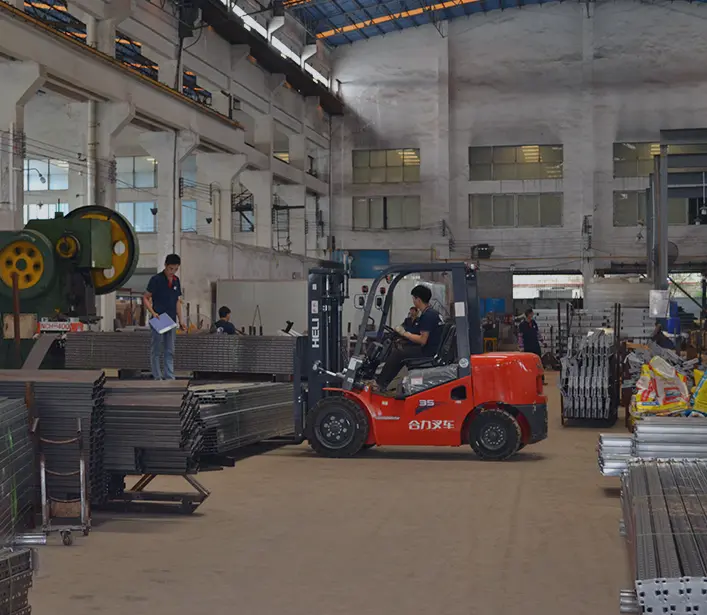
High-speed, cold-roll multi-station lines shaping continuous upright columns and live-roller side channels with sub-millimeter tolerances.
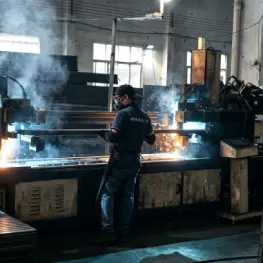
Robotic arms performing continuous, argon-shielded structural seams on beam connectors, shelf clips, and dynamic lane brackets.
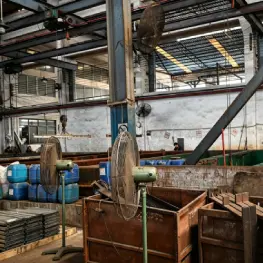
Multi-stage chemical pre-treatment removing surface mill scale and oil, generating an anti-corrosion barrier that enhances powder adhesion.
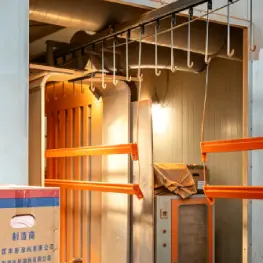
Fully automated powder booths applying RoHS-certified epoxy-polyester coatings with computerized thermal baking at 200°C.
Serving EPC contractors, distributors, and logistics firms across 120+ countries, HEDA Shelves provides fully certified engineering calculations compliant with FEM 10.2.02, EN 15512, and RMI specifications. For clients located in high-seismic active zones across Southeast Asia and the Pacific Rim (e.g., the Philippines, Indonesia, Japan), our engineering team conducts finite element stress simulations (FEA), optimizing baseplate thicknesses, anchor embedment depths, and structural back-bracing frames.
Essential engineering and logistics clarifications addressing common pain points during the international RFP and design phase.
Collaborate directly with our senior warehouse systems architects. Submit your building CAD floor plan, pallet dimensions, load spectra, and throughput targets to receive a comprehensive structural proposal and 3D rendering within 24 to 48 hours.
Direct wholesale factory quotations & project consulting
Contact Us