Industrial Pallet Racking Systems & Heavy-Duty Storage Configurations
Direct from the manufacturer: certified cold-formed structural steel racking systems precision-designed to optimize cubic density across Cairo, Alexandria, 10th of Ramadan, and Suez Canal Economic Zone (SCZone) distribution hubs.
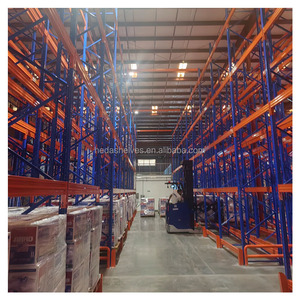
Industrial Warehouse Conventional Pallet Rack Storage System
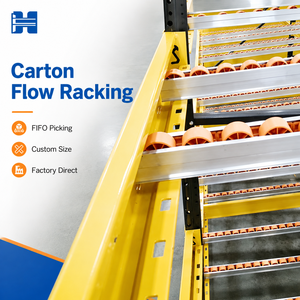
Flow Through Shelving Gravity Flow Storage Project Configuration
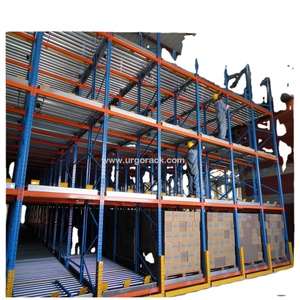
High Efficiency Order Picking Gravity Flow Roller Racking System
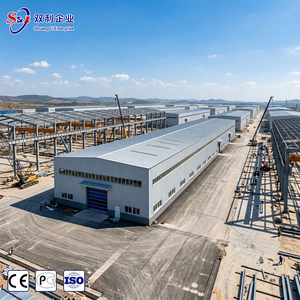
Steel Warehouse Storage Rack Systems with Shelving Units and Stairs
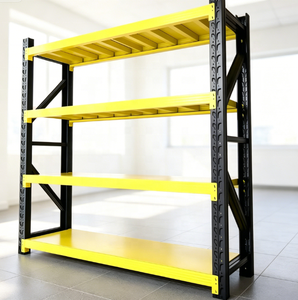
Boltless Adjustable Heavy Duty 500kg/Layer Steel Storage Shelf Racking
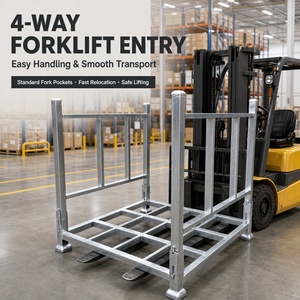
Stackable Pallet Frame Portable Stacking Rack Warehouse Storage System
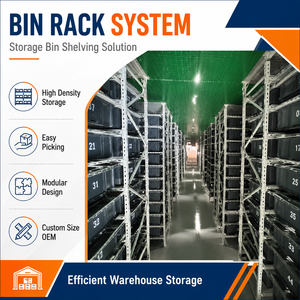
Mini Load ASRS Tote Storage Automated Bin Racking System
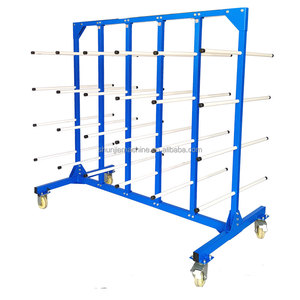
Customized 5 Tiers Double-Sided Cantilever Racking Long Arms Cart
The Structural Transformation of Egypt's Industrial Warehousing Ecosystem
Analyzing the intersection of Egypt Vision 2030, industrial corridor expansion, and the technical necessity for high-density heavy-duty pallet racking systems.
The Arab Republic of Egypt is undergoing one of the most comprehensive infrastructural and industrial transformations in its contemporary history. Driven by the ambitious tenets of Egypt Vision 2030, the nation is actively consolidating its geographic destiny as the premier multimodal logistics hinge connecting Afro-Eurasian trade corridors. The continuous capitalization into mega-projects—specifically the expanding industrial zones of the Suez Canal Economic Zone (SCZone), 10th of Ramadan City, 6th of October City, Sadat City, and Borg El Arab—has catalyzed unprecedented demand for modern, high-clearance Grade-A warehouse facilities.
Historically, Egyptian manufacturing operations and commercial wholesale enterprises relied heavily on block stacking and rudimentary, low-gauge angle-iron shelving. However, soaring industrial land valuations in Greater Cairo and the Nile Delta, combined with escalating warehouse leasing costs per square meter, have forced Egyptian supply chain executives to look vertically. Modern logistics operators, third-party logistics (3PL) conglomerates, FMCG giants, and pharmaceutical distribution networks can no longer afford unutilized air rights. Maximizing volumetric utilization via high-density engineered pallet racking systems has shifted from a capital luxury to a core operational survival mandate.
Furthermore, the astronomical growth of Egyptian domestic e-commerce—led by marketplace platforms like Amazon Egypt, Noon, and regional quick-commerce fulfillment operators—has mandated drastic shifts in SKU velocity, sorting throughput, and storage selectivity. Fast-moving consumer goods require sophisticated FIFO (First-In, First-Out) discipline, while heavy industrial distributors in steel, plastics, construction chemicals, and automotive assemblies demand rigid, seismically calculated weight capacities capable of sustaining loads upwards of 1,000 kg to 4,500 kg per beam tier.
Navigating this landscape requires more than procuring off-the-shelf metal frames. As Egyptian enterprises face unique climatic ambient heats often exceeding 42°C in desert-perimeter industrial zones, severe dust-particulate infiltration, and high coastal atmospheric salinity around Alexandria and Port Said, racking systems must be rigorously engineered using verified raw structural steel, high-adhesion anti-corrosion chemical pretreatments, and European standard load tolerances (such as FEM 10.2.02 and EN 15512).
| Racking System Type | Floor Space Utilization | Pallet Selectivity | Stock Rotation Strategy | Optimal Egyptian Application Sector |
|---|---|---|---|---|
| Selective Pallet Racking | 40% – 50% (Standard Aisles) | 100% Immediate Access | FIFO / LIFO Flexible | 3PL Distribution Centers, Retail Hubs in 6th of October City |
| Radio Shuttle Cart Racking | 75% – 85% (Ultra-Dense) | Lane Dependent (Low-Med) | Configurable FIFO or LIFO | Cold Storage Logistics in Alexandria, Dairy & Beverage Plants |
| Drive-In / Drive-Through | 65% – 75% (Aisle-less) | Low (Bulk Batches) | Strict LIFO (Drive-In) / FIFO | Raw Commodity Warehouses, Seasonal Agricultural Harvests |
| Pallet Flow (Gravity Roller) | 70% – 80% (Dynamic Lanes) | High per SKU lane | Strict Automatic FIFO | Pharmaceutical DCs in Obour City, Perishable Food Processing |
| Multi-Tier Mezzanine Floors | Up to 200% – 300% Multiplied | 100% Manual Hand-Pick | Bin / Carton Specific | Automotive Aftermarket Spares, Apparel & E-Commerce Sorting |
Localized Pallet Racking Application Scenarios Across Egypt
How leading industrial clusters across Egyptian governorates deploy customized racking architectures to solve specific logistical friction points.
10th of Ramadan City: Heavy Manufacturing & FMCG
As Egypt’s flagship industrial powerhouse, 10th of Ramadan houses multinational chemical plants, food processors, and heavy ceramics manufacturing. Operations require reinforced Heavy-Duty Conventional Pallet Racks fitted with wire mesh decks and drop-in pallet supports to prevent pallet deflection under heavy chemical drum and resin storage.
Suez Canal Economic Zone (SCZone) & Ain Sokhna
Operating within zero-tariff bonded free-trade zones, global maritime logistics operators require high-throughput bonded distribution solutions. Here, Very Narrow Aisle (VNA) and Radio Shuttle Systems are paired with reach trucks to maximize clear heights up to 14 meters, cutting container demurrage and accelerating re-export velocity.
6th of October City: E-Commerce Mega-Fulfillment
Serving the Greater Cairo consumer metropolis, tier-1 e-commerce operators in 6th of October City utilize integrated Multi-Tier Rack-Supported Mezzanines over selective pallet racking. This allows ground floors to manage bulk pallet replenishment while elevated floors accommodate dense shelving for bin picking and parcel dispatch.
Alexandria & Borg El Arab: Cold Chain & Agritech
Egypt's Mediterranean agricultural export hub experiences massive cold-storage power expenditures. Operators deploy Galvanized Drive-In & Mobile Pallet Racking to compress cold store cubic volumes by 80%, preserving sensitive citrus, strawberry, and frozen vegetable inventories while resisting refrigeration condensation.
Helwan & Sadat City: Metalworking & Extrusions
Heavy structural fabricators and aluminum extrusion facilities require storage for non-standard, long, unwieldy profiles. Heavy-Duty Cantilever Racks with up to 3,000 kg capacity per arm level replace dangerous ground-dumping, preventing product warping and enabling selective crane or side-loader handling.
Macro Trends Shaping Egypt's Industrial Racking Demand
Key technological and macro-economic factors compelling Egyptian warehouse developers to transition toward advanced structural storage infrastructure.
1. High-Density Retrofitting in Response to Land Leasing Spikes
Over the last 36 months, industrial land leasing rates within 50 km of central Cairo have surged dramatically. Developers and manufacturing enterprises can no longer expand warehouse footprints horizontally. The predominant trend is Vertical Optimization, wherein older 6-meter-clearance industrial structures are either retrofitted with heavy-duty structural steel mezzanines or replaced by greenfield 12-to-15-meter high-bay facilities equipped with narrow-aisle selective racking.
2. The Cold Chain Revolution Spurred by Agritech Exports
Egypt has surged as the world's leading exporter of fresh citrus and a critical supplier of frozen vegetables and strawberries to the European Union and the GCC. Storing these commodities before maritime departure from Damietta, Port Said, and Alexandria requires immense refrigerated cubic meterage. Due to extreme energy costs associated with industrial refrigeration compressors, facilities must maximize pallet storage per cubic meter. Semi-automated Radio Shuttle Cart Systems and deep-lane flow racks are rapidly displacing traditional floor stacking across modern packing stations.
3. Stringent Egyptian Civil Protection Authority (Fire Safety) Codes
Egyptian Civil Defence authorities have implemented rigorous fire compliance audits for industrial facilities. Traditional solid timber shelf decks present extreme fire propagation hazards. Modern project engineering requires cold-formed steel wire mesh decking with 70%+ open apertures to allow in-rack ESFR (Early Suppression, Fast Response) fire sprinkler penetrations. Racking layouts must incorporate dedicated flue spaces (longitudinal and transverse flue spacing of 150mm) to achieve statutory operating licenses.
4. Adoption of Semi-Automated & Mini-Load Storage
While full lights-out automation is still in early adoption phases in North Africa, semi-automation is witnessing exponential growth. Egyptian pharmaceutical warehouses (particularly in Obour City and Badr City) and automotive suppliers are integrating Mini-Load ASRS and Pallet Shuttle Carts to eliminate human picking errors, guarantee tamper-proof security, and sustain 24/7 operating cycles without proportional labor overhead.
Why Egyptian Procurement Directors Rely on HEDA Shelves
Established in 2001, Guangzhou Heda Shelves Co., Ltd. provides complete end-to-end engineering, precision roll-forming, and direct containerized delivery to Egyptian ports.
With more than 25 years of specialized storage manufacturing experience, HEDA Shelves operates a modern 30,000 m² factory equipped with automated cold-roll-forming lines, robotic CNC beam welding stations, and an environmentally compliant multi-stage phosphating electrostatic powder coating facility. We do not act as trading intermediaries; our Egyptian clients deal directly with structural racking engineers who calculate static and seismic safety factors based on real steel mechanical properties.
Our raw material is strictly sourced from premier certified steel mills, selecting premium cold-formed Q235B and Q355B structural carbon steel. Every batch of upright columns and box beams undergo rigorous mechanical tensile testing, yield strength verification, and load deflection tests in accordance with European standard FEM 10.2.02 and EN 15512 design codes. Holding both CE Certification (No. 2435-CPR-8605159) and ISO 9001:2015 Certification (No. 18624Q00169R0M), our engineering calculations provide total peace of mind for Egyptian industrial permitting.
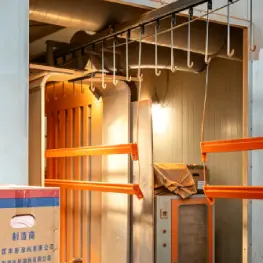
To withstand Egypt's abrasive desert environments and the saline maritime atmospheres of Alexandria and Suez, surface treatment is paramount. HEDA Shelves implements an advanced 10-step surface preparation regimen: raw cutting, precision automated punching, cold-roll bending, robotic welding, shot-blasting, chemical pickling, anti-rust phosphating, high-voltage electrostatic polyester epoxy powder coating (60-80 microns thickness), and 200°C automated baking curing. The resulting finish resists flaking, chemical exposure, and humidity-induced oxidation.
We provide all Egyptian clients with complimentary 2D CAD engineering layouts and photorealistic 3D structural renderings within 24 to 48 hours. From preliminary column grid alignment around building stanchions to customized container packing configurations designed to maximize container cubic capacity, HEDA Shelves guarantees professional, risk-free project execution from our factory floor to your warehouse slab.
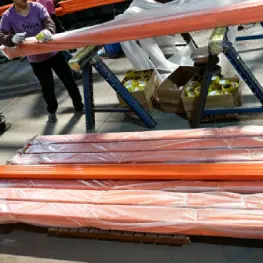
Our 10-Stage Controlled Manufacturing Cycle
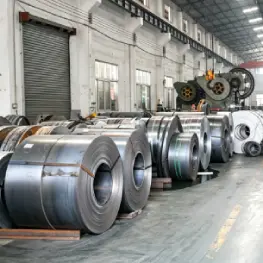 STEP 01
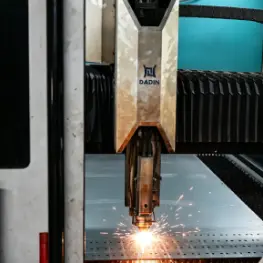 STEP 02
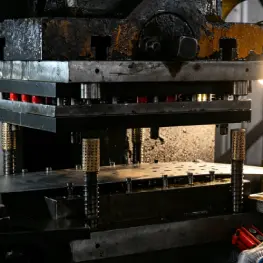 STEP 03
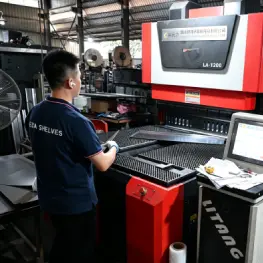 STEP 04
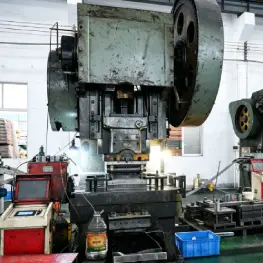 STEP 05
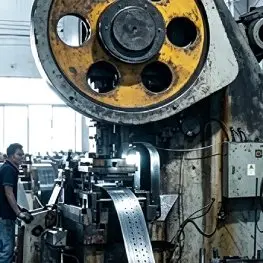 STEP 06
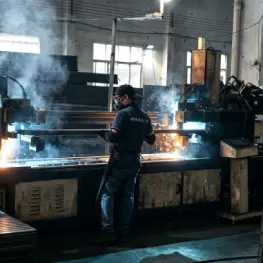 STEP 07
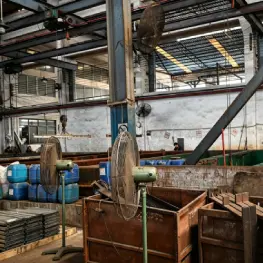 STEP 08
 STEP 09
 STEP 10
The Egyptian Procurement & Customs Clearance Guide for Heavy Racking
Step-by-step guidance on importing heavy structural steel racking systems smoothly through Egyptian ports with complete NAFEZA and ACI compliance.
1. Nafeza Platform & ACID Generation
All industrial shipments destined for Egypt must comply with the National Single Window for Foreign Trade Facilitation (NAFEZA). Before cargo departs our port in South China, our export compliance team works directly with your licensed Egyptian customs broker to register the proforma invoice, issue the 19-digit ACID Number (Advanced Cargo Information Declaration), and ensure all commercial invoices, packing lists, and bills of lading feature verified HS codes (typically 7308.90 for structural steel racking).
2. Seaworthy Packaging & Container Loading
Structural upright frames (which often reach 8m to 12m in length) require careful container stuffing calculations. HEDA Shelves provides a dedicated 3D Container Loading Simulation before dispatch, utilizing 40ft High Cube (40HQ) containers. Upright frames are securely wrapped in bubble film and corrugated corner caps, bound by heavy steel strapping with timber dunnage to prevent transit chafing across Red Sea and Mediterranean maritime voyages.
3. Port Selection & Local On-Site Rigging
Shipments are routed to your closest port of entry: Sokhna Port (ideal for Greater Cairo, SCZone, and Upper Egypt) or Alexandria / Dekheila Port (optimal for Alexandria, Beheira, and Delta regions). Every consignment includes comprehensive color-coded erection drawings, assembly manuals, torque specification sheets for anchor bolts, and load warning plaques in English and Arabic for facility compliance.
Buyer FAQ: Racking Procurement in the Egyptian Market
Direct answers to the most critical structural, financial, and regulatory questions asked by Egyptian warehouse project directors.
How do we verify that the racking floor footings will suit our Egyptian warehouse concrete slab capacity?
Can HEDA Shelves assist with Egypt's mandatory NAFEZA system and ACID documentation?
What pallet sizes are standard for racking systems in Egypt?
How do your finishes withstand Egypt’s high heat, desert sand abrasion, and coastal humidity?
Do you provide structural calculation reports for Egyptian Civil Defence approval?
How is installation handled once containers arrive at our Egyptian site?
Plan Your Egyptian Warehouse Storage System with Expert Engineers
Send us your warehouse CAD floor plan, ceiling clear height, pallet dimensions, and forklift specifications. Our engineering office will prepare a customized 2D CAD layout, 3D rendering, and detailed factory-direct quotation within 24 to 48 hours.