High-Performance Heavy Duty Rackable Pallets: Engineering Product Portfolio
Selecting the correct pallet for open-beam storage demands exact deflection verification, chemistry compatibility, and interface sizing. Below are our four core heavy duty rackable pallet categories configured to pair directly with modern racking infrastructures.
Steel-Reinforced Rackable Plastic Pallets
Molded with premium virgin HDPE/PP embedded with 4 to 8 internal zinc-coated structural steel rods. Eliminates sag across open beam spans in high-bay selective pallet racks.
Heavy Duty Structural Steel Pallets
Engineered from Q235 cold-rolled and tubular steel profiles with robotic fillet welds. Built for extreme payloads, high-heat metallurgy, machinery parts, and hazardous chemical staging.
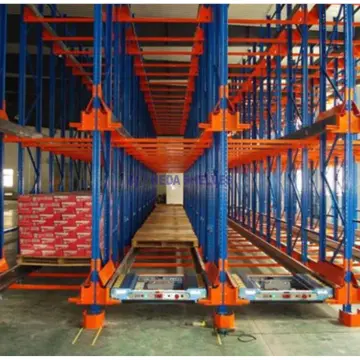
Full-Perimeter Base Shuttle Pallets
Equipped with a cruciform or 6-runner cross perimeter bottom deck. Provides smooth roller contact along radio shuttle guidance tracks, chain-driven transfer conveyors, and VNA rail guides.
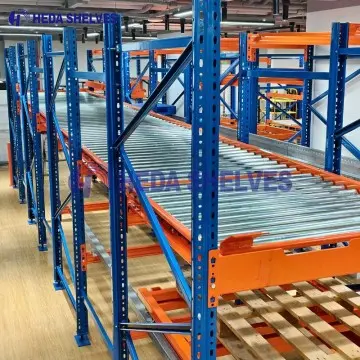
Hygienic Solid-Deck Cold Room Pallets
Completely closed smooth-surface deck with zero hidden cavities, preventing bacterial buildup. Formulated to retain ductility down to -30°C in food blast freezers without thermal embrittlement.
Why Racking Load Capacity Differs Radically from Static or Dynamic Ratings
For warehouse operations directors and global procurement managers, the most catastrophic failure mode in vertical storage occurs when buyers mistakenly evaluate pallets based purely on their Static or Dynamic ratings rather than verified Edge-Racking Load (ISO 8611) criteria.
When a pallet rests on a concrete floor, its downward gravitational force is absorbed directly across its entire base area. In dynamic transport via forklift or pallet jack, the forks physically bridge and support the central load-bearing stringers. However, when loaded onto open rack beams, the pallet is suspended exclusively along two narrow opposing beam lips, leaving the center unsupported across spans ranging from 1,000 mm to 1,200 mm.
Without integrated structural reinforcement—such as recessed internal steel tubes or precision cold-formed steel chassis members—even premium virgin polymers undergo molecular creep. This progressive elastic deformation creates a downward bow. If center deflection surpasses the critical industrial safety threshold of L/100 (10 mm flex on a 1,000 mm span) or the automated tolerance of L/120 to L/150, the pallet runs the direct risk of sliding between the beam levels or triggering catastrophic conveyor jams in automated storage systems.
Future Procurement Trends for Heavy Duty Rackable Pallets
Global supply chains are transitioning rapidly from transactional pallet purchasing toward digitally integrated, circular asset lifecycle models. International procurement teams evaluate pallet assets through four distinct strategic vectors.
ASRS Precision & Flatness Consistency
As automated cranes, automated guided vehicles (AGVs), and high-density radio shuttle systems replace manual counterbalanced forklifts, dimensional tolerances must fall below ±1.5 mm. High-density rackable pallets must guarantee permanent deck planarity and zero runner bowing to prevent photobeam misalignments and shuttle shuttle stall conditions.
IoT Tracking & RFID Cavity Integration
Modern enterprises increasingly reject single-way expendable pallets in favor of permanent pooling loops. Next-generation heavy duty rackable pallets incorporate molded-in RFID pockets, LoRaWAN transmitters, and QR-barcoding channels to track inventory locations, monitor sub-zero cold chain temperatures, and manage dynamic automated dispatch.
Closed-Loop Circularity & ESG Compliance
Stricter global sustainability mandates are accelerating the obsolescence of chemically treated, fumigated wooden pallets subject to ISPM-15 quarantine boundaries. Buyers prioritize 100% recyclable engineering polymers and welded structural steel pallets with documented 10-year service lifespans and zero wood-boring pest liabilities.
Total Cost of Ownership (TCO) Optimization
While an advanced rackable pallet carries a higher initial capital expenditure than untreated lumber, lifecycle modeling proves break-even within 14 to 18 months. Lower replacement frequencies, complete absence of nail damage to packaging, lower fire insurance premiums, and reduced racking deck maintenance maximize long-term ROI.
The Structural Evolution of Pallet Design: Wood vs. Reinforced Polymer vs. Steel
Modern warehouse logistics have outgrown legacy wood pallet construction. The following matrix contrasts traditional and advanced structural pallet platforms across mechanical, environmental, and automated performance criteria.
| Criteria | Traditional Timber Pallet | Steel-Reinforced Plastic | Welded Structural Steel |
|---|---|---|---|
| Edge Racking Rating | 300–800 kg (Variable) | 1,000–1,500 kg | 2,000–3,000+ kg |
| Deflection Behavior | High creep, wood grain failure | Controlled (<L/100) via steel rods | Virtually zero deflection |
| Moisture / Hygiene | Absorbs humidity, mold risk | Non-porous, washdown clean | Impermeable, powder-coated |
| Cold Room Stability (-30°C) | Fasteners loosen over time | High-impact virgin copolymer | Retains full structural yield |
| Automation & ASRS Fit | Poor (splinters, loose nails) | Excellent (consistent ±1mm) | Maximum rigidity and precision |
| Average Lifespan | 1 to 2 Years | 8 to 10+ Years | 12 to 15+ Years |
Unified Design: Racks and Pallets Working as One Mechanical System
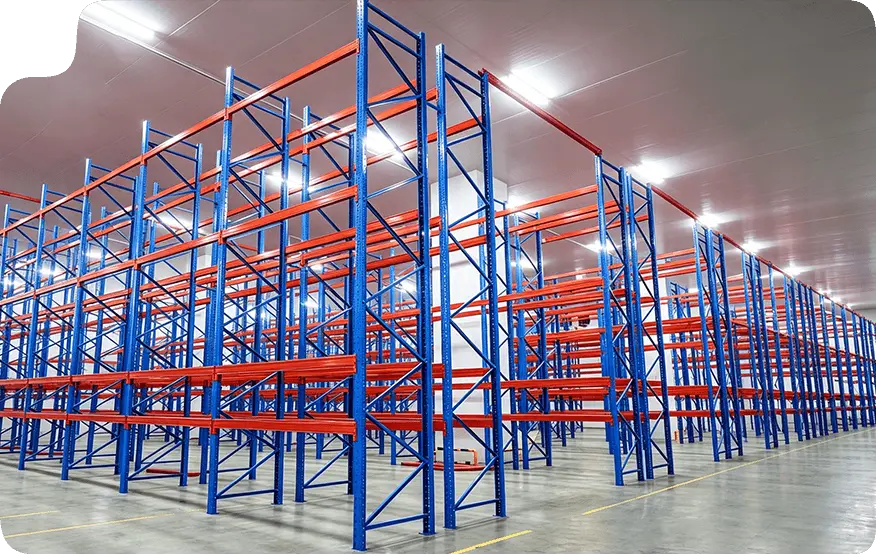
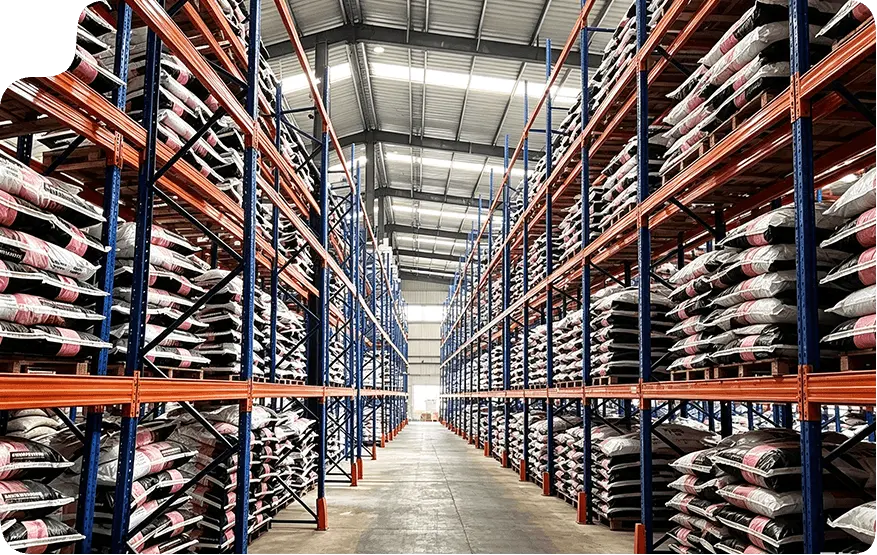
A heavy duty pallet racking installation should never be designed in isolation from the load carrier resting on its beams. At Guangzhou Heda Shelves Co., Ltd., our engineering teams match rack beam profiles, box step dimensions, clear span spacings, and pallet base structures down to the millimeter.
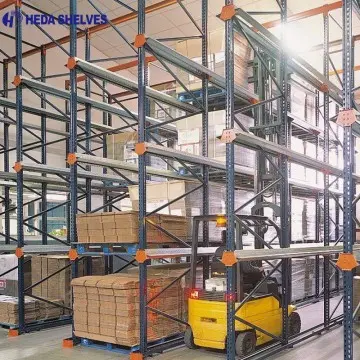
Whether your operations require heavy-duty selective pallet racks, drive-in systems with continuous side load rails, push-back gravity carts, or high-density radio shuttle lanes, we configure the beam depth and pallet runner spacing simultaneously. This integrated engineering workflow prevents runner overhang, eliminates concentrated point-loading, and guarantees full compliance with Australian AS 4084, European EN 15512, and American RMI pallet racking safety standards.
Why Global Industrial Buyers Partner with Guangzhou Heda Shelves Co., Ltd.
Selecting warehouse equipment is a multi-decade safety and capital commitment. Here are the core manufacturing capabilities that make us a preferred global partner.
 01

25 Years of Industrial Heritage
Founded in 2001, Guangzhou Heda Shelves Co., Ltd. has accumulated over two decades of engineering expertise across more than 10,000 warehouse projects worldwide.
 02

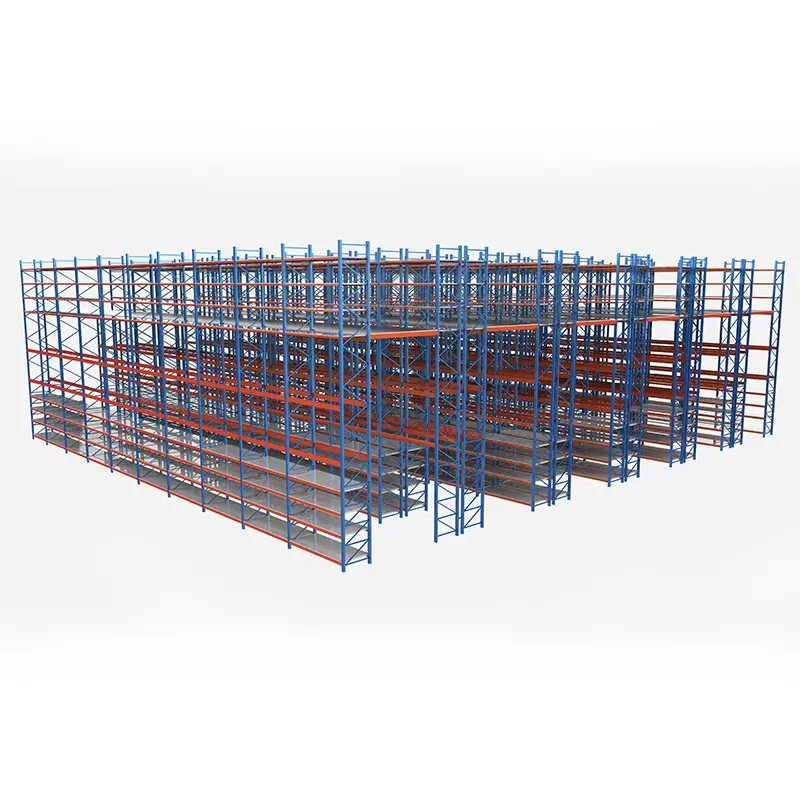
Complimentary 3D & CAD Layouts
We provide comprehensive 3D layout design, finite element load verification, and clear warehouse storage capacity calculations before production begins.
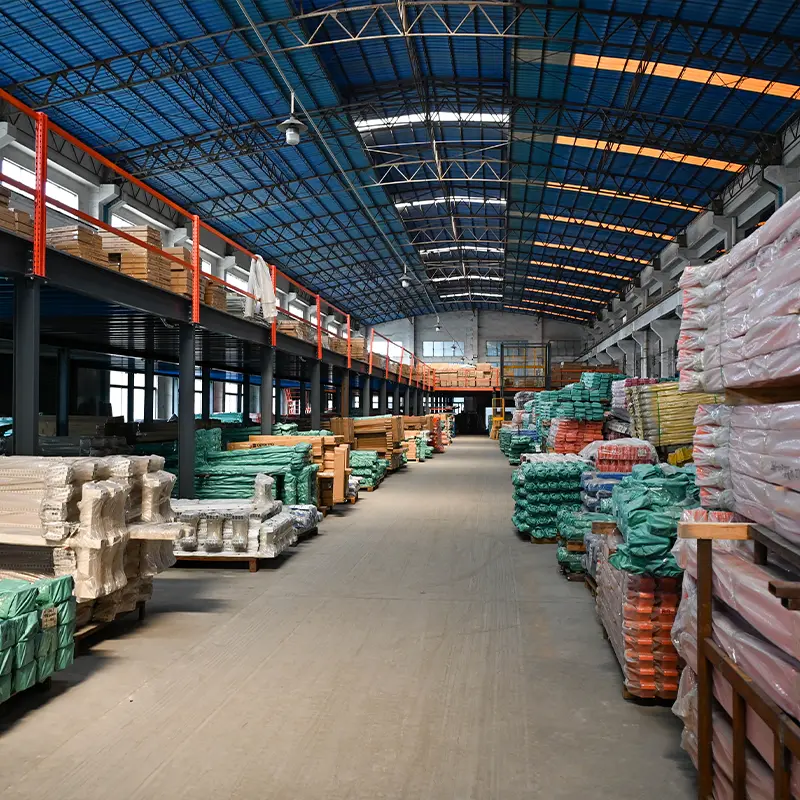 03

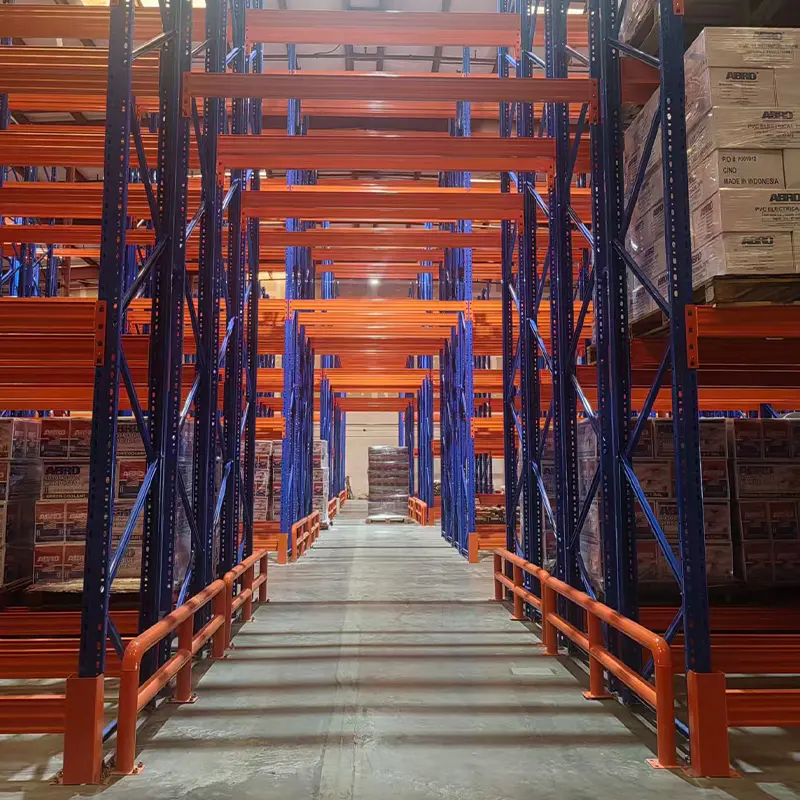
CE & ISO 9001 Certified Quality
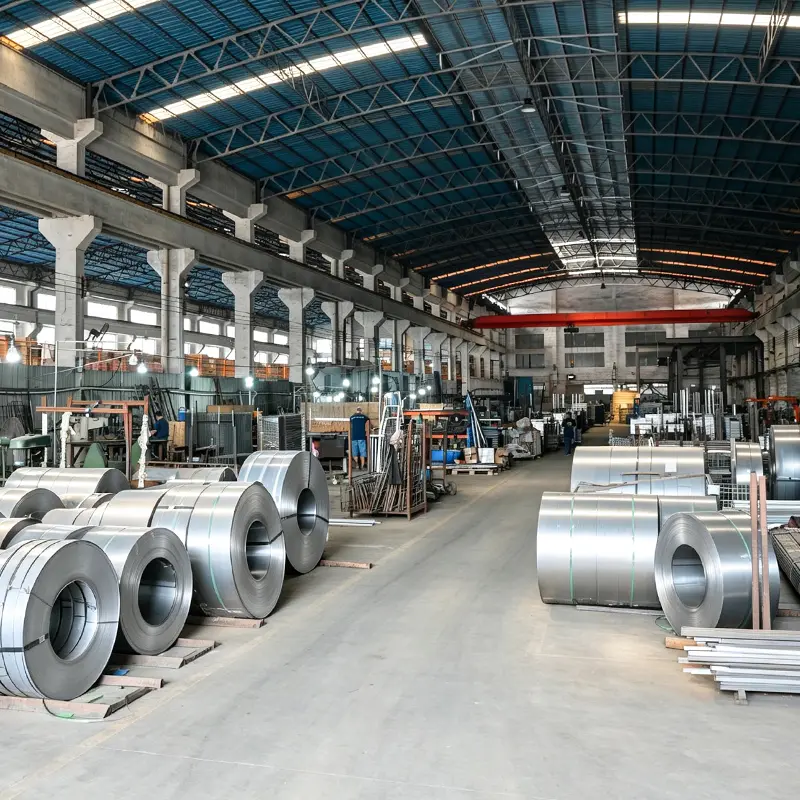
Strict quality checkpoints govern raw Q235B cold-rolled steel coils, automated punching, full robotic welding, and high-durability electrostatic powder coating finishes.
 04

End-to-End OEM & ODM Scale
Our 30,000 m² Guangzhou production plant features a monthly capacity exceeding 30,000 tons, delivering tailored dimensions, colors, and accessories directly to your port.
Our 10-Step Controlled Fabrication & Quality Sequence
Every structural pallet component, upright frame, and load beam undergoes strict physical testing to guarantee structural safety across international sites.
Raw Materials
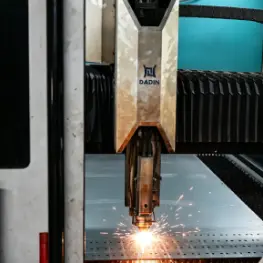
Precision Cutting
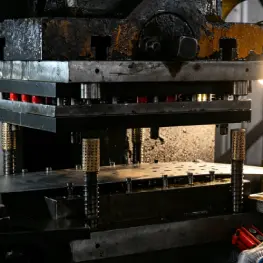
Column Punching
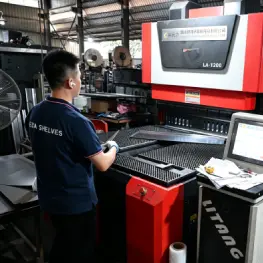
Cold Bending
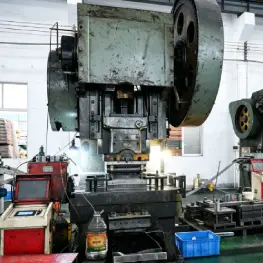
Profile Forming
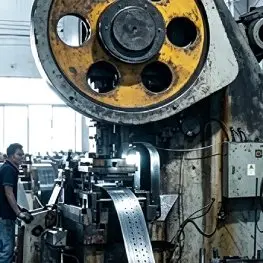
Polishing
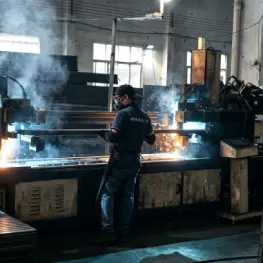
Welding
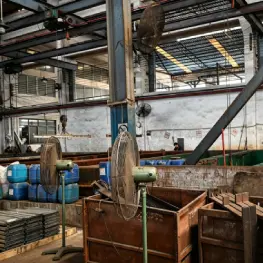
Pickling & Phosphating
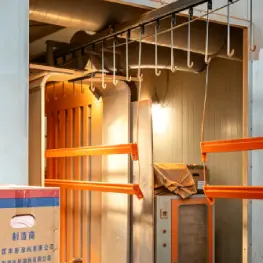
Powder Coating

QC & Shipping
Frequently Asked Questions on Heavy Duty Rackable Pallets
Direct engineering answers to the top technical and sourcing questions raised by warehouse operators and global supply chain directors.
What is the critical engineering difference between static, dynamic, and racking load capacity?
Why do standard heavy-duty export pallets fail when placed directly in pallet racking systems?
What beam deflection limits should be calculated for automated ASRS or high-density shuttle racking?
How do humid and tropical climatic environments affect heavy-duty rackable pallets?
How does Guangzhou Heda Shelves Co., Ltd. ensure seamless mechanical compatibility between pallets and warehouse racking?
Optimize Your Racking & Pallet Architecture Today
Connect directly with our engineering team in Guangzhou. Share your target load profile, beam clear spans, and warehouse layout to receive a full structural layout, deflection verification, and transparent commercial proposal within 24 hours.
Key Project Parameters to Provide
- Warehouse clear ceiling height & architectural drawings
- Pallet dimensions (W × D × H) & target racking load (UDL)
- Racking system type (Selective, Drive-In, Shuttle, or Mezzanine)
- Operational temperatures (Ambient dry goods or -30°C cold room)
- Material handling equipment (Counterbalance, Reach truck, VNA, or ASRS)