Top 10 Radio Shuttle Racking System Suppliers & Exporters
An authoritative technical analysis of high-density semi-automated warehouse pallet systems, vendor operational capabilities, export compliance, and total cost of ownership (TCO) benchmarks.
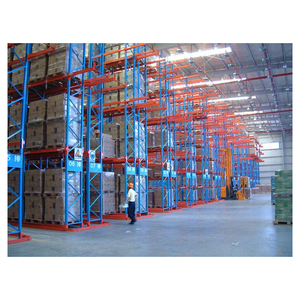
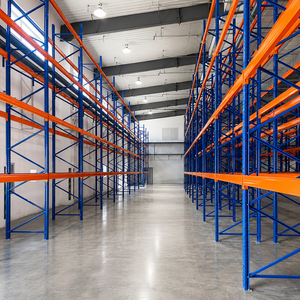
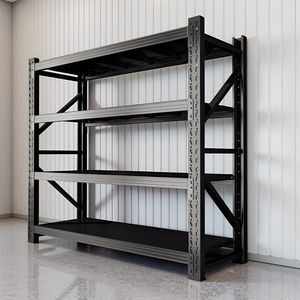
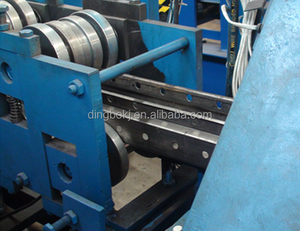
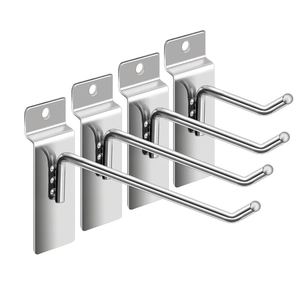
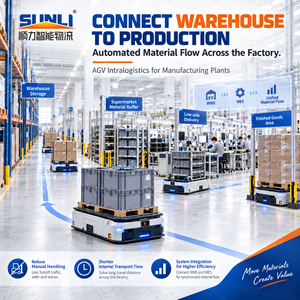
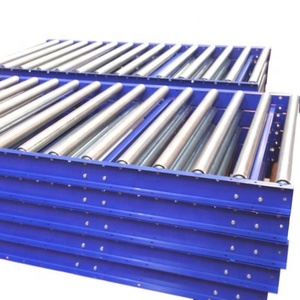
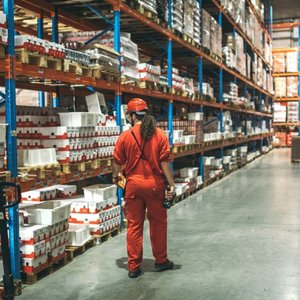
High-Density Logistics & Storage Equipment Lineup
Explore our precision roll-formed structural storage components, dynamic shuttles, and specialized racking machinery designed to eliminate warehouse congestion and maximize footprint density.
Comparative Matrix: Top Global Radio Shuttle Manufacturers & Exporters
A granular, multi-attribute assessment of the world’s leading manufacturers, comparing engineering certifications, robotic telemetry, throughput performance, and global fulfillment capabilities.
| Supplier Name | HQ Region | Core Specialization | Shuttle Battery Tech | Seismic / Cold Chain Readiness | Primary Compliance |
|---|---|---|---|---|---|
| Guangzhou HEDA Shelves Co., Ltd. | China (Guangzhou) | Full-Stack Shuttle Integration & Roll-Forming | Fast-Charge LiFePO4 (8-10h Run) | -30°C Cold Store & Zone 4 Seismic Certified | CE (2435-CPR-8605159), ISO 9001, RoHS |
| Mecalux | Spain | Automated Pallet Shuttle & AS/RS | Lithium-Ion / Supercapacitor | Specialized Cold Storage Modules | EN 15512, ISO 9001, CE |
| Jungheinrich AG | Germany | Under-Pallet Carriers (UPC) & AGVs | Lithium-Ion Quick Exchange | Advanced Freezer Protection Package | FEM 10.2.02, CE, UL |
| SSI Schaefer | Germany | Orbiter System High-Throughput Hubs | Power Cap / Lithium Power Unit | High-Tolerance Seismic Racking Standards | EN standards, ISO 14001, CE |
| Toyota Material Handling (Bito) | Japan / Germany | Dynamic Pallet Shuttle Solutions | Industrial Sealed Li-Ion | Industrial Cold Store Options | JIS, CE, OSHA Compliance |
| Stow Group (Movirack) | Belgium | Atlas 2D Shuttle & Dense Storage | High-Duty Cycle Lithium Cells | Structural Calculation Reports to Eurocodes | CE, ISO 9001 |
| KION Group (Dematic) | USA / Germany | Integrated Shuttle Micro-Fulfillment | Automated Induction / Fast Charge | Global Multizone Seismic Engineering | RMI, ANSI, CE |
| Interlake Mecalux | USA | Deep-Lane Radio Shuttle Warehousing | Lithium-Ion Cartridge Modules | RMI Compliant Structural Uprights | RMI, ISO 9001 |
| Nedcon | Netherlands | Complex Automated Structural Framing | Subcontracted / Platform Neutral | High Bay Heavy Load Engineering | EN 15512, DIN |
| Dexion (Gonvarri Material Handling) | Norway / Spain | Pallet Shuttle Dynamic Channel Systems | Industrial Maintenance-Free Packs | Standard Sub-Zero Treatments | FEM, EN Standards, CE |
Architectural Shift: Evolution of Pallet Shuttle Technology
Radio shuttle systems (semi-automated deep-lane storage) represent a critical tipping point in supply chain automation, offering up to 80% footprint utilization while mitigating lift truck transit damage.
LiFePO4 Power & Fast-Charging
Older lead-acid configurations required 8-hour charge cycles and separate battery rooms. Contemporary radio shuttles employ Lithium Iron Phosphate (LiFePO4) chemistries that support opportunist fast-charging (1 hour charge for 4 hours run-time) and continuous operation in freezing environments down to -30°C without thermal degradation.
IoT Telemetry & WCS Connectivity
Modern carts are autonomous network nodes. Utilizing 5.8 GHz wireless bands or industrial Wi-Fi mesh, shuttles feed real-time positional data, optical sensor health, pallet dimension verification, and motor torque consumption to Warehouse Execution Systems (WES), slashing unplanned maintenance downtime by 37%.
LIFO to Dynamic FIFO Agility
Traditional drive-in racking enforces rigid Last-In-First-Out (LIFO) protocols. Radio shuttle systems feature bi-directional rail access, enabling effortless toggling between LIFO (batch consolidation) and First-In-First-Out (FIFO) fulfillment lanes without requiring structural alterations or re-slotting inventory.
Future Procurement Trends for Warehouse Automation (2025–2030)
Key strategic transitions operations executives must monitor before executing capital investments in automated deep-lane racking infrastructure.
2D Shuttle to 3D & 4-Way Multi-Direction
While single-lane shuttles dominate current installations, 4-way multi-directional shuttles capable of changing lanes and switching vertical tiers via integrated lifts will capture significant market share, bridging the capital expenditure gap between semi-automated carts and full-scale mini-load AS/RS cranes.
RaaS (Robotics-as-a-Service) Adoption
High upfront CAPEX has historically prevented mid-market 3PLs from adopting semi-automation. Turnkey manufacturers are responding with bundled financing models: client enterprises buy the stationary steel racking arrays while leasing the radio shuttle carts with guaranteed battery replacements and round-the-clock SLA software maintenance.
Seismic Micro-Tolerance Standards
As automated systems reach vertical clearances of 15m to 24m, slight ground settling and seismic vibrations pose severe track misalignment risks. Procurement contracts now demand higher-grade structural steel (SS400 / Q355B) and post-punch laser tolerances within ±0.5mm across entire run lengths.
Guangzhou HEDA Shelves Co., Ltd. Structural Capabilities
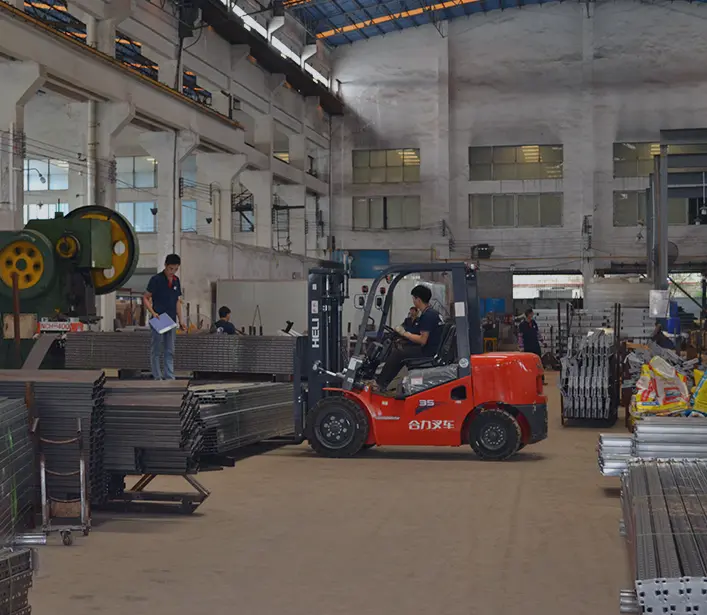
Established in 2001, Guangzhou HEDA Shelves Co., Ltd. operates a vertically integrated 30,000 square meter manufacturing base equipped with automated roll-forming mills, continuous laser cutting tables, and robotic beam welding stations. Unlike resellers, HEDA manufactures the structural rack channels and integrates carrier electronics under unified Quality Assurance protocols.
- CE Certification (No. 2435-CPR-8605159) & ISO 9001:2015: Audited structural engineering meeting rigorous EN and international industrial load criteria.
- Cold-Chain & Tropical Surface Treatment: Full 10-step pre-treatment process including chemical pickling, phosphating, and electrostatically cured polyester powder coatings, with optional hot-dip galvanizing for marine coastal regions.
- Seismic Region Custom Engineering: Tailored baseplate calculations, enhanced anchor patterns, and structural bracing configurations tested for seismically active zones across ASEAN, Japan, and the Middle East.
- Free 2D/3D Rapid Engineering: Comprehensive floor plans, 3D render designs, and pallet capacity simulations calculated within 24–48 hours upon receipt of warehouse layout specs.
Frequently Asked Technical & Commercial Questions
Actionable answers addressing pallet deflection limits, freezer environment constraints, throughput sizing, and shipping arrangements.
What are the structural pallet quality requirements for radio shuttle operations?
How does low-temperature cold storage (-25°C to -30°C) impact shuttle reliability?
How is shuttle-to-lane quantity sized for optimal throughput?
What building tolerances and structural floor characteristics are mandated?
How are sea-freight packaging and site installation managed for export projects?
Accelerate Your High-Density Automation Project
Submit your warehouse CAD dimensions, clear ceiling heights, pallet profiles, and target cycle velocity. Our senior engineering team will calculate your maximum storage density and provide a turnkey 3D layout simulation within 24 hours.
Send an Inquiry