Engineering Systems & Technical Configurations
Precision-engineered, cold-formed structural configurations designed for load-bearing optimization, automated materials handling integration, and vertical cube expansion.
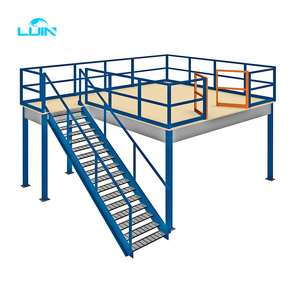
Platform Rack Multi-Functional Heavy-Duty Storage System
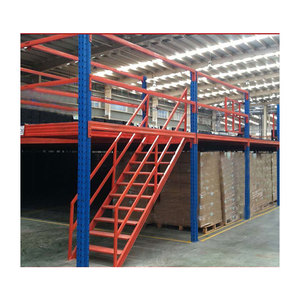
Multi-Tier Steel Grating Floor Rack-Supported Mezzanine
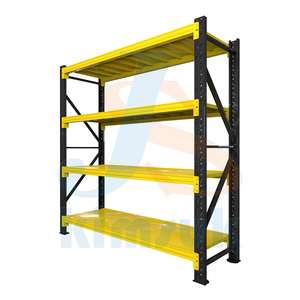
Customized Multi-Level Warehouse Mezzanine System
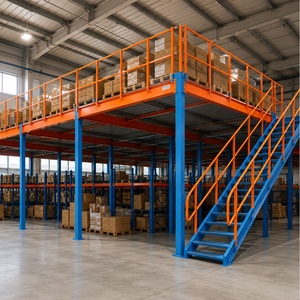
Industrial Steel Space-Optimization Multi-Tier Platform
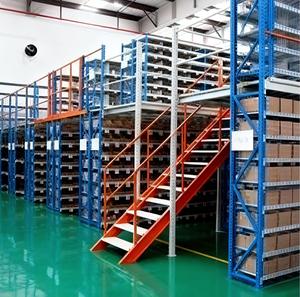
Multi-Layer Floor System with Engineered Staircases
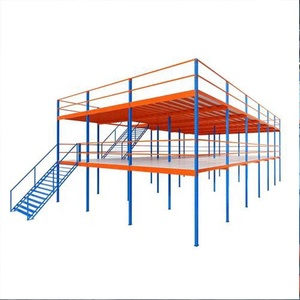
Adjustable Corrosion-Protected Modular Platform
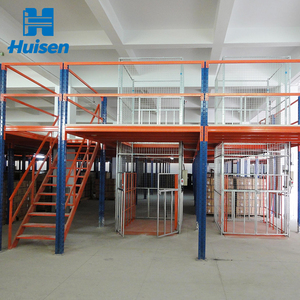
Industrial Attic Loft High-Density Heavy Storage Racks
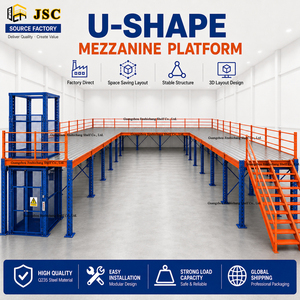
Steel Structure Space-Saving Intermediate Platform
Global Manufacturer Evaluation & Structural Architecture
A rigorous examination of load paths, steel cross-sectional geometry, and engineering integrity for supply chain decision-makers.
In the contemporary landscape of international trade and supply-chain infrastructure, land acquisition costs and industrial leasing rates have surged globally—by over 38% in key logistical corridors throughout North America, Europe, and the Asia-Pacific region. Consequently, supply chain architects, distribution center operations executives, and industrial logistics consultants are increasingly bypassing horizontal footprint expansion in favor of vertical cubic density. Among the available spatial multiplier technologies, the pallet rack-supported mezzanine represents the single highest return on investment (ROI) structural design, effectively doubling or tripling usable surface area while simultaneously serving as high-capacity unit-load storage.
Structural Direct-Load Transmission
Unlike conventional structural steel mezzanines which rely on wide-flange I-beam framework and isolated, heavy structural columns that require dedicated foundation footings, rack-supported systems distribute intermediate floor loads directly through cold-rolled upright racking posts. By engineering upright columns with multi-bend omega (Ω) or closed box profiles using high-tensile hot-rolled steel strip (yielding tensile strengths from 235 MPa up to 355 MPa), dead loads and live operational dynamic forces are routed directly to the slab along dense, uniform grid layouts.
Civil Engineering & Slab Optimization
Because the load is shared across multiple footplates instead of concentrated on isolated 400x400mm base-plates bearing 200+ kN point loads, standard industrial reinforced concrete slabs (150mm to 200mm thickness, 25-30 MPa compressive strength) can often accommodate multi-tier systems without costly sub-surface core drilling, grade beaming, or pile injection. This design paradigm reduces civil engineering downtime by up to 65% during retrofitting inside operational third-party logistics (3PL) hubs.
Global Compliance Matrix
Procurement directors must ensure manufacturing compliance across diverse jurisdictional standards. Top exporters adhere strictly to structural racking codes: RMI MH16.1 in the Americas, FEM 10.2.02 and EN 15512 across the European Union, and AS 4084 in Australasia. These frameworks enforce rigorous testing protocols for torsional-flexural buckling, beam end-connector teardrop lock tests, and seismic drift ratios (P-Delta effects under dynamic cyclical loading).
| Structural Architecture | Primary Flooring Medium | Footing Preparation | Cost per m² (Installed) | Dynamic Robotic (AMR) Suitability |
|---|---|---|---|---|
| Selective Rack-Supported Mezzanine | Solid Galvanized Steel Panel / B-Deck + Plywood | Standard 150-200mm Industrial Slab | $95 - $160 / m² | High (with flat steel running plates) |
| Multi-Tier Steel Grating Platform | Open Bar Grating (Hot-Dip Galvanized / Painted) | Standard Slab (Spread Load Plates) | $110 - $185 / m² | Low (requires overlay solid pathing) |
| Heavy Structural Mezzanine (I-Beam) | Pre-cast Concrete / Steel Diamond Plate | Dedicated Deep Piles / Foundation Pads | $220 - $380 / m² | Very High (high point load threshold) |
Procurement & Technological Trends
Actionable foresight for warehouse modernization, AMR hybridization, and sustainable global supply chain investments.
1. Hybrid Mezzanine-AMR Interoperability
The standard manual cart-push picking mezzanine is undergoing an engineering overhaul. Tier-one logistics providers are transitioning to light autonomous mobile robot (AMR) fleets operating directly on upper levels. This requires structural manufacturers to control deflection ratios to L/600 or stricter (contrasting with the standard industrial L/200 limit) and provide continuous precision-leveled steel interlocking floor panels to prevent vibration-induced optical sensor drift.
2. Advanced Seismic & Torsional Modeling
With seismic activity shifting risk underwriting across the Pacific Rim, Mediterranean, and Latin America, structural compliance requires finite element analysis (FEA) simulations. Manufacturers must provide verified three-dimensional seismic response spectra calculations, documenting anchor-bolt shear capacity, cross-aisle moment frame stiffness, and ductile diagonal bracing performance under peak acceleration loads.
3. Low-Carbon Steel & Zero-VOC Finishing
Scope 3 carbon emission disclosures now influence corporate procurement decisions. Leading industrial racking exporters utilize raw steel coil from electric arc furnaces (EAF) with scrap contents exceeding 70%, backed by environmental product declarations (EPDs). Furthermore, continuous-line pickling and phosphating are coupled with zero-heavy-metal electrostatic powder coatings that emit negligible VOCs during curing.
Industrial Production Capacity & Quality Engineering
Guangzhou Heda Shelves Co., Ltd. combines 25 years of engineering authority, heavy fabrication infrastructure, and international export capabilities.
Certified Metallurgy
Every structural profile is roll-formed from certified high-grade steel (Q235B/Q355B equivalent to ASTM A36/A572 Gr 50) with verified mill test certificates for tensile, yield, and elongation metrics.
10-Stage Surface Treatment
Components undergo strict acid pickling, ultrasonic degreasing, zinc phosphating, high-temperature de-moisturizing, and electrostatic powder coating to guarantee 500+ hours of salt-spray resistance.
International Certifications
Fully compliant with international safety and quality protocols, holding CE Certification (No. 2435-CPR-8605159), ISO 9001:2015 Quality System Registration (No. 18624Q00169R0M), and full RoHS compliance.
Export Container Stowing
Dedicated export packaging utilizing high-rigidity pallet bundles, moisture-barrier wrapping, edge corner armor, and custom CAD-engineered 40HC container packing maps to prevent maritime transit damage.
Frequently Asked Sourcing & Engineering Questions
Technical, logistical, and architectural answers prepared by our chief structural engineering team.
What structural data is necessary to generate a precise 2D/3D CAD mezzanine layout?
How do rack-supported mezzanine floors integrate with NFPA fire safety standards?
Can the mezzanine structure be retrofitted, expanded, or relocated in the future?
How are seismic dynamic lateral loads counteracted in high-risk zones?
Engineering Your High-Density Intralogistics Facility
Consult with our direct-factory structural engineers. Receive a complete, certified 2D CAD layout, 3D visualization, and structural load analysis within 24–48 hours for your warehouse project.
Send an Inquiry