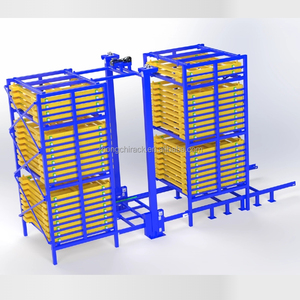
Smart Warehouse Vertical Sheet Steel Rack Heavy Duty Solution
Plate Handling
Custom Bay Pitch
Precision roll-formed, high-yield steel systems customized precisely to client material handling vehicles, unit pallets, and structural seismicity parameters.
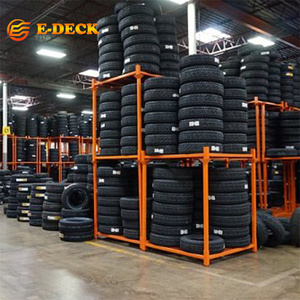
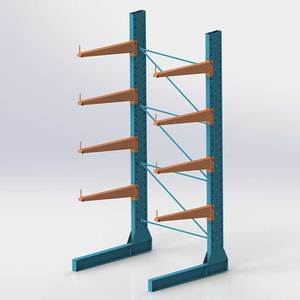
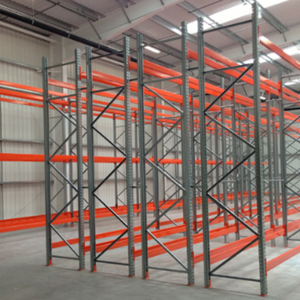
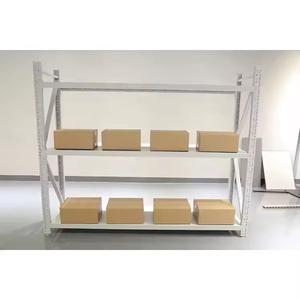
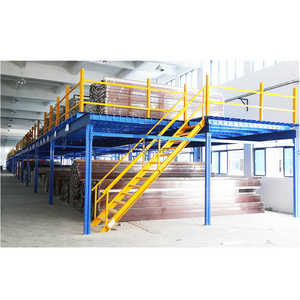
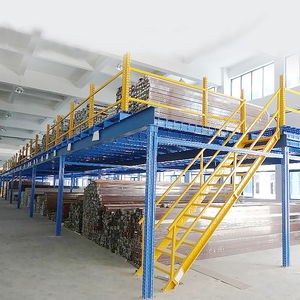
We bridge heavy civil-structural engineering with precision robotic manufacturing, delivering certified, turnkey racking infrastructures under client-specified OEM labels.
Fabricated using prime cold-rolled Q235B and Q355B structural steel from tier-one mills. Every batch undergoes verified spectrometer metallurgical analysis and continuous tensile-deflection testing to ensure fail-safe performance under dynamic seismic and impact loads.
Eliminate costly site re-works. Our in-house applications engineering team provides complete 2D warehouse space planning, 3D parametric BIM models, and comprehensive static/dynamic structural calculations reports within 24 to 48 hours for rapid design approval.
Audited manufacturing systems holding CE Certification (No. 2435-CPR-8605159) and ISO 9001:2015 quality management compliance. Racking layouts and profile cross-sections conform strictly with international standards including EN 15512, FEM 10.2.02, and RMI configurations.
Tailored specifically for international engineering firms, material handling distributors, and project contractors. We provide bespoke upright teardrop/hex punching patterns, custom beam connector brackets, non-standard RAL powder formulations, and private label carton-stenciling.
Equipped with an advanced continuous pre-treatment tunnel featuring acid pickling, multi-stage rust degreasing, and dense zinc-phosphating, topped by an automated electrostatic thermosetting polyester powder line for exceptional salt-spray and abrasion resilience in extreme tropical environments.
An analytical engineering perspective on how changing logistics footprints, building costs, automation integration, and metallurgical requirements are shifting international procurement models.
Global warehousing demands have moved decisively beyond basic low-density static pallet shelving. Driven by dramatic industrial land cost increases across core distribution corridors—from Singapore and Dubai to Rotterdam and North American intermodals—procurement managers now assess total storage infrastructure via Volumetric Cube Utilization (VCU) and Total Cost of Pallet Location (TCPL) rather than simply initial steel fabrication weight.
Key procurement patterns observed across major multinational supply chains include:
The boundary between traditional structural racking and robotic intralogistics machinery has permanently blurred. Modern warehouse racking systems are no longer merely passive load-bearing steel shelves; they increasingly serve as the rigid, high-precision skeleton for complex automated handling systems.
The primary axes of development shaping warehouse racking include:
Structural reliability in material handling requires absolute manufacturing transparency. The use of sub-standard uncertified re-melt steel scrap poses immense legal, operational, and physical life-safety liabilities in automated, high-reach facilities. Certified structural steel (such as Q235B or cold-formed carbon structural alloys) provides a predictable stress-strain yield point curve, ensuring that in the event of catastrophic forklift impacts, the steel absorbs energy through controlled plastic deformation rather than experiencing sudden brittle fracture.
Authoritative guidance addressing common engineering queries, custom manufacturing considerations, logistics handling, and structural certifications.
Connect directly with our senior applications engineering team. Provide your basic building dimensions, pallet specs, or layout sketches to receive a complimentary 2D CAD plan, 3D visualization, and comprehensive project estimate.
Get a Quote