Specialized OEM Roller Racks & Dynamic Storage Systems
Explore our production portfolio designed for high-density logistics, ergonomic order picking, automated line-side assembly, and commercial cold display.
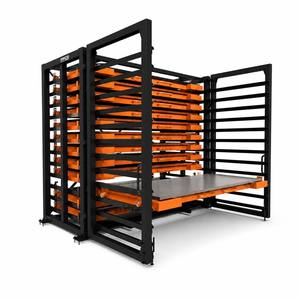
Roll Out Rack Heavy Duty Storage Rack for Sheet Metal Plate Warehouse Drawer Type
- 1,000–3,000 kg / Tier
- 100% Drawer Extension
- C-Channel Guide Rollers
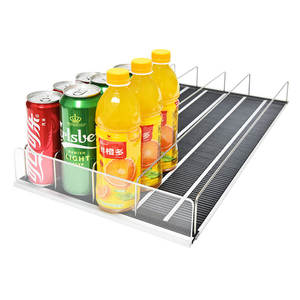
Plastic Gravity Bottle Drink Roller Display Rack Rolling Track Cooler Glide
- Food-Grade POM Rollers
- Zero-Energy Front Facing
- Multi-Lane Subdividers
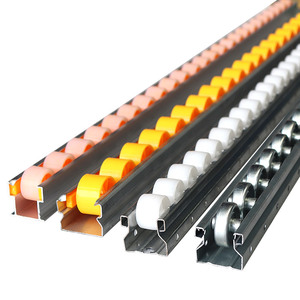
Industrial Storage Shelves Roller Track Large Load Capacity Rolling Rails Aluminium Fluent Strip
- Extruded 6063-T5 Rail
- Galvanized Axles
- Modulated Slope Gradients
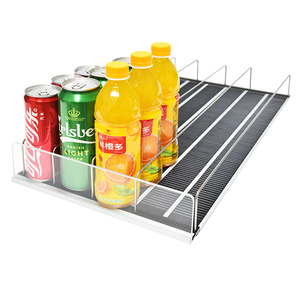
Customized Beverage Factory Manufacturer Gravity Pusher System Roller Shelves
- Constant-Tension Coil Spring
- Low Friction Polyethylene
- Fast Merchandising Reset
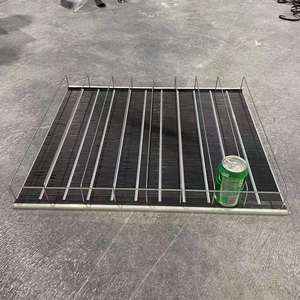
Customized Double-Sided Supermarket Rack Gravity Roller Shelf for Beverages Beer
- Door-Mount & Standalone
- Anti-Scratch Coating
- Modular Track Adjustments
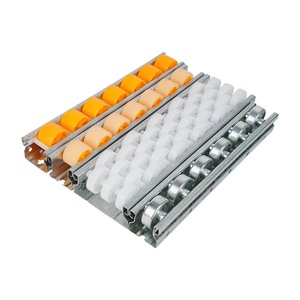
Heavy Duty 5 Layer Corrosion Protection Adjustable Height Rolling Racks Shelves
- 50mm Pitch Adjustment
- Lockable Heavy Casters
- Phosphated Zinc Coating
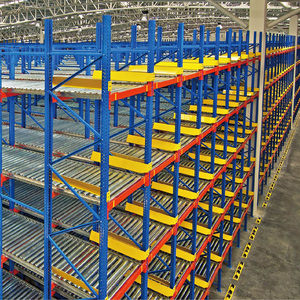
Steel Gravity Roller Racking Auto Sliding Powder Coated Flow Pallet Racks
- Dynamic Brake Rollers
- 1,500 kg / Pallet Position
- Separation Speed Governors
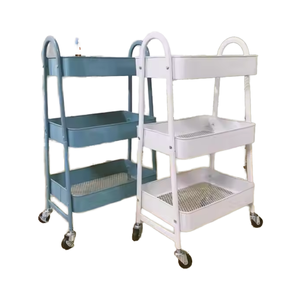
3 Tier Rolling Rack Stainless Steel Commercial & Cleanroom Islands & Carts
- Grade 304 Stainless Steel
- Smooth Non-Marking Rollers
- Anti-Vibration Bushings
Why Global Tier-1 Integrators Choose Our OEM Factory
From raw coil slitting to precision roller assembly and automated electrostatic finishing, our vertically integrated plant controls every micron of structural tolerance.
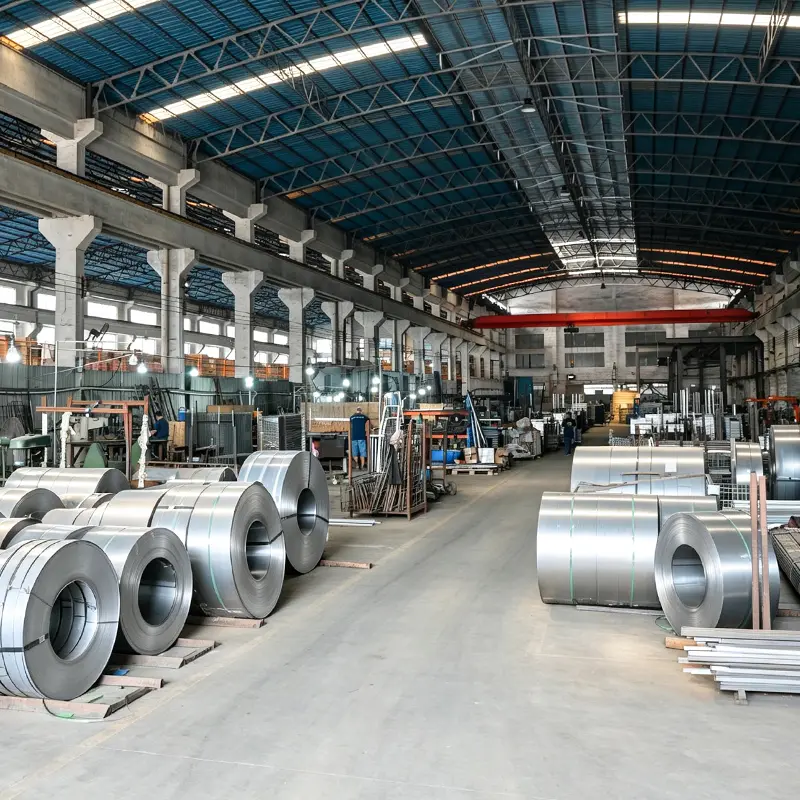
25 Years OEM Customization
Our design engineering office customizes beam lengths, roller pitches, and damping brakes to match proprietary totes, odd-sized crates, and automated guide vehicles (AGVs).
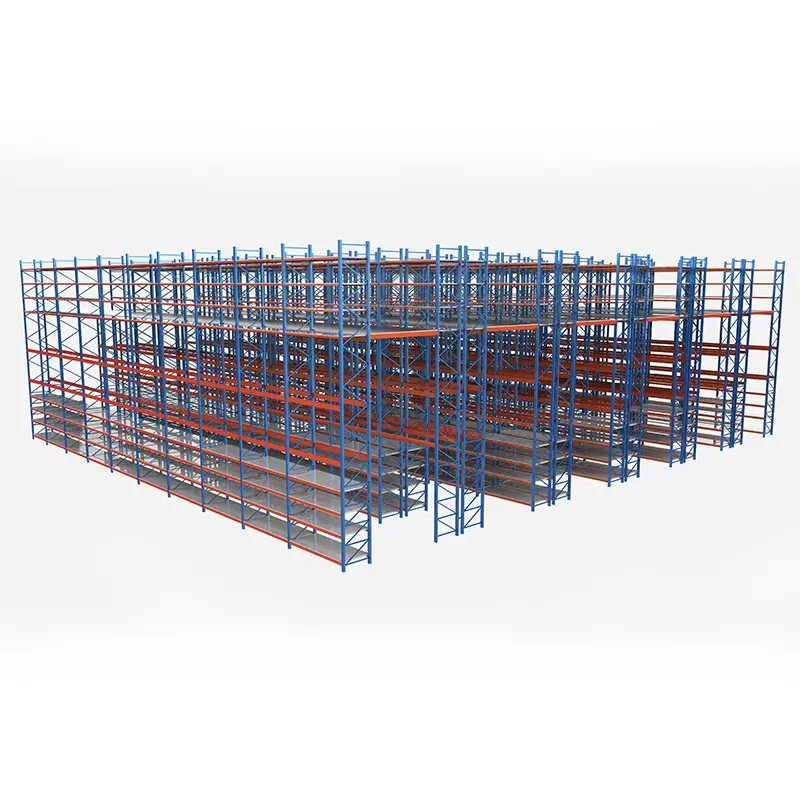
Free 3D & FEA Load Calculation
Receive complete CAD floor plans, dynamic 3D visual mockups, and finite element stress analysis reports within 24 to 48 hours for tender compliance and fire permits.
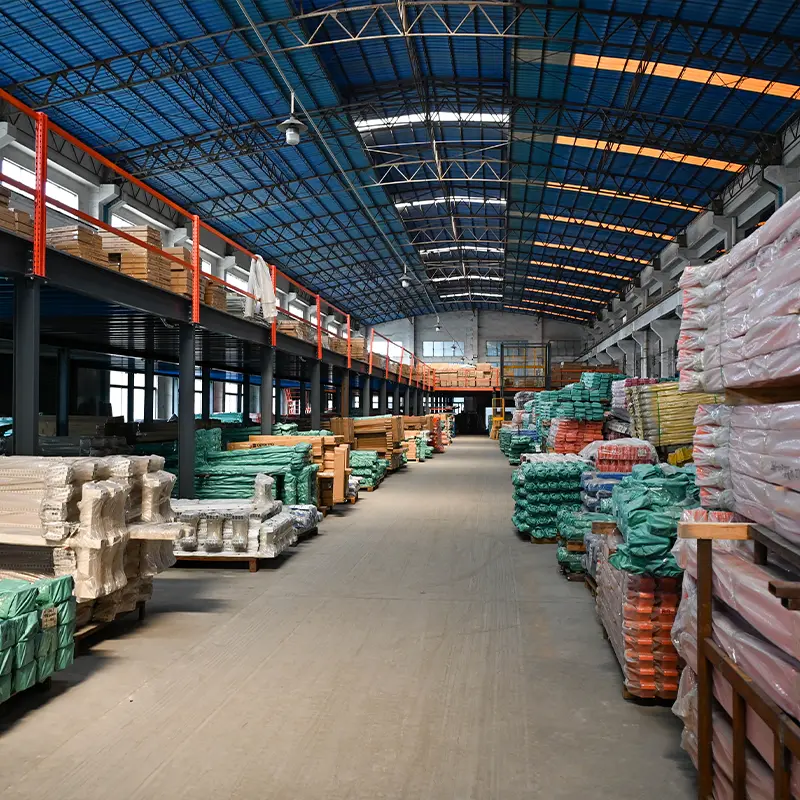
CE & ISO 9001 Certified QA
Certified under CE (Certificate No. 2435-CPR-8605159) and ISO 9001:2015. Every batch undergoes 100% weld ultrasonic checks and 240-hour neutral salt-spray testing.
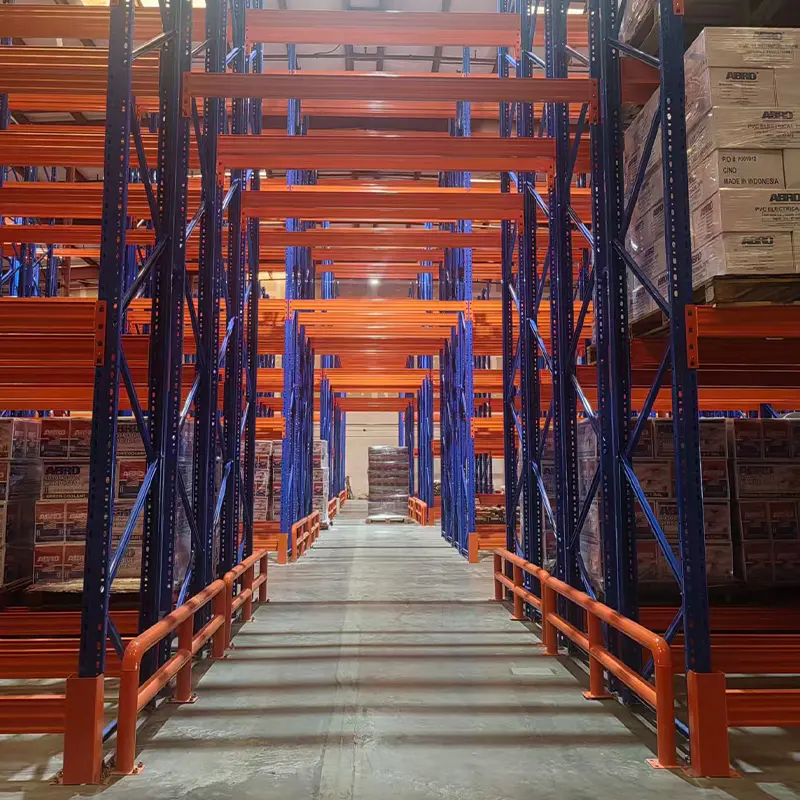
Direct South China Sea Port Hub
Direct dispatch from Guangzhou port facilities ensures optimized container consolidation, custom steel banding, and lowest freight tariffs across ASEAN, GCC, and European terminals.
Engineering Architecture of Custom Roller Racks: Dynamic Kinematics & Structural Mechanics
In modern high-throughput distribution hubs, manufacturing line-side operations, and retail cold chain installations, roller rack systems—encompassing dynamic pallet flow racks, carton live storage beds, roll-out sheet metal drawer modules, and gravity cooler glides—serve as the foundational mechanical interface governing product velocity and operational throughput. Unlike static selective pallet racking, custom roller racking operates under continuous kinetic loading conditions where static equilibrium, dynamic roll friction, inertial impact, and mechanical braking mechanisms must coexist in harmonious balance.
1. Kinematic Principles & Gradient Angle Optimization
The primary design parameter governing gravity flow performance is the bed inclination angle ($\theta$). An inadequate gradient halts inventory midway down the lane, necessitating hazardous manual push-in, while an excessive angle induces dangerous terminal impact velocity, damaging goods and rack stop plates. As a custom OEM manufacturer, our engineering team tailors the track gradient based on total cargo weight, bottom contact geometry, and roller bearing drag coefficients:
- Carton Flow & Light Industrial Bins (1 kg – 35 kg): Typical inclination ranges from $2.0^\circ$ to $3.5^\circ$ (equivalent to a 3.5% to 6.0% slope). Utilizes precision nylon, POM, or polypropylene wheels mounted on galvanized steel or extruded 6063-T5 aluminum rails with shielded low-friction ball bearings.
- Heavy Pallet Flow Storage (500 kg – 1,800 kg): Standard operational slope is fixed at $1.5^\circ$ to $2.0^\circ$ (2.5% to 3.5% grade). Equipped with heavy-wall cylindrical steel rollers (Ø50mm or Ø60mm) and integrated centrifugal speed governors (brake rollers) placed at calculated pitch intervals to limit rolling speed strictly below 0.3 m/s (0.98 ft/s).
- Heavy-Duty Sheet Metal Drawer Racks (Up to 3,000 kg / tier): Employs flat horizontal planes paired with heavy radial roller bearings riding inside machined I-beam or cold-formed C-channel trackways. 100% bidirectional roll-out functionality is achieved using manual crank reducers or dual-bearing telescopic arm arrays that eliminate cantilever deflection.
2. Material Metallurgical Specifications & Cold Forming Tolerances
Structural reliability starts with certified steel chemistry. All upright columns and horizontal load beams in our OEM manufacturing facilities are roll-formed from premium certified Q235B and Q355B hot-rolled structural steel coils conforming to European EN 10025-2 and American ASTM A36 standards. Column sections feature patented multi-bend Omega ($\Omega$) profiles offering extreme torsional stiffness and superior resistance to lateral impact from counterbalanced and reach-truck masts.
For chemical, marine, and commercial cooler refrigeration environments, standard carbon steel is supplanted by SUS304/SUS316 austenitic stainless steel or heavy hot-dip galvanized profiles (HDG zinc coating thickness $\ge 65 \ \mu\text{m}$ in compliance with ISO 1461). In food retail applications, such as our bottle glider tracks, raw materials utilize non-toxic, anti-static, food-contact compliant polyoxymethylene (POM) resin certified under EU 1935/2004 and FDA 21 CFR regulations.
3. Dynamic Roller Racking Engineering Matrix: System Comparative Evaluation
| Racking Topology | Standard Load Capacity | Kinematic System | Typical Incline | Rotation Logic | Primary OEM Applications |
|---|---|---|---|---|---|
| Heavy Pallet Flow Rack | 500 – 1,500 kg / pallet | Ø50/60mm Steel Roller Lanes + Brake Drums | 1.5° – 2.0° (2.5–3.5%) | Strict FIFO | Cold storage, food/beverage distribution, pharmaceutical staging |
| Carton Flow Rack (Fluent Bed) | 50 – 250 kg / linear meter | Aluminium Alloy Rails + POM Poly Wheels | 2.0° – 4.0° (3.5–6.0%) | Strict FIFO | E-commerce fulfillment, automotive Kanban line-side kitting |
| Roll-Out Sheet Metal Rack | 1,000 – 3,000 kg / drawer | Heavy Radial Roller Bearings + C-Tracks | 0.0° (Horizontal) | 100% Direct Access | Heavy steel plates, laser cutting workcells, stamping dies |
| Gravity Cooler Beverage Glides | 5 – 15 kg / lane channel | Extruded High-Slip Plastic Roller Mats | 3.0° – 5.0° (5.0–8.5%) | Automated FIFO | Walk-in commercial coolers, supermarket beer/soda display |
| Mobile Heavy-Duty Rolling Shelving | 300 – 1,000 kg / bay | Polyurethane/Steel Industrial Casters | 0.0° (Manual Push) | High-Density Selective | Cleanrooms, laboratory spares, high-density archive vaults |
10-Step Precision Manufacturing & Quality Control Workflow
Every custom OEM roller rack component undergoes a traceable, non-destructive quality verification cycle in our ISO 9001 certified Guangzhou plant.
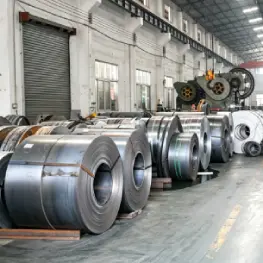
Coil Spectrometry
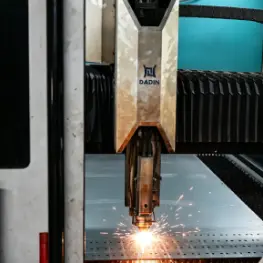
CNC Laser Slitting
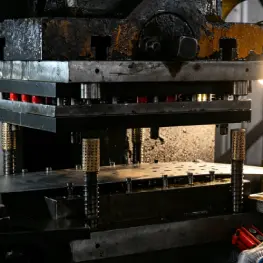
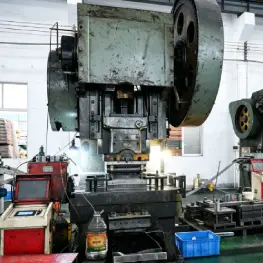
Precision Punching
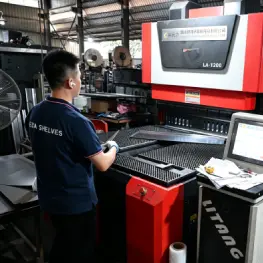
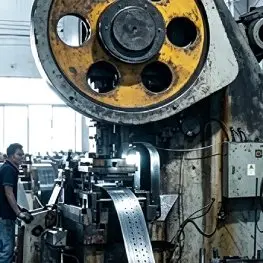
Cold Roll-Forming
Profile Straightening
Edge Deburring
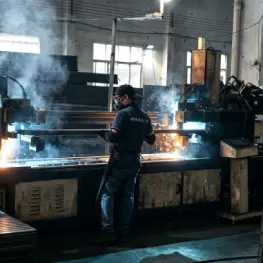
Robotic Welding
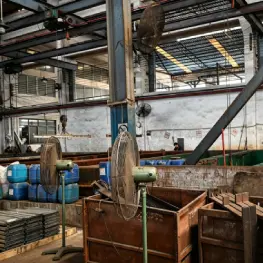
Chemical Pretreatment
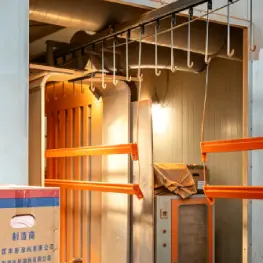
Electrostatic Powder
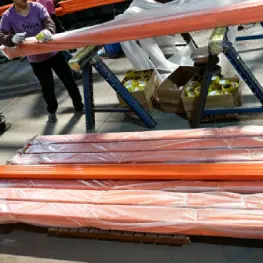
CMM & Export Staging
Global Procurement Trends & Technological Evolution (2025–2035)
In response to escalating urban warehouse rents, labor compression, and high-velocity omni-channel distribution, roller rack engineering is experiencing five fundamental shifts:
Sensorized Dynamic Speed Regulators
Traditional passive centrifugal mechanical brakes are giving way to eddy-current non-contact magnetic retarding rollers. These units eliminate mechanical wear, maintain constant terminal pallet velocity across a wide range of weights (from 200 kg to 1,500 kg), and integrate embedded RFID or Bluetooth Low Energy (BLE) sensors to monitor lane utilization and prevent jams.
AGV & AMR Autonomous Docking Interfaces
Carton and pallet roller racks are increasingly integrated with Autonomous Mobile Robots (AMRs) and forklift AGVs. OEM designs now incorporate low-profile funnel guide entries, optical reflector flags, and pneumatic roller stop actuators that communicate with warehouse management software (WMS) to coordinate automatic loading and unloading without human intervention.
Sub-Zero Cryogenic Lubrication Formulations
With global cold chain infrastructure expanding rapidly for biopharmaceuticals, seafood, and fresh produce, standard grease-lubricated roller bearings often suffer from seized races at -25°C to -35°C. Advanced OEM factories now employ specialized fluorosilicone and perfluoropolyether (PFPE) cryogenic dry-film lubricants that guarantee smooth gravity flow down to -40°C.
Modular Rapid-Snap Fluent Track Geometries
Rapid SKU churn in retail and 3PL fulfillment demands lane adjustments without tools. Next-generation OEM roller tracks utilize clip-in polyamide roller axles with interlocking aluminum channel profiles that allow picking line technicians to alter lane widths and roller pitches within minutes rather than disassembling structural beams.
Green Steel & Low-VOC Closed-Loop Finishing
ESG compliance has transitioned from an optional metric to a core mandatory requirement in Tier-1 supply tenders. Our factory employs eco-conscious, heavy-metal-free zirconium conversion chemical pretreatments, followed by high-transfer-efficiency thermosetting TGIC-free polyester powder coats, significantly shrinking the embodied carbon footprint per pallet position.
Hybrid Push-Back & Gravity Flow Systems
To maximize cubic density where ceiling heights exceed 10 meters, distribution centers are implementing hybrid racking tiers: low-level carton flow beds for manual item picking topped with multi-deep gravity pallet flow lanes fed directly by automated automated storage and retrieval systems (AS/RS).
Frequently Asked Questions: Technical Sizing & OEM Sourcing
Direct engineering feedback on design calculations, load distribution, and overseas OEM fabrication orders.
The gradient angle is derived from the pallet or tote's dynamic rolling resistance coefficient ($\mu_r$) and total gross load. For typical wooden Euro/GMA pallets in heavy flow systems, we recommend a calibrated slope between 1.5% and 3.5% (approx. 0.85° to 2.0°). For lightweight plastic totes in carton flow systems, an inclination of 3.5% to 6.0% (2.0° to 3.5°) ensures reliable forward movement without operator pushing.
Yes. We engineer racking structures in full compliance with EN 15512, RMI MH16.1, and AS4084 standards. For high-seismic risk regions (such as Japan, the Philippines, Indonesia, and New Zealand), we expand base plate thicknesses, enhance anchor bolt diameters (M12 to M16 chemical anchors), and incorporate heavy structural X-bracing. Structural load calculations and FEA simulation reports can be supplied for local authority review.
In pallet flow systems deeper than 3 pallets, centrifugal brake rollers are mounted flush along the track. As a pallet rolls over them, internal planetary gears spin centrifugal flyweights outward against a friction brake housing. The higher the pallet velocity, the greater the retarding braking force applied, automatically stabilizing roll speed between 0.2 m/s and 0.3 m/s.
Gravity roller racking requires pallets with bottom runners oriented parallel to the direction of flow. Three-runner and perimeter-base wooden pallets, solid plastic pallets, and flat steel skid bases perform reliably. Pallets with warped deck boards, missing bottom boards, or protruding nails must use full-width steel roller tracks or heavy steel slave pallets to prevent track jams.
For cold rooms with frequent temperature swings or tropical high-humidity environments, we recommend a heavy hot-dip galvanized finish (HDG, minimum 65–85 μm thickness per ISO 1461) or marine-grade 304/316 stainless steel axles and roller housings. For standard ambient warehouses, our multi-stage pickling, phosphating, and 80–120 μm electrostatic polyester powder coating delivers 500+ hours of ASTM B117 salt spray resistance.
Because we maintain dedicated cold-forming lines and automated sheet metal cells, typical production lead time is 18 to 25 days following CAD blueprint approval. While standard catalog accessories require no minimum order volume, full container loads (20GP or 40HQ) are highly recommended to optimize sea freight tariffs and prevent transport deformation.
Request Your Free Engineering CAD & Structural Load Report
Send our senior engineering team your warehouse DWG layout, pallet dimensions, total SKU velocity, and forklift specifications. We will deliver a free 3D simulation rendering, pallet capacity audit, and comprehensive factory quote within 24 hours.