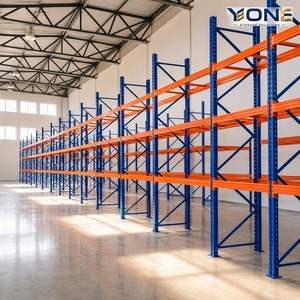
 Q235B Steel
Steel Storage Rack Heavy Duty Pallet Racking Q235B Steel Selective Racking
Selective Access
1000–4500 kg/Level
Adjustable Pitch 75mm
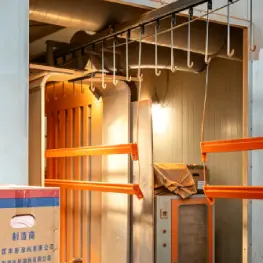
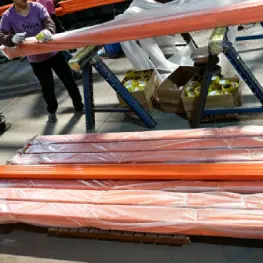
Each load-bearing structure is custom roll-formed from cold-rolled Q235B/Q355B high-tensile structural steel, chemically pretreated with pickling and phosphating, and finished with robotic electrostatic powder coatings to ensure high structural stability and seismic compliance.
Q235B Steel
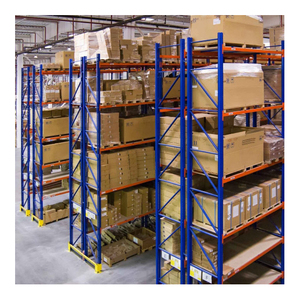 CE Certified
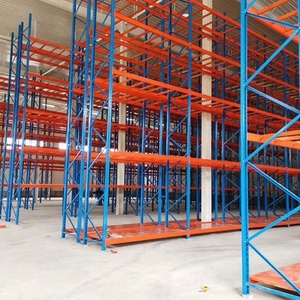 OEM / ODM Custom
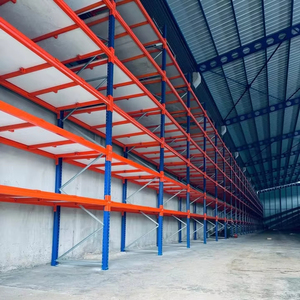 Multi-Tier Ready
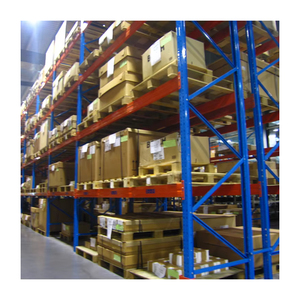 Modular Boltless
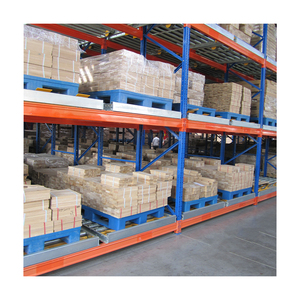 Wholesale Standard
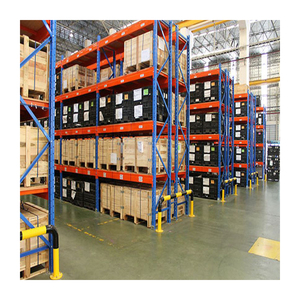 Distribution Duty
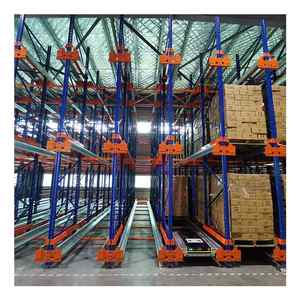 Automated FIFO / LIFO
Founded in 2001, Guangzhou Heda Shelves Co., Ltd. has established itself as an engineering-driven authority in the development, calculation, and mass fabrication of precision warehouse racking systems. Warehousing infrastructure demands uncompromising structural safety. Under finite element modeling (FEM) guidelines and international racking codes (including EN 15512 and RMI MH16.1), each upright frame and load beam must endure dynamic seismic accelerations, static vertical deflections (limiting allowable vertical deflection to under L/200), and horizontal impact shear.
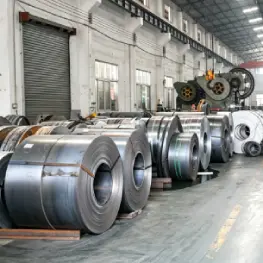
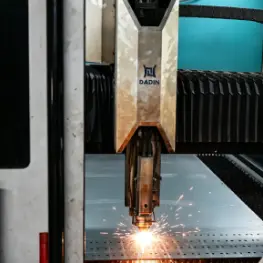
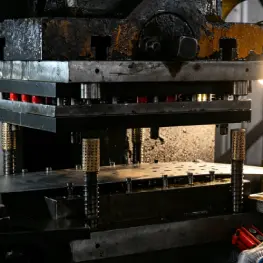
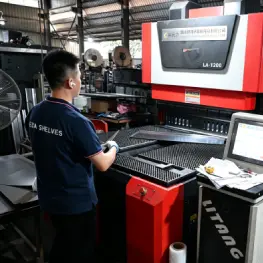
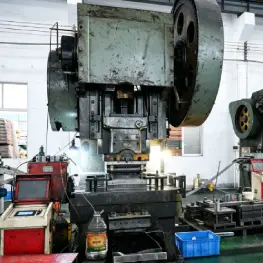
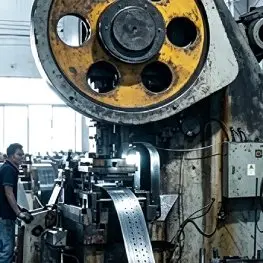
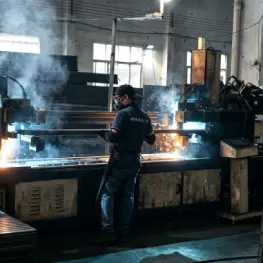
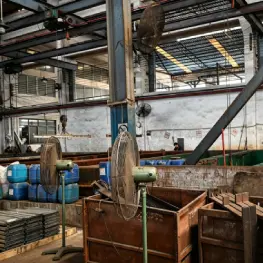
Our centralized manufacturing compound in Guangzhou spans 30,000 square meters, housing dedicated roll-forming lines, automated punching stations, laser profile trimmers, and robotic dual-torch welding clusters. By strictly sourcing certified hot-rolled and cold-rolled prime steel coils (Q235B with minimum 235 MPa yield strength and Q355B for high-stress upright columns), we control mechanical grain boundaries and eliminate micro-fissures in cold-bent profiles.
Every export component undergoes an intensive multi-phase chemical bath comprising hot alkaline degreasing, zinc phosphate micro-crystallization, and deionized water rinsing before applying architectural-grade electrostatic polyester powder coating. The resulting surface finish exceeds 500-hour neutral salt-spray ASTM B117 evaluations, mitigating corrosion in high-humidity tropical climates and high-condensation cold chain environments.
All HEDA racking systems are certified under official CE structural execution declarations (Certificate No. 2435-CPR-8605159) and ISO 9001:2015 quality management benchmarks (No. 18624Q00169R0M). Every project shipment includes finite load calculations, factory mill certificates, and container loading layout diagrams.
Continuous in-line monitoring from primary coil slitting to automated bundle strapping.
Global supply chain disruptions and surging real estate rentals have altered how logistics directors, EPC contractors, and multinational retailers procure warehouse racking. Traditional low-bid purchasing has pivoted to lifecycle engineering.
Modern procurement models integrate long-term asset depreciation, replacement intervals, and maintenance downtime into the initial purchase decision. Poorly stamped uprights from uncertified suppliers often buckle under accidental forklift mast bumps, causing catastrophic progressive collapse or requiring bay replacements that halt operations.
Forward-thinking supply chain directors prioritize cold-formed beam-to-column interlock connectors equipped with spring safety pins, heavy-gauge wrap-around column protectors, and factory impact-tested base plates that amortize structural life over a 15–20 year operational horizon.
Warehouse managers face volatile SKU shifts driven by omnichannel retail, micro-fulfillment, and fluctuating buffer-stock strategies. Fixed welded configurations are obsolete. Procurement officers now demand modular boltless upright configurations capable of shifting from conventional wide-aisle selective layouts to Very Narrow Aisle (VNA) or double-deep arrangements.
OEM engineering accommodates adjustable 75mm beam vertical pitch increments, enabling distribution center managers to re-profile storage elevations in response to changing pallet load heights without purchasing new upright frames.
Freight volatility highlights the strategic value of shipping port proximity. Procuring directly from our Guangzhou facility—adjacent to Nansha, Huangpu, and Shenzhen container terminals—shortens transit times across Southeast Asia, South Asia, the GCC, and Australia while lowering break-bulk shipping overhead.
Our export shipping engineering team supplies automated 3D container packing manifests that maximize shipping cube fill rates, reducing freight cost per individual pallet position by up to 28% compared to unbundled break-bulk consignments.
The intersection of industrial racking with autonomous mobile robotics (AMRs), IoT telemetry, and complex structural dynamics is redefining standard steel frameworks into integrated, intelligent logistics assets.
Static storage racks are evolving into automated high-bay hubs. Deep-lane radio shuttle runners transfer pallets inside dense channels via RF controls. Precision roll-formed profile channels maintain tight dimensional tolerances (±1.0mm per 10m run) to prevent robotic cart jamming.
Heavy distribution centers in earthquake zones are adopting strain-gauge and tilt sensor telemetries mounted directly to critical uprights. These units continuously measure structural deflection, reporting frame displacement or forklift collisions to cloud warehouse management software (WMS).
For seismic markets like Japan, the Philippines, Indonesia, and New Zealand, standard rigid baseplates are reinforced with friction-pendulum dampers or multi-axial base isolators that dissipate lateral ground accelerations, preventing beam dislodgement during Richter scale 7+ events.
Global sustainability directives require lower embodied carbon in structural steel. Our powder coatings utilize low-temperature curing resin powders and heavy-metal-free zirconium conversion coatings, achieving zero VOC emissions and lower cumulative kilowatt consumption per fabricated ton.
Clear, engineering-driven answers to structural calculations, certifications, steel metallurgy, and custom OEM manufacturing lead times.
Submit your warehouse floor dimensions, pallet load parameters, and target storage density. Our senior structural racking engineers will calculate preliminary bay loads and supply complete 2D CAD floor plans and 3D architectural layout renderings within 24–48 hours.