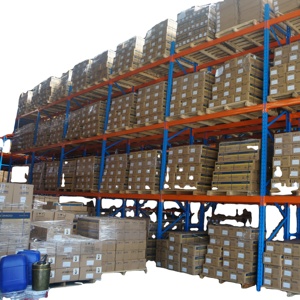
 Heavy Pallet
China Manufacturer Heavy Duty Warehouse Shelving/Storage Pallet Rack /Selective Heavy Duty Racking System
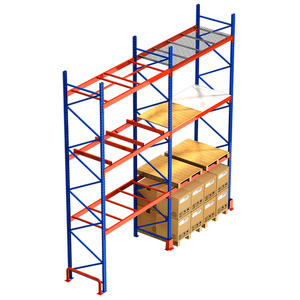
Cap: 1000–4500 kg/tier
Pitch: 50mm/75mm
100% Pallet Access
Direct factory-engineered storage racking solutions, high-density automated systems, and heavy-duty structural steel platforms manufactured to CE, ISO 9001:2015, and ANSI/RMI MH16.1 specifications.
Engineered for intense supply chain velocity, cold-storage durability, and multi-tier distribution logistics. Review our flagship wholesale racking systems engineered in Guangzhou.
Heavy Pallet
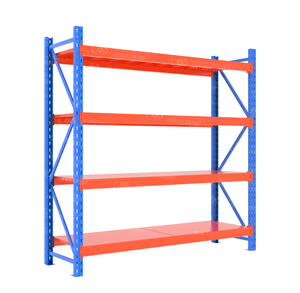 Multi-Tier Steel
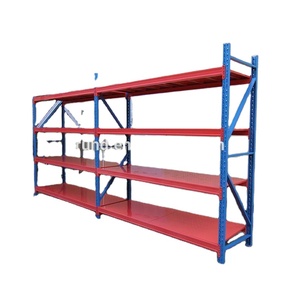 Stacking Series
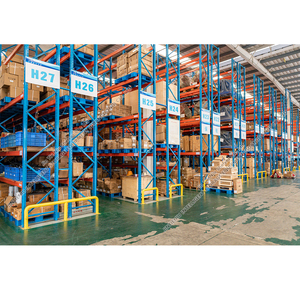 Heavy Picking
 AGV & Robotics
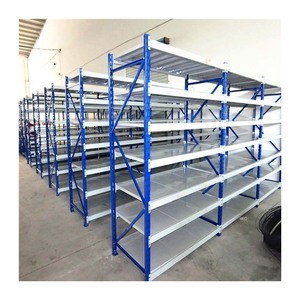 Boltless Quick-Fit
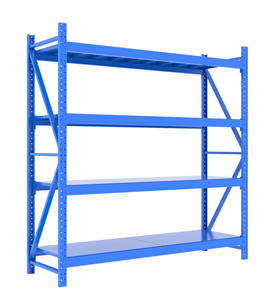 Commercial Grade
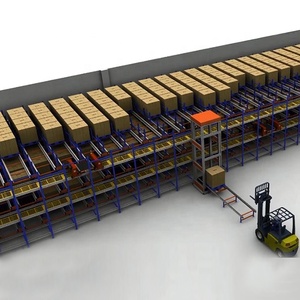 Automated Shuttle
Selecting the appropriate industrial storage rack supplier is not merely an equipment purchase—it is a decades-long capital expenditure directly impacting volumetric throughput, worker safety, structural longevity, and seismic resilience. As international logistics real estate values surge across Southeast Asia, North America, Europe, and the Middle East, procuring enterprise-grade warehouse racking systems directly from qualified Chinese original equipment manufacturers (OEMs) offers unprecedented cost efficiencies, provided structural engineering benchmarks are stringently validated.
Modern industrial storage systems depend strictly on the mechanical properties of structural steel coils. Guangzhou Heda Shelves utilizes certified high-tensile Q235B and Q355B (equivalent to ASTM A36 and ASTM A572 Grade 50) cold-rolled structural steel. In heavy selective pallet racking, beam deflection under maximum allowable working load (MAWL) must never exceed L/200 in accordance with RMI MH16.1 and EN 15512 international standards. For semi-automated installations integrating Autonomous Mobile Robots (AMRs) or pallet shuttles, tighter beam deflection criteria of L/300 to L/400 are enforced to maintain optical guide sensor alignment.
Upright frames endure complex axial compressive forces combined with continuous torsional moments. The precise profile geometry—specifically the multi-bend omega (Ω) design cold-formed along automated roll-forming lines—amplifies moment of inertia without increasing unnecessary tare weight. Automatic continuous CNC punch presses maintain slot tolerances within ±0.1mm, ensuring positive beam connector engagement and preventing dynamic dislodgement caused by forklift impact.
| Racking Architecture | Space Utilization Ratio | Selectivity (%) | Typical Load Capacity | Ideal Industry Applications |
|---|---|---|---|---|
| Selective Pallet Racking | 40% – 50% | 100% Direct Access | 1,000 – 4,500 kg / level | High-SKU 3PLs, Retail Fulfillment, FMCG |
| Radio Shuttle System | 80% – 88% | High Density (Lane-based) | 1,000 – 2,000 kg / pallet | Cold Storage (-25°C), Beverage, Food Processing |
| Drive-In / Drive-Through | 65% – 75% | Low (LIFO / FIFO Bulk) | 1,000 – 1,800 kg / pallet | Homogeneous Raw Materials, Seasonal Stocks |
| Rack-Supported Mezzanines | 100% – 180% (Vertical Multiplier) | 100% Manual / Pick-Cart | 300 – 1,000 kg / m² | E-commerce Piece Picking, Auto Spare Parts |
| Heavy-Duty Cantilever | Flexible Linear Space | 100% Open Access | 1,000 – 3,000 kg / arm | Steel Pipe, Aluminum Extrusions, Timber Yards |
Warehouse design is moving rapidly from static manual layouts to highly integrated, dynamic automated frameworks. Global supply chain directors are no longer purchasing steel racks solely as dead weight holders; they are procuring them as the skeletal infrastructure for automated facilities.
Standard pallet racks are increasingly upgraded with precision laser guides and sensor-reflective strips to support autonomous mobile picking robots and 4-way deep lane radio shuttles.
Regions located along active seismic fault lines (e.g., Japan, the Philippines, Indonesia, Western United States) require Finite Element Analysis (FEA) dynamic simulations and engineered base isolators.
Heavy focus on sustainable multi-stage degreasing, nano-ceramic conversion, and RoHS-compliant non-heavy-metal electrostatic powder coatings with zero VOC emissions and high abrasion resistance.
Established in 2001, Guangzhou Heda Shelves Co., Ltd. operates a premier 30,000 square meter production facility equipped with 15 fully automated continuous roll-forming lines, automated OTC robotic welding arms, and an advanced 400-meter automated continuous electrostatic powder coating conveyor system.
Official CE Certification (No. 2435-CPR-8605159) and ISO 9001:2015 quality credentials ensuring full compliance with European EN norms, Australian AS 4084 standards, and ANSI/RMI specifications.
Our team of senior warehouse layout architects develops comprehensive CAD floor layouts, clear-height clearances, and 3D architectural renderings within 24 to 48 hours for rapid design confirmation.
Strategically positioned in Guangzhou near premier deep-water shipping terminals. Custom structural dunnage, protective wrap, and computer-modeled container packing maximize cube utilization without component deformation.
Every upright column, box beam, row spacer, and wire mesh decking panel undergoes an audited ten-stage production sequence to eliminate weld porosity and coating micro-fissures.
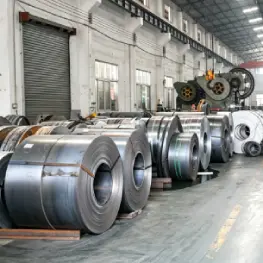 Raw Materials
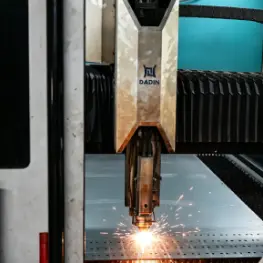 Precision Cutting
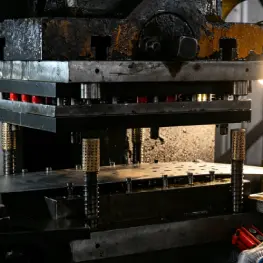 Column Punching
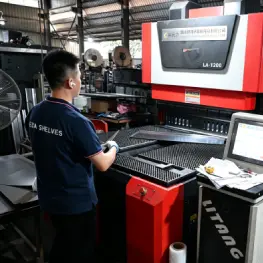 Cold Bending
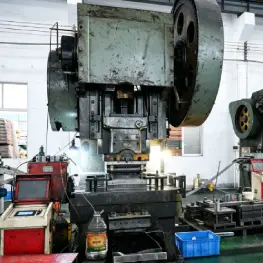 Profile Forming
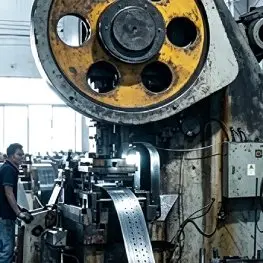 Polishing & Deburr
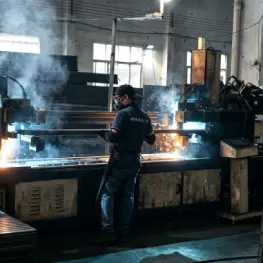 Robotic Welding
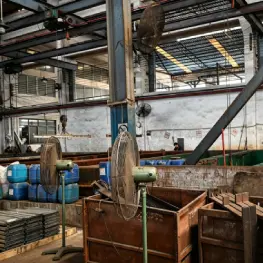 Phosphating
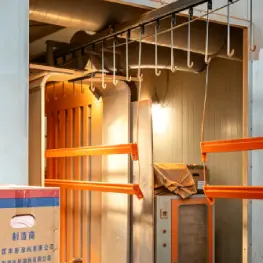 Powder Coating
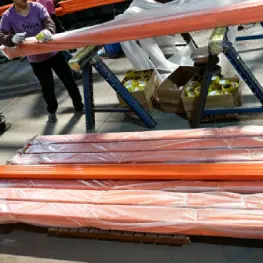 QC & Packing
Essential technical guidance, international shipping protocols, and engineering compliance parameters for supply chain decision-makers.
Connect directly with HEDA senior structural storage engineers. Receive tailored 2D floor plans, 3D renderings, and precise quotation matrices for your facility within 24 hours.