Light-Medium Logistics
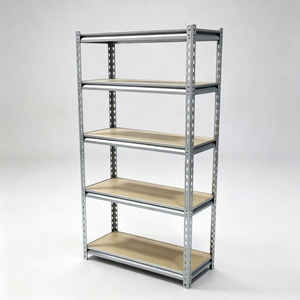
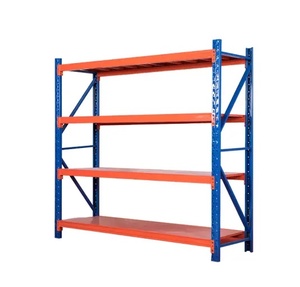
5 Tier Heavy Duty Boltless Metal Storage Rack With MDF Board
150kg/Layer
Boltless Assembly
Garage & Archive
View Specifications
Manufactured using cold-rolled Q235B structural grade steel, automated CNC punching, and anti-corrosive powder coating systems calibrated to international load specifications (EN 15512, RMI, AS4084).
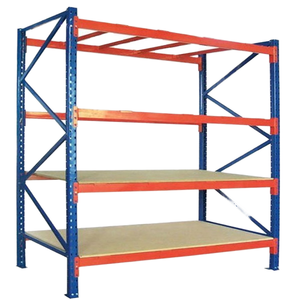
Founded in 2001 in Guangzhou, China, HEDA Shelves operates a state-of-the-art 30,000 square meter intelligent manufacturing base, delivering end-to-end structural static calculations, custom CAD floor planning, and global maritime logistics.
The structural integrity of an industrial racking installation relies on precise stress distribution, metallurgy grade enforcement, and accurate seismic response calculations.
Structural reliability starts with raw coil mechanical properties. While standard commercial shelving uses generic cold-rolled sheets, industrial heavy-duty pallet racking requires certified low-carbon structural steel (Q235B/SS400 or higher-tensile Q355B). Yield strengths of ≥235 MPa and ultimate tensile strengths up to 500 MPa prevent local plastic buckling under eccentric pallet drops.
Mill test certificates (MTC) verifying carbon, manganese, and phosphorus levels ensure high weld ductile performance across all beam end connectors, minimizing risk during peak operations.
Warehousing in active seismic zones (such as the Pacific Rim, Southeast Asia, Japan, and the Middle East) demands non-linear dynamic analysis compliant with FEMA 460 and AS4084 guidelines. Racking uprights must be paired with widened, anchor-bolted footplates designed to absorb cyclic horizontal shear without fracturing the concrete slab.
Back-to-back ties, vertical column splice reinforcements, and top-tier portal bracing are custom-calculated to eliminate torsional drift and prevent progressive progressive collapse.
With global industrial logistics rental rates rising, standard wide-aisle selective systems (3.2m to 3.8m aisles) yield only 40% volumetric efficiency. Transitioning to Narrow Aisle (VNA) designs, Push-Back dynamic carts, or Semi-Automated 4-Way Radio Shuttle tracks elevates warehouse footprint capacity up to 85%.
Our project design teams configure drive-in and shuttle channels to balance First-In-First-Out (FIFO) and First-In-Last-Out (FILO) movement without requiring floor expansion.
A look at the structural, mechanical, and digital shifts redefining international warehouse storage procurement.
Traditional static storage is adapting to automation. Procurement specifications increasingly require sub-millimeter tolerances on beam deflections, upright verticality, and runner flatness to accommodate Autonomous Mobile Robots (AMRs), automated pallet shuttles, and cranes. Factory-welded guide rails and robotic pallet positioners ensure reliable machine vision navigation and safe automated placement.
Cold-chain facilities, high-humidity coastal hubs, and corrosive chemical storage need durable finishes. The market is shifting from standard powder coats toward multi-stage non-phosphate nano-ceramic pre-treatments, as well as high-adhesion hot-dip galvanizing (HDG compliant with ASTM A123). These systems resist salt-spray corrosion for over 1,000 hours, keeping steel protected even in sub-zero freezers.
Global supply chains are placing tighter scrutiny on Scope 3 emissions. Racking engineering is moving toward standardized teardrop, Omega-punch, and 50mm/75mm pitch profiles that can be disassembled, repurposed, or expanded without on-site cutting or welding. By pairing lightweight, high-yield steel alloys with lean container loading designs, shippers can lower freight footprints and cut carbon output per pallet position.
Combining heavy engineering capability with full-scope export support to keep overseas racking projects on schedule and fully compliant.
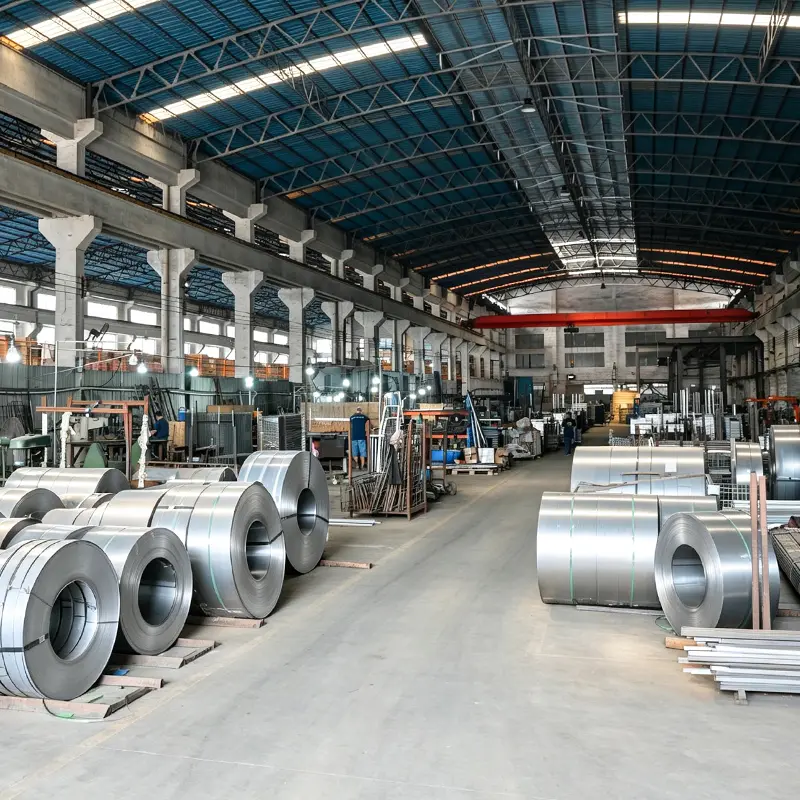
Decades of intralogistics manufacturing allow our design team to catch building, column, and sprinkler conflicts in the initial CAD phase, well before fabrication starts.
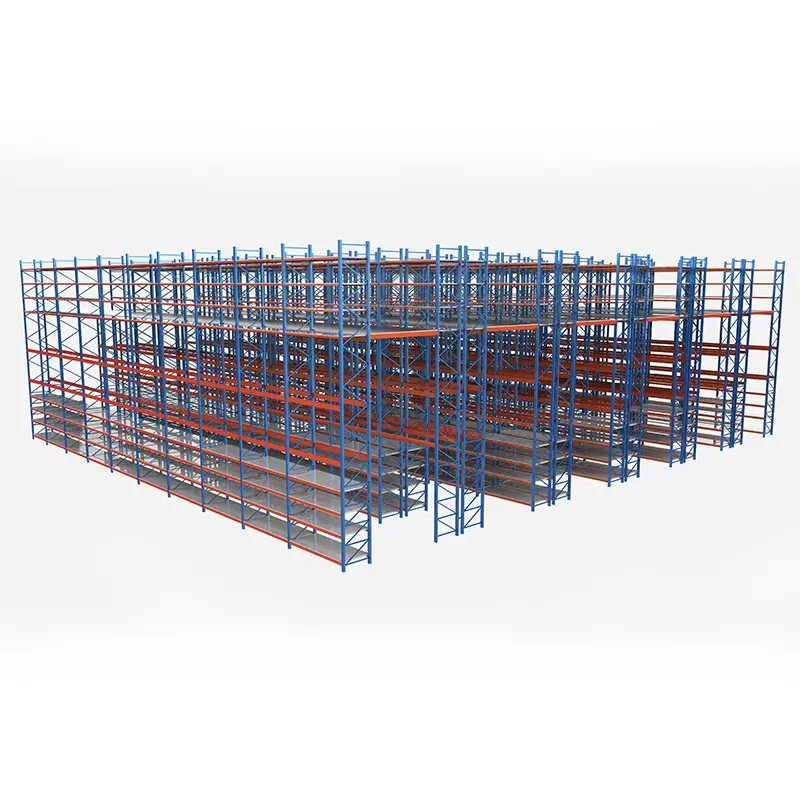
We supply complimentary CAD layout drawings, 3D system renderings, and structural loading checks within 24 to 48 hours to help clients verify floor plans before signing contracts.
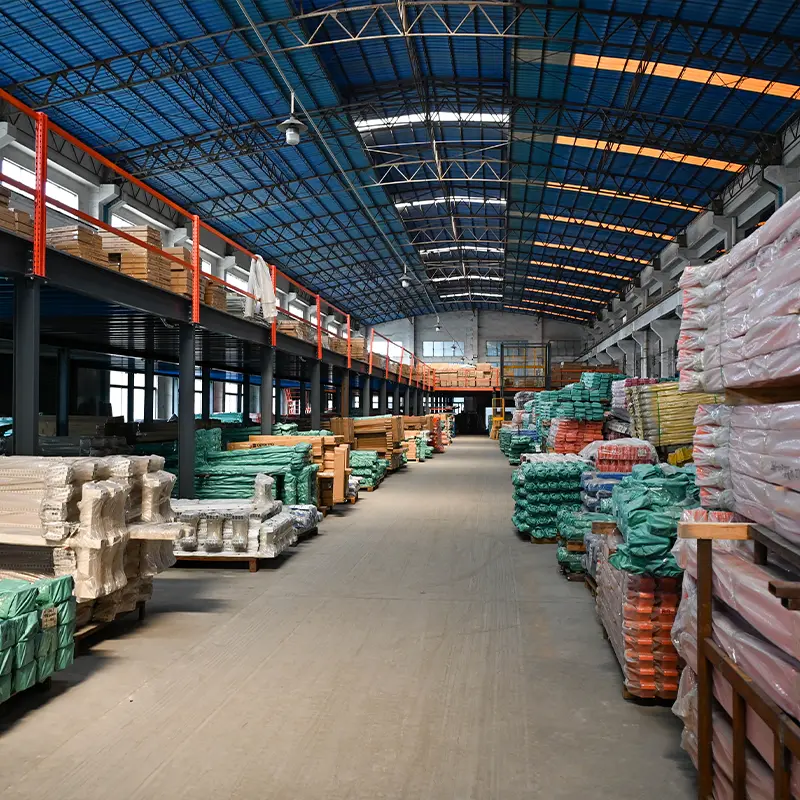
Our products are certified under CE No. 2435-CPR-8605159 and ISO 9001:2015. Every batch undergoes mechanical tensile, weld penetration, and coating adhesion testing.
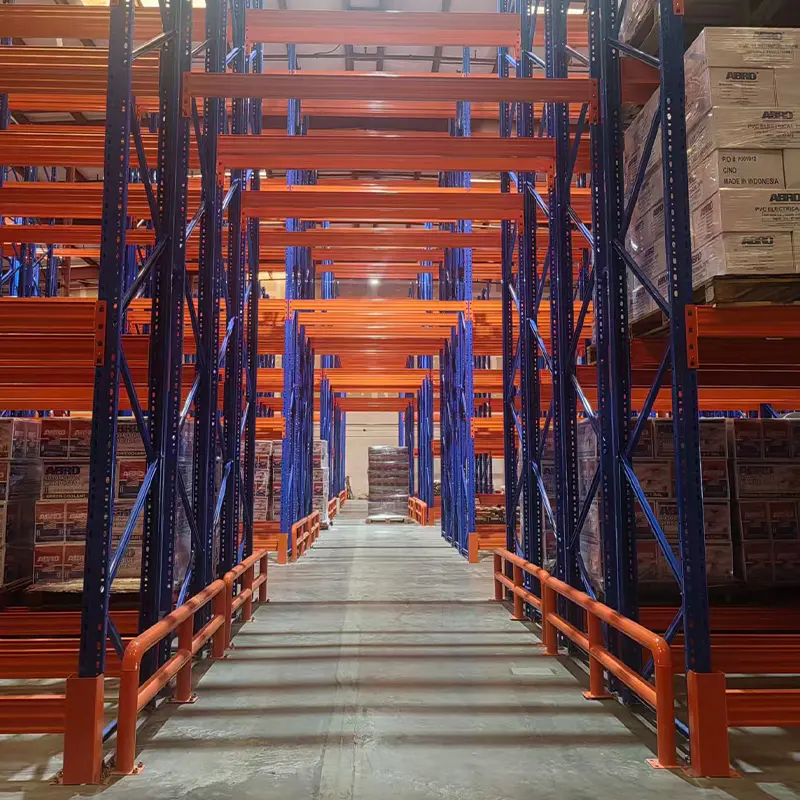
We provide full customization across upright sections, beam connector styles, electrostatic powder finishes, and private labelling for distributors and system integrators worldwide.
Certified Q235B/Q355B strip checking for thickness tolerances.
High-precision uncoiling and laser edge trimming.
Automated hole patterns: teardrop, butterfly, diamond.
Multi-station continuous cold roll forming mills.
Automated interlocking dual-C profile robotic seam welding.
End connector precision multi-point weldments.
Acid pickling, degreasing, and phosphating dip line.
Electrostatic spray guns with thermo-curing at 200°C.
Deflection load tests, cross-cut adhesion, and micrometers.
Steel strap bundling, cardboard corner protection, seaworthy packs.
Essential guidance on structural calculations, fire safety compliance, shipping load optimization, and overseas project delivery.
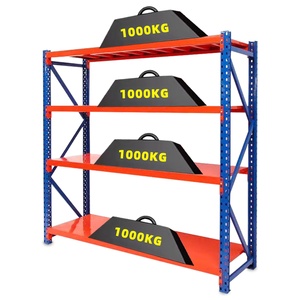
Beam load ratings are verified in accordance with EN 15512 and RMI standards, based on uniformly distributed loads (UDL) with a safety factor of 1.5. Beam deflection is strictly kept within L/200 (or L/300 for sensitive automated systems). Upright capacities are calculated using non-linear finite element models that account for clear bay heights, seismic coefficients, and baseplate anchoring to the warehouse slab.
Proper sprinkler coverage requires unobstructed vertical flue spaces. In back-to-back selective racking, we design longitudinal flue spaces of 150mm–200mm, alongside transverse flue spaces between pallets. For deep-lane storage, our teams integrate open wire mesh decking with over 50% open area, allowing overhead sprinkler water to penetrate lower storage tiers effectively.
Uprights are nested and secured with reinforced steel banding, edge guards, and vapor-barrier wrap to prevent shift and ocean moisture during transit. Beams are stacked in custom wood or metal cribs configured for forklift unloading. Every 40ft high-cube (40HC) container is planned with 3D software to maximize cubic fill and protect components from transit damage.
For every engineered system, we supply comprehensive CAD architectural layouts, elevations, beam-to-column connection calculations, certified raw material test reports (MTC), and official CE / ISO quality certificates. When local regulations require it, our structural team can also coordinate calculation packages with certified local third-party structural engineers.
Each delivery includes component numbering schemes matched to detailed 3D installation blueprints and torque-specification sheets for anchor bolts. On larger distribution and multi-tier mezzanine projects, we offer on-site supervisor dispatch or live video technical guidance to assist local mechanical crews and ensure the build adheres to approved tolerances.
To help us build your CAD layout and proposal, please share: (1) warehouse architectural drawings showing clear heights and column grids, (2) pallet footprint and maximum load weights, (3) forklift make, mast lift height, and minimum turning radius, and (4) planned SKU profile and daily material turnover targets.