Industrial Dynamic Roller Racks & Storage Systems
Precision cold-formed high-tensile steel systems, engineered to increase SKU throughput, streamline FIFO operations, and eliminate picking bottlenecks.
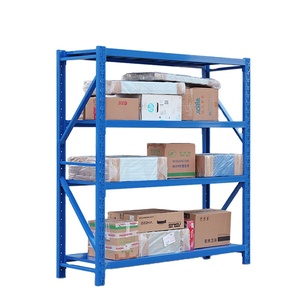
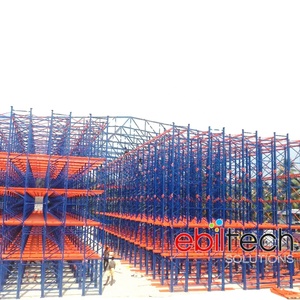
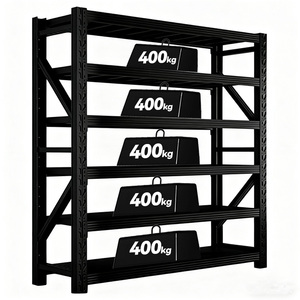
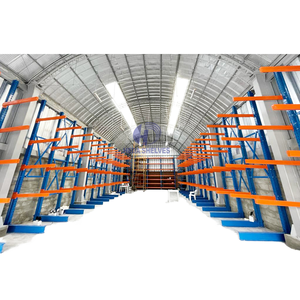
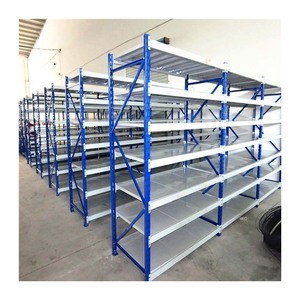
Precision Manufacturing & Global Compliance Infrastructure
Operating from our high-capacity production facility in Guangzhou since 2001, we deliver certified structural engineering backed by verifiable testing protocols.
Strict Certified Quality
Fully compliant with European standard EN 15512:2020, holding CE Certification No. 2435-CPR-8605159 and ISO 9001:2015 accreditation (No. 18624Q00169R0M) for mission-critical warehouse reliability.
End-to-End In-House Control
Complete 10-step precision workflow under one roof: automated CNC profiling, column punching, robotic seam welding, chemical pickling and phosphating, and heavy-duty electrostatic powder coating.
Custom 3D CAD & Load Verification
Rapid engineering delivery providing parametric 2D floor plans, 3D dynamic simulations, and full finite element load check reports within 24 to 48 hours for permit compliance.
Climate-Resilient Engineering
Formulated specifically for harsh environments: seismic zone bracing design, high-humidity corrosion protection, hot-dip galvanization for cold chain, and container space optimization.
Structural Dynamics of Gravity Roller Racks: Engineering Principles
In high-velocity warehouse environments, Warehouse Roller Racks—commonly classified into heavy pallet flow systems and carton flow systems—function as gravity-fed dynamic accumulators. Unlike conventional static pallet racking, gravity roller beds rely on an engineered decline angle (typically 2.5% to 4% gradient) combined with precision roller tracks to transport loads from the charging (loading) aisle to the discharging (picking) face via pure kinetic force.
Achieving stable movement without runaway acceleration requires calculating the dynamic coefficient of rolling friction ($\mu_r$) across varying operational ambient conditions, pallet board deviations, and load profiles. For pallet roller racks handling metric loads from 500 kg up to 1,500 kg per lane, our systems integrate centrifugal brake rollers calibrated to govern linear velocity beneath 0.3 m/s. This mechanical governing protects personnel at the picking threshold, mitigates impact stresses across upright upright profiles, and eliminates pallet wedging within the lanes.
| Structural Criteria | Carton Flow Dynamic Racks | Heavy Pallet Flow (Roller Racks) | Automated Clad-Rack Systems |
|---|---|---|---|
| Primary Handling Unit | Plastic totes, cardboard cartons, bins | GMA, Euro (EPAL), and industrial skids | Heavy industrial unit loads, bulk pallets |
| Standard Load Capacity | 10 kg to 50 kg per lane level | 500 kg to 1,800 kg per pallet position | Up to 2,500 kg per storage cell |
| Gradient Inclination Angle | 3.0% – 5.5% (adjustable track clips) | 2.8% – 3.5% (calibrated pitch) | Engineered static/dynamic crane tolerance |
| Flow Braking Mechanism | Polycarbonate guide drop brakes | Centrifugal friction governor rollers | ASRS digital position deceleration |
| Stock Rotation Logic | Strict FIFO (First-In, First-Out) | Strict FIFO (First-In, First-Out) | Dynamic WMS Automated (FIFO/LIFO) |
For fulfillment managers seeking maximum density, gravity roller racks condense warehouse footprints by collapsing cross-aisles into continuous storage blocks. By segregating replenishment traffic from picking workflows, throughput velocity increases by up to 45% compared to conventional selective racking setups.
Future Procurement Trends in Warehouse Dynamic Racking (2025–2030)
The global material handling procurement landscape is undergoing fundamental structural shifts driven by SKU proliferation, omnichannel order profiles, labor shortages, and rising industrial leasing rates. Supply chain executives must align racking procurement strategies with these core industry developments:
1. Modularity for AMR/AGV Interoperability
Modern roller rack specifications are rapidly transitioning from manual offload configurations to hybrid robotic integration. Discharge faces now incorporate cantilevered roller beds and zero-pressure safety stops designed specifically for Autonomous Mobile Robot (AMR) end-effectors.
2. Carbon-Neutral Cold-Formed Steel Sourcing
With ESG disclosure requirements tightening across Europe and the GCC, engineering tenders increasingly require verified Environmental Product Declarations (EPDs). Sourcing high-tensile Q235B and Q355B cold-rolled profiles reduces steel tonnage while maintaining structural load deflection safety margins.
3. Sensorized Condition Monitoring
Procurement contracts increasingly specify IoT sensor mounts directly on upright footings and safety separators. Real-time seismic vibration sensors, kinetic load transducers, and impact monitors detect structural shifts before operational integrity is compromised.
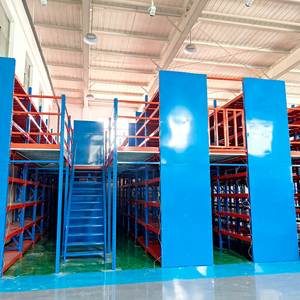
As warehouse developers address high land lease premiums in strategic hubs such as Singapore, Dubai, and Rotterdam, high-density clad-rack buildings and rack-supported mezzanines continue to replace low-density single-level warehouse layouts.
Technological Evolution: From Static Shelves to Intelligent Gravity Flow
Dynamic storage systems have evolved beyond conventional static beams through key engineering breakthroughs in mechanical design and metallurgical protection:
- Split-Roller Architecture: Dual-flanged, high-impact polycarbonate rollers eliminate track friction for fragile and uneven corrugated cartons.
- Mechanical Zero-Pressure Separators: Automated front-pallet isolators hold back trailing weight, ensuring easy manual pallet jack removal.
- High-Performance Dual Surface Treatment: Pickling, phosphating, and 80–120μm electrostatic epoxy powder finish resist abrasive wear across damp storage zones.
- Non-Deforming Cold Bend Sections: Continuous multi-station roll-forming lines guarantee uniform beam and column wall thickness down to ±0.05 mm tolerances.
This technical trajectory provides warehouse operators with long equipment lifecycles, low maintenance costs, and operational reliability across high-turnover fulfillment centers.
Frequently Asked Questions: Warehouse Roller Racks
Detailed technical and commercial answers provided by our engineering and logistics specialists.
What technical criteria determine the choice between dynamic roller racks and static selective racks?
How do your engineering factories prevent pallet hang-ups and line crushing on long gravity beds?
Which European and international standards apply to CE-certified roller racks?
Can roller rack systems operate reliably inside sub-zero cold chain facilities?
What structural data must a buyer provide to receive an engineered layout and calculation report?
Optimize Your Distribution Facility With CE Certified Racking
Connect with our technical design team for a complete warehouse audit, custom CAD layout, structural capacity validation, and direct factory pricing.
Get Catalog